
Magnetic Particle Inspection (MPI) Services
Need accurate, fast defect detection in ferrous components? Elements Magnetic Particle Inspection (MPI) services offer expert evaluation of defect origins and causes. With on-site and lab testing, portable equipment, and industry-leading approvals, we help you maintain compliance, minimize delays, and ensure quality—wherever you need testing.
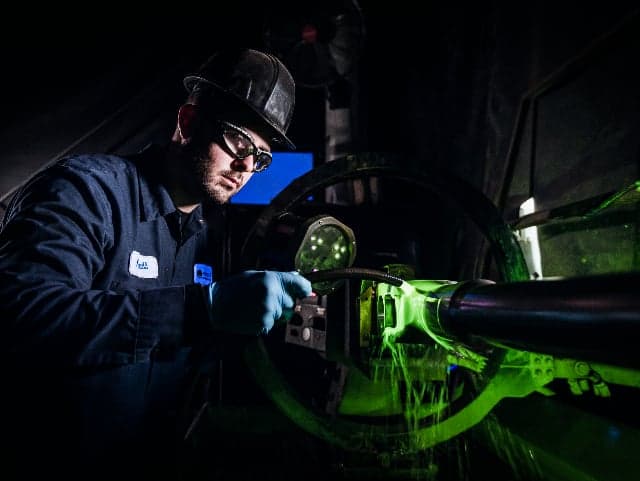
What is Magnetic Particle Inspection at Element?
MPI (also known as MPT, magnetic particle testing) is a non-destructive testing method that detects surface and near-surface discontinuities in ferrous materials by creating a magnetic field and applying iron particles to identify defects. Our experts determine both the origin and cause of defects, providing precise evaluations critical for quality assurance.
At Element, we provide comprehensive MPI services both on-site and in our state-of-the-art laboratories, using advanced equipment and expert analysis to ensure your components meet the highest quality standards.
What Can Element Offer You for Magnetic Particle Inspection?
Key Tests Offered
Key Tests Offered
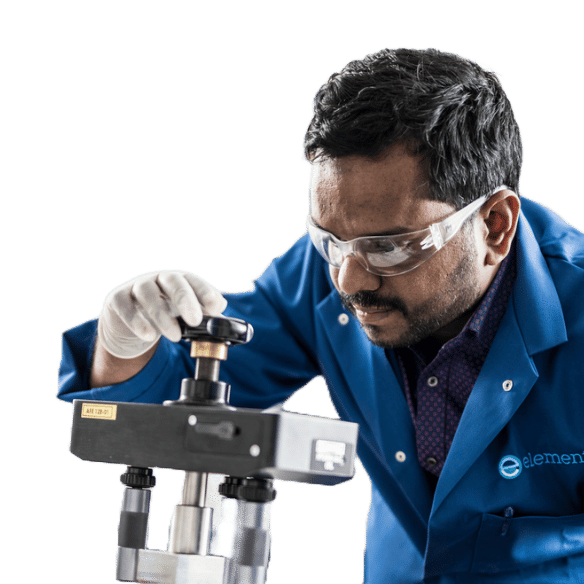
Our expert inspectors evaluate surface and near-surface discontinuities, determining both the origin and cause of defects. We provide detailed analysis of flaw characteristics, helping you understand the implications for your components' integrity and performance.
Components And Products We Test
Components And Products We Test
We test virtually any ferrous material containing iron, nickel, cobalt, and their alloys. Our facilities accommodate components up to 12,000 pounds and 144 inches in length, ensuring comprehensive testing regardless of your component size or complexity.
Methods And Solutions Offered
Methods And Solutions Offered
We offer both wet and dry testing methods, adapting our approach to your specific needs. Our multi-directional testing capabilities ensure thorough inspection coverage, while our flexible service delivery includes both laboratory and on-site testing options.
Cutting-Edge Equipment We Use
Cutting-Edge Equipment We Use
- Magna-tech GB 3568A: A multi-directional stationary mag machine featuring a 100-inch bed, 12,000-pound capacity, and advanced inspection capabilities. Reduces handling requirements, decreasing lead times and increasing productivity.
- Magnaflux ARQ-1446: 144-inch bed capacity, designed for exceptionally long specimens.
- Portable hand-held yokes, prods, and cables: Allow for on-site inspections of larger and more complex components.
Standards we test to and materials we test
American Metal Society
- AMS 2300
- AMS2301
- AMS 2303
- AMS 2442
- AMS 2640
American Petroleum Institute
- API 1104
American Society of Mechanical Engineers
- ASME Section V
- ASME Section VIII
- ANSI/ASME B31.3
American Society for Non-Destructive Testing
- NDT 2
- NDT 3
ASTM International
- ASTM A275
- ASTM E45 (Method A)
- ASTM E709
- ASTM E1444
American Welding Society
- AWS D1.1
Deutsches Institut fur Normung E.V.
- DIN EN 10228-1
- DIN EN 1369
- DIN EN ISO 10893-5
- DIN EN ISO 17638
- DIN EN ISO 9934-1
- EN 1369
- EN ISO 9934-1
Military Specification
- MIL-I-6868
- MIL-STD-1907
- MIL-STD-1949
- MIL-STD-271
- MIL-STD-68E
National Aerospace Standard
- NAS410
Society of Automotive Engineers
- SAE J420
Various Customer Approvals
- Boeing
- Bombardier
- Douglas
- Eaton
- GE
- Hamilton Sunstrand
- Honeywell
- Lockheed Martin
- Northrop Grumman
- Rolls Royce
- Sikorsky
Ferrous materials
- Nickel
- Iron
- Cobalt
- Some alloys – contact us for more specifics
Components
- Billets
- Bars
- Castings
- Extrusions
- Forgings
- Fasteners
- Weldments
Your Challenges, Our Solutions

Ensuring Reliable Defect Detection
Minimizing Inspection Delays
Testing Large or Complex Components
Meeting Compliance and Certification Needs
Why Choose Element?
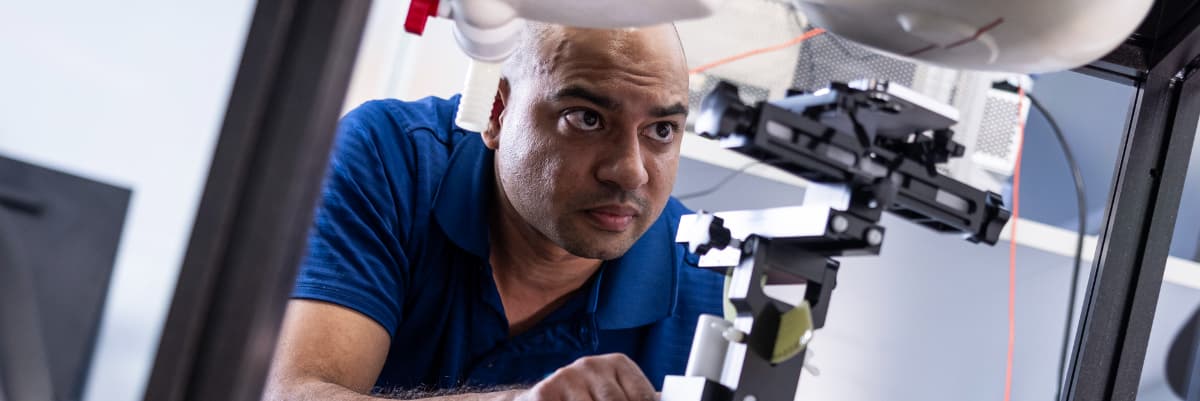
Advanced Testing Equipment
Global Expertise
Industry-Leading Approvals
Expert Defect Analysis
5,500+ Amps
12,000lbs Maximum component weight capacity.
144 inches Longest specimen bed length available.
50%faster
Frequently asked questions
What types of defects can MPI detect?
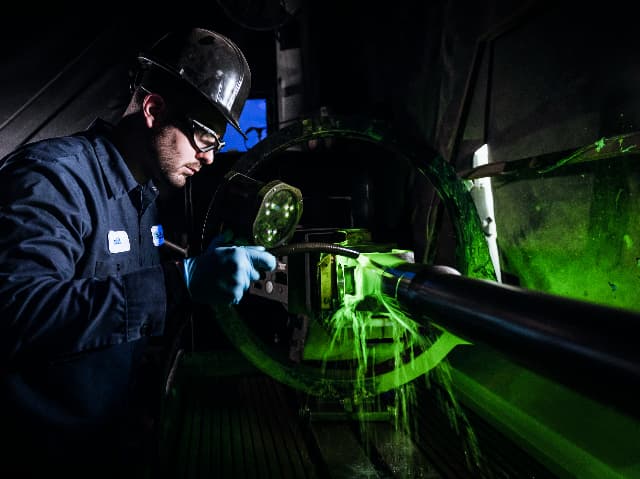
MPI detects both surface and near-surface discontinuities in ferrous materials. When a magnetic field is applied, ferrous particles gather around flaws to form visible "indications" that our experts evaluate.
Do you offer on-site testing?
Yes, we provide both laboratory and on-site testing using portable hand-held yokes, prods and cables for larger components.
How does magnetic particle inspection work?
The process involves electrically charging your component to create a magnetic field, then applying ferrous iron particles either dry or in wet suspension. If defects are present, particles gather around the flaw creating visible "indications" that our experts analyze to determine characteristics and cause.

Explore our global network of labs and find your nearest location
VIEW ALL LOCATIONSRelated services
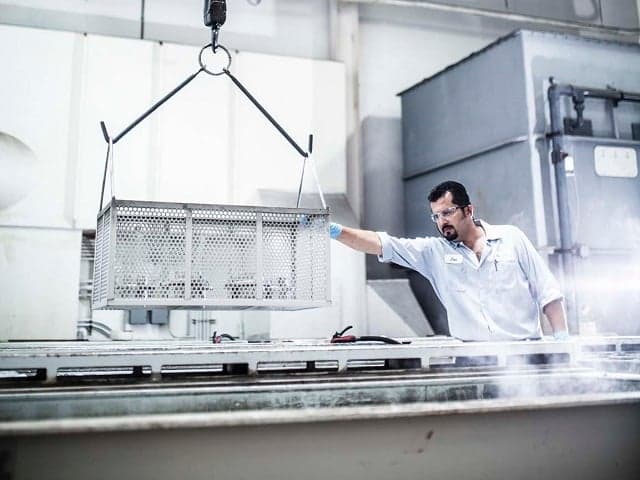
Chemical Etching Services
Element’s chemical etching services detect hidden defects, refine material surfaces, and prepare samples for advanced testing. Trusted for precise, non-destructive analysis - save time and cost by uncovering imperfections before NDT or mechanical testing.
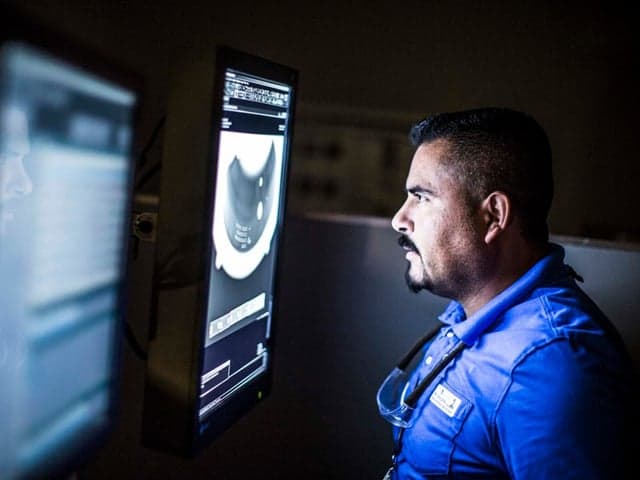
Non-Destructive Testing (NDT) and Inspection Services
Get precise, reliable non-destructive testing (NDT) to detect flaws, verify material integrity, and meet industry standards, saving time and reducing risk. View services.
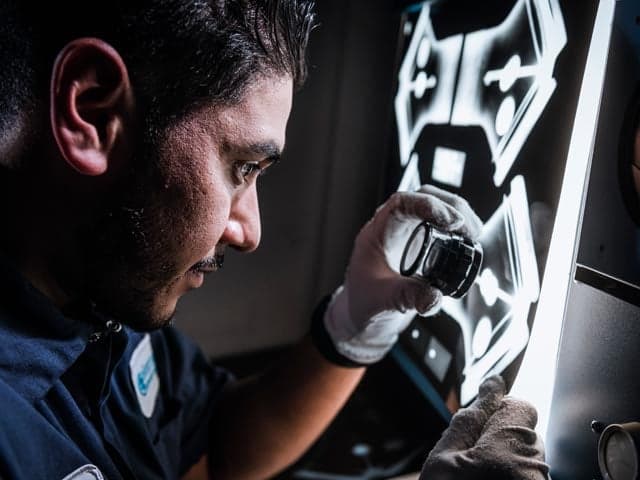
Radiographic Testing (RT) and Inspection Services
Element provides radiographic testing and inspection services to detect hidden defects in critical components. Our advanced NDT methods meet industry standards, ensuring compliance, efficiency, and reliable quality verification.
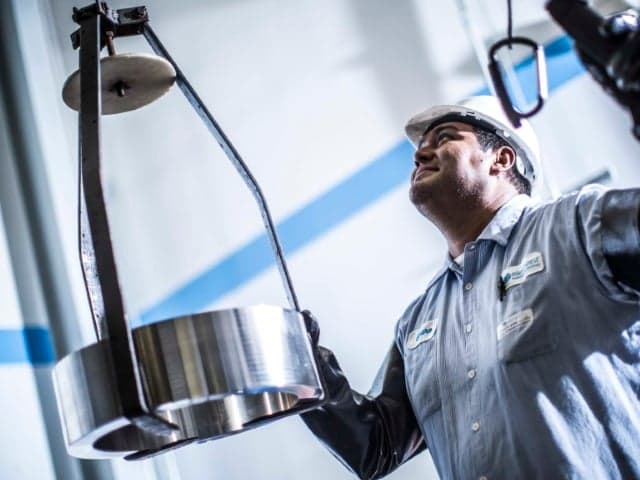
Ultrasonic Testing (UT) Services
Detect hidden defects with Element's ultrasonic testing services. Our expert teams provide both contact and immersion UT inspection to verify component integrity, meet standards, and prevent failures.
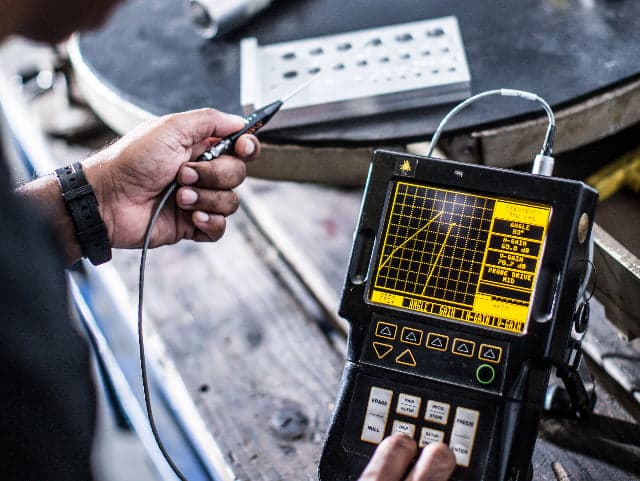
Eddy Current Inspection
Eddy current inspection delivers precise non-destructive testing for metallic structures, including heat exchangers and aircraft parts. Detect flaws and ensure quality with Element's advanced testing solutions.
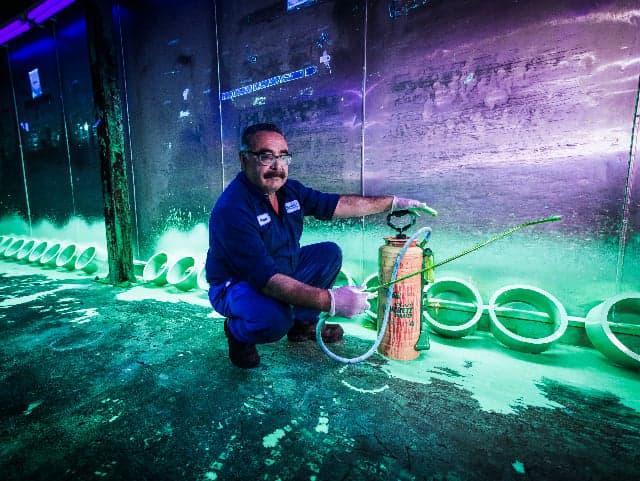
Liquid Penetrant Inspection (LPI)
Element's liquid penetrant inspection identifies surface flaws with precision. Our experts provide reliable, cost-effective testing for aerospace, nuclear, and commercial applications, delivering accurate results to support compliance and quality assurance.