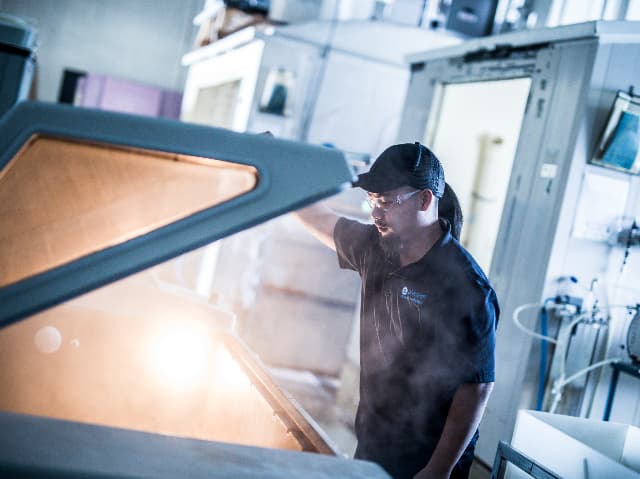
ASTM E595 Outgassing Testing Services
Ensure your spacecraft materials meet NASA and ESA standards with Element’s ASTM E595 outgassing testing. We provide fast turnaround, hands-on technical guidance, and comprehensive data on TML and CVCM to help you select the right polymers and components. Prevent condensation-related failures and gain confidence that your mission-critical parts will perform in extreme vacuum conditions.
What is outgassing testing at Element?
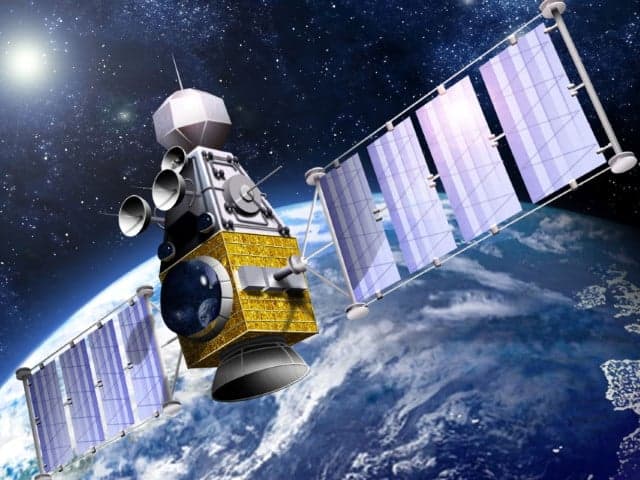
Outgassing occurs when gases and vapors release from materials at above-ambient temperatures under vacuum. At Element, we conduct standardized ASTM E595 testing by exposing materials to 125°C and a vacuum force up to 5 x 10^-5 torr for 24 hours, then weighing both test specimens and condensing plates to measure Total Mass Loss (TML) and Collected Volatile Condensable Materials (CVCM). This ensures your materials meet NASA and ESA guidelines for space applications.
What can Element offer you for ASTM E595 outgassing testing?

Components and materials we test
Components and materials we test
We test critical spacecraft materials like polymers, elastomers, and sensitive electronic or navigational components. Our hands-on technical guidance helps you with material selection by identifying potential outgassing issues before components are deployed, reducing the risk of failure in orbit.
Key tests offered
Key tests offered
- Total Mass Loss (TML) measurement
- Collected Volatile Condensable Materials (CVCM) analysis
- Thermal properties assessment
- 24-hour vacuum exposure testing
- Testing at 125°C
- Vacuum force up to 5 x 10^-5 torr
Methods and solutions offered
Methods and solutions offered
Our integrated approach uses a thermal vacuum chamber to measure mass loss and condensable volatiles. We provide detailed interpretation of TML and CVCM data so you can make informed decisions on material compatibility and compliance with NASA and ESA standards. This helps prevent condensation-related damage to mission-critical equipment.
Cutting-edge equipment we use
Cutting-edge equipment we use
We leverage specialized thermal vacuum systems to replicate extreme space conditions. Our experts remain at the forefront of new technologies and practices, ensuring the most accurate and fast turnaround testing possible to keep your project timelines on track.
Which labs offer this service?
Which labs offer this service?
Our team operates from aerospace industry hubs around the world, giving you convenient access to our specialized outgassing testing. Find your nearest Materials Testing hub on our Locations Page.
Outgassing Project Checklist
Complete this checklist to get your project details ready for a faster quote.
Standards we meet and the materials we test
- Polymers and elastomers
- Spacecraft components
- Sensors
- Electronics
- Navigation equipment
Your Challenges, Our Solutions
Equipment Failure Prevention
Regulatory Compliance Assurance
Material Selection Confidence
Complex Testing Requirements
But don't just take our word for it
See what others have to say about partnering with Element...
Why Choose Element
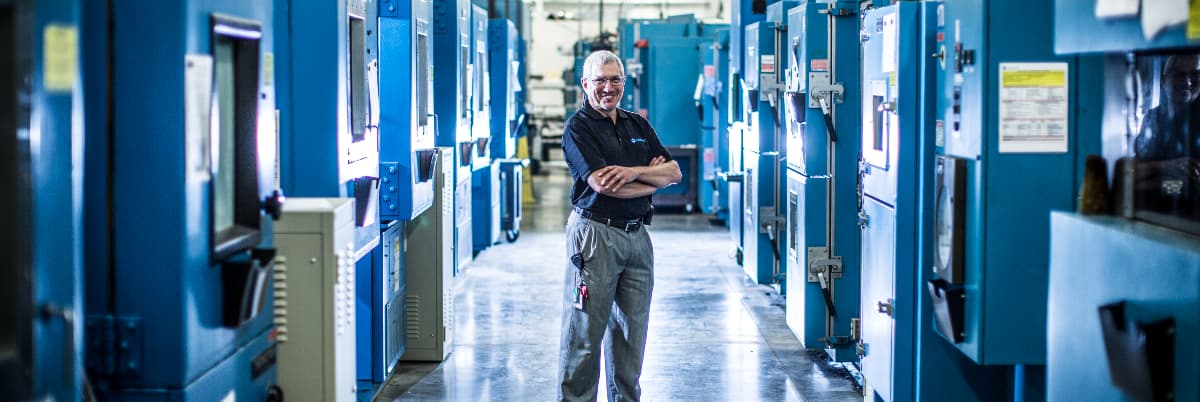
Global Testing Network
Space Industry Expertise
Comprehensive Solutions
Customer-Focused Service
Frequently asked questions
What temperatures and conditions are used in ASTM E595 testing?
Testing is conducted at 125°C with vacuum force up to 5 x 10^-5 torr for a 24-hour duration.
How is outgassing measured during ASTM E595 testing?
After the 24-hour exposure, we weigh both test specimens and condensing plates to calculate Total Mass Loss (TML) and Collected Volatile Condensable Materials (CVCM).
5x10^-5 torrIndustry-standard vacuum force capability
125°CPrecise temperature testing conditions
190+ yearsMaking certain in materials testing
8,500+ expertsGlobal team of engaged testing professionals