
Hail Impact Testing
Protect your critical products from devastating hail damage with our comprehensive impact testing. Using advanced air cannons with both simulated and actual hail (0.5"-2.75" diameter at speeds up to Mach 0.9), we verify your product's resistance to real-world conditions, ensuring safety compliance and preventing costly failures across aerospace, automotive, and building applications.
What is Hail Impact Testing at Element?
Hail impact testing helps protect life and property during storms by simulating real-world conditions in controlled laboratory settings. It evaluates how materials and assemblies withstand high-velocity ice impacts, enabling validation of structural integrity, surface durability, and functional performance. Although aerospace technology allows aircraft to avoid many hazards, hail strikes still cause millions in damage each year.
At Element, we provide comprehensive qualification testing using advanced air cannon technology with simulated and actual hail to deliver accurate, reliable results that support compliance, reduce risk, and protect against costly damage across aerospace, automotive, and building applications.
What Can Element Offer You For Hail Impact Testing?

Products we test
Products we test
Our specialized testing facilities support a diverse range of products vulnerable to hail damage. From critical aerospace components to automotive exteriors, roofing systems, and agricultural equipment, we deliver comprehensive performance data on how your products withstand various hail impact scenarios. Our testing programs are tailored to your specific product requirements while meeting industry standards and contractual obligations.
- Aircraft components and systems
- Roofing materials and assemblies
- Automotive exteriors and finishes
- Agricultural equipment and protective structures
- Building envelope materials and systems
Key tests offered
Key tests offered
Our hail impact testing portfolio addresses your comprehensive qualification needs across multiple scenarios and specifications. We conduct precise impact analysis using controlled velocity testing, multiple impact point evaluation, and post-impact assessment to determine structural integrity, deformation patterns, and functional performance. Our experts design custom test sequences that accurately represent real-world conditions your products will face.
- Variable size hail impact testing (0.5" to 2.75" diameter)
- High-velocity impact testing (up to Mach 0.9)
- Multiple impact point evaluation
- Post-impact structural integrity assessment
- Environmental condition combination testing
Industry expertise you can trust
Our hail impact testing experts bring deep industry knowledge to your testing program, helping you navigate complex certification requirements and product qualification challenges. Our experts can help you develop a hail impact testing program that best suits your products. Our labs, including Element Jupiter with over a 30-year track record of challenging engineering projects for key Prime partners, have the capacity and expertise to design programs that meet your contractual requirements while staying on time, and on budget. For hail impact testing projects that require additional test methods, our labs are a single-source provider for virtually all major environmental testing types.
Methods and solutions offered
Methods and solutions offered
We offer comprehensive hail testing for all applications. For safety and quality reasons, the hail impact testing program is an integral piece of product qualification programs. We customize your hail impact testing program to align perfectly with your product's specific requirements and usage environment. Our testing methodology incorporates precise calibration of impact velocities, strategic positioning of impact points, and comprehensive post-impact analysis. We document testing with detailed reporting that includes high-resolution imaging and data analysis to support your certification and product development needs.
- Custom test program development
- Precision air cannon delivery systems
- Multi-dimensional impact analysis
- Detailed reporting with high-resolution imaging
- Combined environmental testing sequences
- Comparative analysis against industry benchmarks
Cutting-edge equipment we use
Cutting-edge equipment we use
Element uses air cannons that utilize both simulated and actual hail, for the most accurate results. Sizes range from 0.5 inch to 2.75 inches in diameter and velocities up to Mach 0.9. Our lab tests a wide range of equipment types, from aircraft components to agricultural products.
Our state-of-the-art air cannon technology delivers unmatched precision in hail impact simulation. These advanced systems accurately control hail size, velocity, and impact angle to create realistic testing conditions that precisely mirror real-world scenarios. Our facilities can simulate impacts with velocities reaching Mach 0.9 with various hail sizes, providing you with reliable data on how your products perform under extreme conditions.
- Precision-controlled air cannons
- High-velocity impact simulation systems
- Multi-size hail simulators (0.5" to 2.75" diameter)
- Advanced imaging and data acquisition systems
- Environmental chambers for combination testing
Which labs offer this service
Which labs offer this service
Standards we meet and the materials we test
- Aerospace industry specifications
-
FAA and EASA certification requirements for aircraft structures
-
RTCA DO-160 environmental exposure criteria
-
SAE aerospace specifications
-
- Building material and roofing standards
-
FM Global certification requirements
-
- Automotive impact resistance requirements
- Agricultural equipment durability standards
- UL and ASTM impact resistance methods may also apply depending on the industry and application.
Aerospace
- Aircraft exterior components
- Navigation and communication systems
- Engine components
- Wing assemblies
- Fuselage materials
- Radomes
Building materials
- Roofing systems
- External cladding
- Windows and doors
- Façade materials
- Solar panels
Automotive
- Vehicle body panels
- Windshields and windows
- Exterior lighting
- Sensors and cameras
- Paint and finish systems
Agricultural
- Agricultural equipment exteriors
- Livestock shelter materials
- Crop protection structures
- Outdoor monitoring systems
Your Challenges, Our Solutions
Protection from costly damage
Complex compliance requirements
Real-world conditions accurately simulated
Testing efficiency
Why Choose Element
Comprehensive capabilities
Industry-leading expertise
Integrated testing approach
Global testing network
Mach 0.9maximum velocity
2.75" maximum
30+ years of expertise
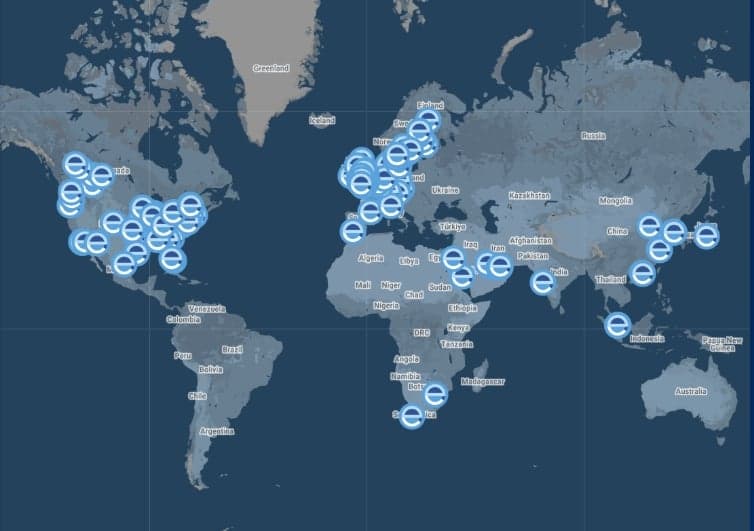
Explore our global network of labs and find your nearest location
VIEW ALL LOCATIONSRelated services
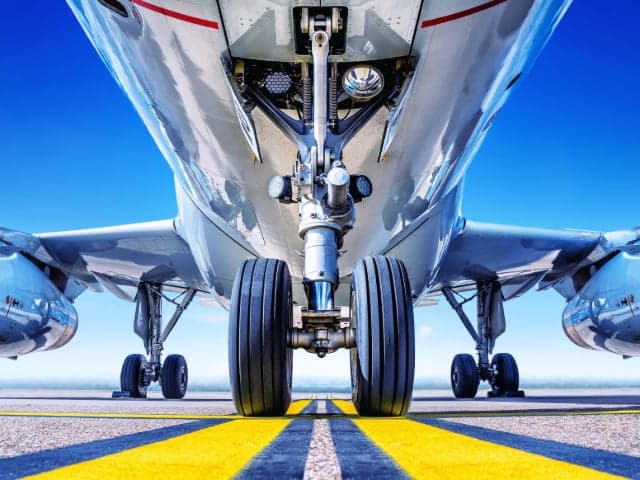
Aerospace
Element are the largest global independent provider of aerospace testing services with over 100 years of experience and world-class testing, qualification, calibration, and advisory services.
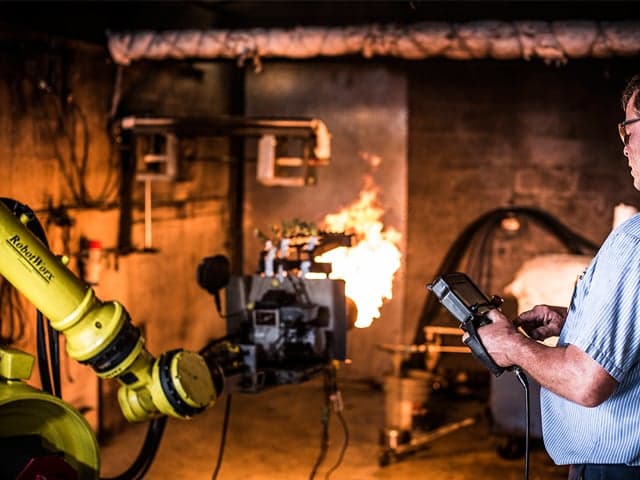
Aerospace RTCA DO-160 Testing
Element RTCA DO-160 Testing: Single-Source DO-160 Testing Performed In State-Of-The-Art Labs. Schedule Your Test Today.

Windmilling Testing Services for Aero Engines
Ensure your aero engine safety with Element's reliable windmilling testing using our advanced LDS V8 system for precise results and compliance assurance.
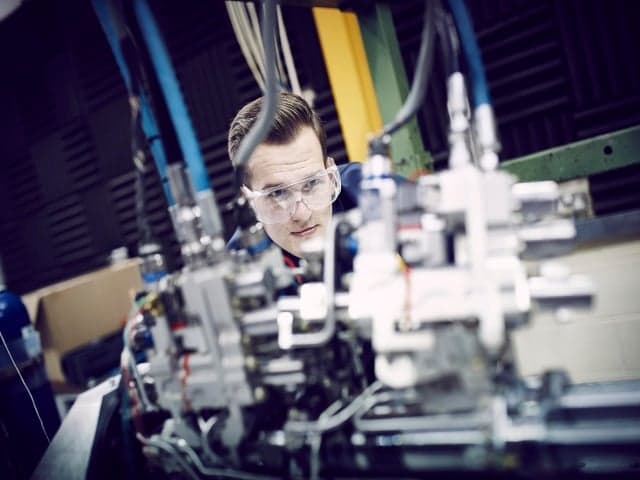
MIL-STD-810 Testing Services
Element's MIL-STD-810 testing services validate military and defense products under extreme conditions, delivering reliable, accredited results for compliance and performance qualification.
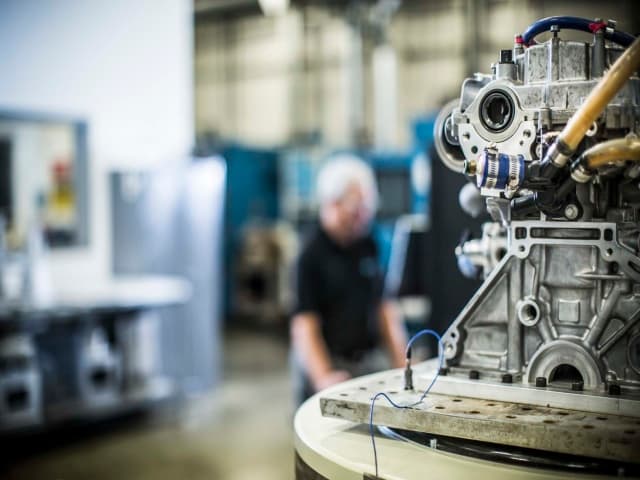
Vibration Testing Services
Ensure your product's safety and durability. Element's advanced vibration testing services replicate real-world scenarios, revealing potential issues before they occur. Learn More.
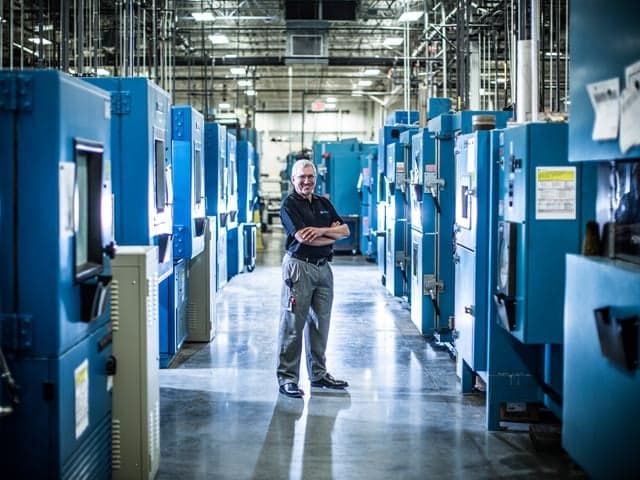
Climatic & Environmental Chamber Testing Services
Test your products' durability with environmental chambers at Element. Accurately simulate real-world conditions to meet industry standards and ensure performance.
Frequently Asked Questions
How is hail impact testing conducted in a laboratory environment?
In a laboratory environment, hail impact testing is conducted using calibrated ice projectiles launched at controlled velocities to replicate real-world hail conditions. Test parameters such as impact energy, projectile size, and impact angle are defined by the applicable standard or customer specification. After impact, inspection is performed to assess structural integrity and functional performance.