
CUI Inspection - Corrosion Under Insulation
Avoid costly and hazardous infrastructure damage with Element’s Corrosion Under Insulation (CUI) inspection and testing services. Our ISO-accredited labs ensure reliable results and full regulatory compliance. Choose Element for precise, cost-effective CUI solutions.
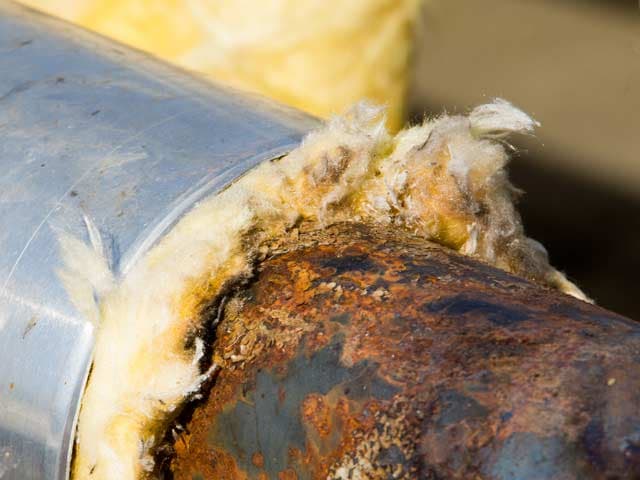
What is CUI Inspection at Element?
CUI inspection helps identify corrosion that occurs under insulation due to exposure to moisture and oxygen. This typically affects insulated carbon and low alloy steel equipment operating at high temperatures in cyclic service within the CUI temperature range. When moisture infiltrates the insulation, it creates an aggressive environment that accelerates corrosion. This often goes undetected for long periods, causing significant damage to infrastructure, which can be hazardous and expensive to repair. In severe cases, this damage can lead to costly site remediation, prolonged downtime, and legal issues. Element’s CUI inspection services identify this hidden threat through specialized testing methods that evaluate material integrity and coating performance.
What Can Element Offer You For CUI Inspection?
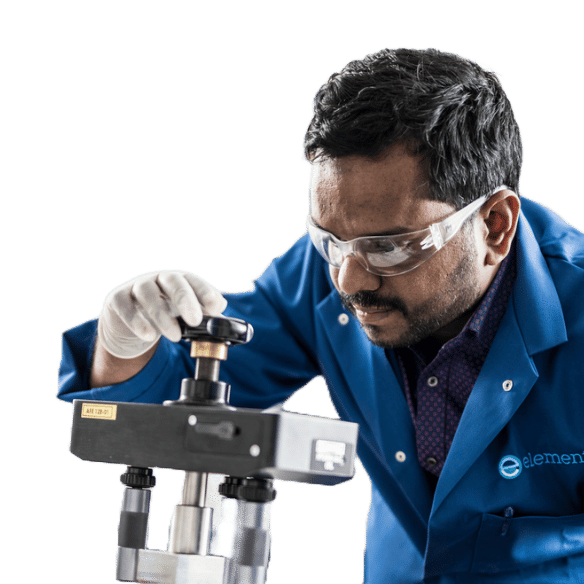
Key tests offered
Key tests offered
Our comprehensive corrosion under insulation testing portfolio follows ISO 19277:2018 standards to thoroughly evaluate material and coating performance under simulated corrosion-inducing conditions. We conduct specialized tests that replicate real-world scenarios where moisture infiltration occurs, examining how materials respond to temperature fluctuations, thermal shock, and moisture exposure over time to predict long-term performance and resistance to corrosion.
- Heat conditioning with cyclic testing based on CUI category
- Adhesion evaluation pre and post-exposure
- Artificial aging through environmental exposure
- Thermal cycling tests with cold water quenching
- Multi-phase CUI cyclic corrosion testing
- Cryogenic exposure testing for applicable categories
- Vertical pipe testing (Houston pipe test)
Materials and components we test
Materials and components we test
We test a wide range of materials and components exposed to corrosion risks in industrial environments. Our specialists analyze carbon and low alloy steel equipment operating at high temperatures in cyclic service, as well as protective coatings designed for insulated environments. We evaluate insulation systems across various temperature ranges and validate material performance in conditions where moisture infiltration may occur.
- Carbon and low alloy steel equipment
- Protective coatings for high-temperature applications
- Insulated industrial piping systems
- Infrastructure components in cyclic service
- Materials operating within CUI temperature ranges
Methods and solutions offered
Methods and solutions offered
Our ISO-accredited laboratories implement multiple testing methodologies to deliver comprehensive CUI prevention strategies tailored to your specific equipment needs. We utilize horizontal square pipe tests that simulate typical CUI environments and vertical pipe tests that evaluate coating resistance to accelerated CUI conditions. These methodologies provide actionable insights that help you implement effective preventative measures for long-term infrastructure protection.
- Horizontal square pipe testing simulating real-world CUI environments
- Cyclic testing including dry heat, thermal shock, and immersion phases
- Customized testing programs for research and development
- Bespoke solutions for unique client requirements
- Testing of alternative materials and modified test regimes
- Comprehensive electrochemical corrosion testing alongside CUI evaluation
Element offers a variety of testing to verify performance for suitability under insulation in accordance with ISO19277:2018, which include:
- Heat conditioning: Cyclic heat conditioning of coatings based upon the CUI category of choice.
- Adhesion: Evaluation of heat conditioned and standard cured materials both pre and post-exposure.
- Artificial aging: Environmental exposure in the form of neutral salt spray and water immersion.
- Thermal cycling test: Repeated heating and cooling over multiple cycles from the maximum temperature of the relevant CUI category, then quenching into cold water.
- Multi-phase CUI cyclic corrosion test: A horizontal square pipe test is utilized to simulate a typical environment where CUI occurs; the test process includes dry heat, thermal shock, immersion in boiling water, steam interface, and shut downtime.
- Cryogenic exposure: Optional cryogenic cyclic testing for cryogenic categories described in the standard.
- Vertical pipe test (Houston pipe test): An optional CUI test method to evaluate the resistance of a coating to accelerated CUI conditions with shut down periods. The test includes wet/dry/heat/cool cycling of an insulated coated pipe for a total of 30 cycles.
Customized R&D testing solutions
We go beyond standard testing protocols to provide bespoke R&D solutions for clients developing new materials or protective systems. Our team works collaboratively with your researchers to design modified test regimes that address specific performance questions or validate innovative approaches to CUI prevention. This service helps you develop next-generation protection systems with proven performance characteristics before deployment in critical infrastructure.
Reducing the High Costs of Regular CUI Inspections
Regular and thorough CUI inspections can be expensive, requiring specialized equipment and skilled technicians. The costs associated with unexpected repairs and replacements can be substantial, adding to the financial burden. Our comprehensive testing services, such as heat conditioning and thermal cycling tests, ensure that coatings and materials perform optimally, thereby extending the life of your infrastructure and minimizing maintenance costs. Investing in Element's CUI inspections ultimately leads to cost savings by preventing severe damage and reducing the need for frequent inspections.
Addressing Reliability Issues in CUI Inspections
Ensuring the consistency and reliability of inspections across different inspectors and cycles can be challenging. The risk of false positives or negatives can lead to unnecessary repairs or missed corrosion, both of which have significant implications. Element’s CUI inspection services are built on a foundation of accuracy and reliability. Utilizing a variety of testing methods, including artificial aging and cryogenic exposure tests, ensures that our inspections provide consistent and precise results. Our experienced specialists follow standardized protocols in accordance with ISO 19277:2018, reducing the risk of false positives and negatives. By delivering reliable data, Element enables you to make informed decisions about maintenance and repairs, ensuring that resources are allocated efficiently and effectively.
The Impact of Protective Coatings on CUI Prevention
As part of a holistic approach to CUI prevention, protective Coatings are often utilized in conjunction with installation design, insulation choice, and inspection regimes. In such cases, selecting an appropriate coating requires understanding the material's performance characteristics when subject to high-temperature cyclic and CUI conditions.
Cutting-edge equipment we use
Cutting-edge equipment we use
Our state-of-the-art facilities feature specialized equipment designed to replicate the conditions where corrosion under insulation typically occurs. Our testing apparatus can simulate environmental factors including moisture infiltration, temperature cycling, and thermal shock scenarios. This advanced equipment allows us to provide accurate assessments of material performance and coating efficacy in the most challenging CUI environments.
- Thermal cycling chambers for temperature variation testing
- Environmental exposure systems for artificial aging simulations
- Specialized adhesion testing equipment
- Horizontal square pipe test systems for multi-phase CUI evaluation
- Vertical pipe testing apparatus for accelerated CUI condition assessment
- Cryogenic exposure testing equipment
Which labs offer this service
Which labs offer this service
Our team operates from materials testing labs across the world, providing global access to our expert capabilities. Find your nearest lab on our Locations Page.
Standards we test to and materials we test
- ISO 19277:2018
- ASTM standards
- NACE standards
- API standards
Industrial equipment
- Carbon steel infrastructure
- Low alloy steel equipment
- High-temperature cyclic service components
- Insulated piping systems
Protective systems
- Protective coatings for CUI prevention
- Insulation materials
- Coating systems for high-temperature applications
- Materials for cryogenic applications
Your Challenges, Our Solutions

Hidden corrosion detection protects infrastructure
Lower lifetime costs through preventative testing
Consistent results with standardized protocols
Simplified compliance with accredited testing
Why Choose Element
Safety Enhancement
Regulatory Compliance
Operational Efficiency
Customized Solutions

Explore our global network of labs and find your nearest location
VIEW ALL LOCATIONSRelated services
Oil and Gas Corrosion Testing Services
Element's oil and gas corrosion testing identifies material vulnerabilities, supports compliance, and prevents failures through advanced simulation, predictive modeling, and testing in extreme environments.
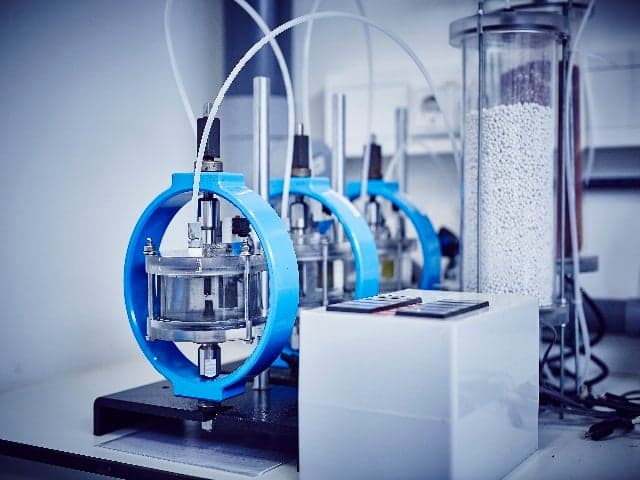
Corrosion Testing Services
Learn about our range of ISO/IEC 17025-accredited corrosion testing services. Safeguard your assets, ensure reliability, qualify welds, assess materials and enhance safety.

Galvanic Corrosion Testing
Element's galvanic corrosion testing helps you assess material compatibility, prevent failures, and develop effective corrosion protection strategies through advanced electrochemical analysis and real-world environmental simulations.
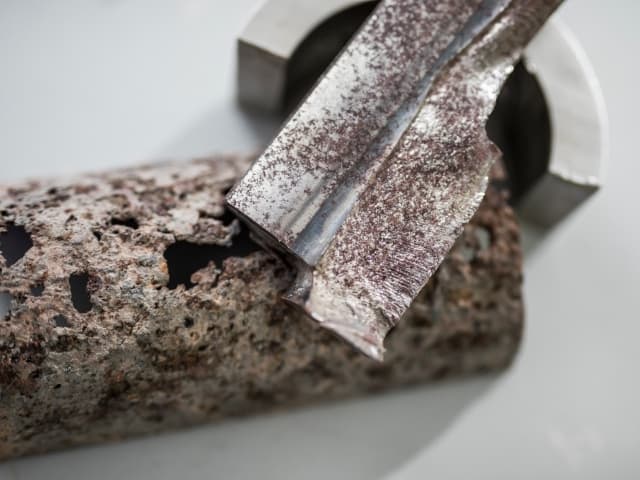
Pitting and Crevice Corrosion Testing
Element provides pitting and crevice corrosion testing to assess material durability, identify hidden vulnerabilities, and support industry compliance using advanced testing methods tailored to real-world environmental conditions.
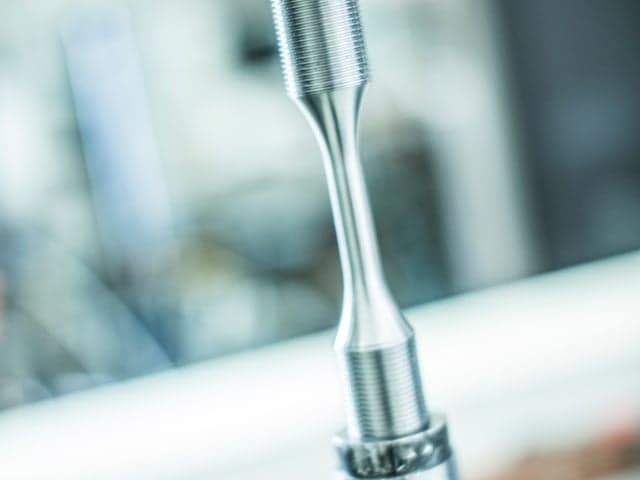
Slow Strain Rate Testing (SSRT) Services
Element's Slow Strain Rate Testing (SSRT) assesses material susceptibility to stress corrosion cracking and hydrogen embrittlement, providing critical insights for material selection and long-term performance in harsh environments.
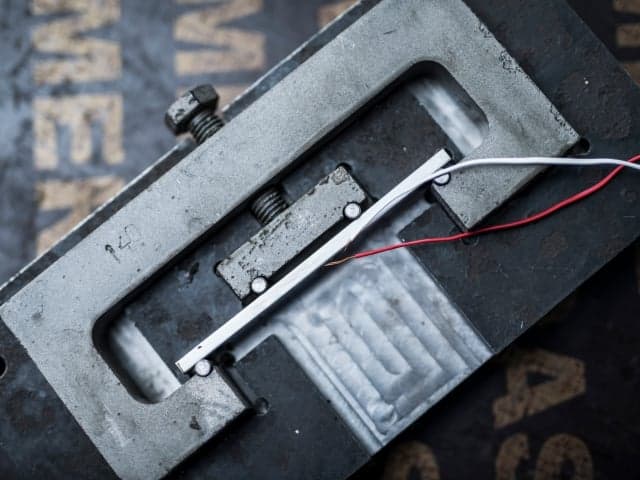
Stress Corrosion Cracking (SCC) Testing
Element's stress corrosion cracking testing identifies material vulnerabilities early, preventing sudden failures. Our specialized analysis replicates real-world conditions to enhance reliability, safety, and compliance across critical industries. Learn More.