
Conductive Anodic Filament (CAF) Testing
Protect your PCBs from failure with Element's comprehensive Conductive Anodic Filament (CAF) testing services. With shrinking conductor spacing and par sizes, our expert testing helps you establish Printed Circuit Board reliability, prevent shorting failures, and meet crucial industry standards. We provide the data you need to understand your product's properties and limitations while ensuring compliance.
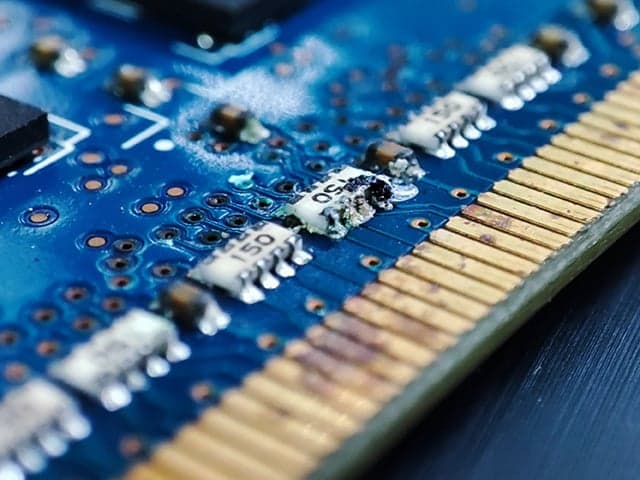
What is Conductive Anodic Filament (CAF) Testing at Element?
Conductive Anodic Filament (CAF) testing helps to determine the reliability of printed circuit board (PCB) laminate materials or finished PCB products by detecting electrochemical migration of copper salts, which can cause shorting and product failure. . Testing uses standard or custom coupon designs, including varied hole sizes, hole-to-hole, hole-to-plane, Z-axis spacings, and glass fiber orientations to assess all failure modes. CAF tests can be standalone, for IPC-4101 qualifications, or as part of OEM specifications. Performed under high temperature and humidity conditions, Element follows IPC-TM-650, Method 2.6.25A.
What Can Element Offer You For CAF Testing?

Key tests offered
Key tests offered
Element's CAF testing capabilities cover both standard coupon designs and custom OEM specifications, ensuring we can evaluate all possible failure modes for your specific needs. Element follows IPC-TM-650, Method 2.6.25A, testing samples for 596 hours with applied bias voltage. Our experts analyze data for resistance drops or shorting - performing a standard failure analysis when CAF growth is suspected.
Components and materials we test
Components and materials we test
We test a comprehensive range of PCB configurations including different hole sizes, hole-to-hole spacing, hole-to-plane spacing, Z-axis spacing, and various glass fiber orientations.
Methods and solutions offered
Methods and solutions offered
Our testing follows the IPC-TM-650 Method 2.6.25A standard, conducting 596-hour environmental testing with applied bias voltage and periodic high-resistance measurements. We review data for resistance drops or high resistance shorting, with additional failure analysis available if CAF growth is suspected.
Standards we test to and materials we test
Your Challenges, Our Solutions
Miniaturization Risks
Complex Testing Requirements
Compliance Demands
Reliability Concerns
Why Choose Element

Global Testing Network
Comprehensive Expertise
Single-Source Solution
Industry Standards Knowledge
Frequently asked questions
How long does CAF testing take?
The standard IPC-TM-650 test method requires 596 hours of environmental testing with periodic measurements throughout the process.

Explore our global network of labs and find your nearest location
VIEW ALL LOCATIONSRelated services

Printed Circuit Board (PCB) Testing
Looking for reliable printed circuit board testing? Element ensures PCB and assembly quality with advanced HATS2â„¢, counterfeit detection, and compliance. Learn More.
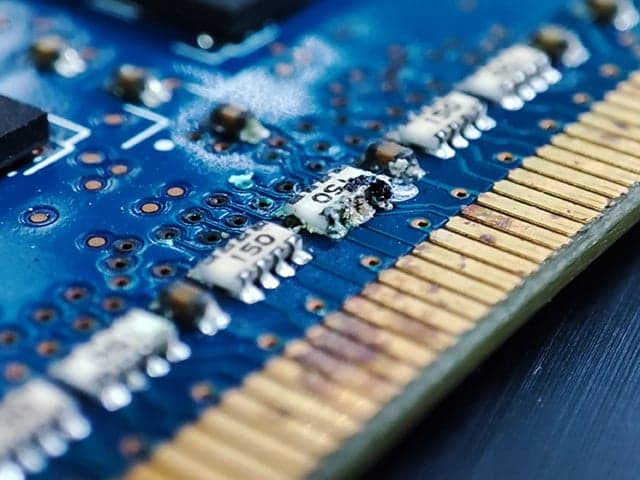
Printed Circuit Board (PCB) Failure Analysis
Understand and rectify the root causes of PCB failure with industry-leading PCB failure analysis from the testing experts at Element. Optimize your PCB designs while managing costs. Learn More.
Surface Insulation Resistance (SIR) Testing
Measure the reliability of your printed circuit boards under real-world temperature and humidity conditions with surface insulation resistance (SIR) testing from Element.
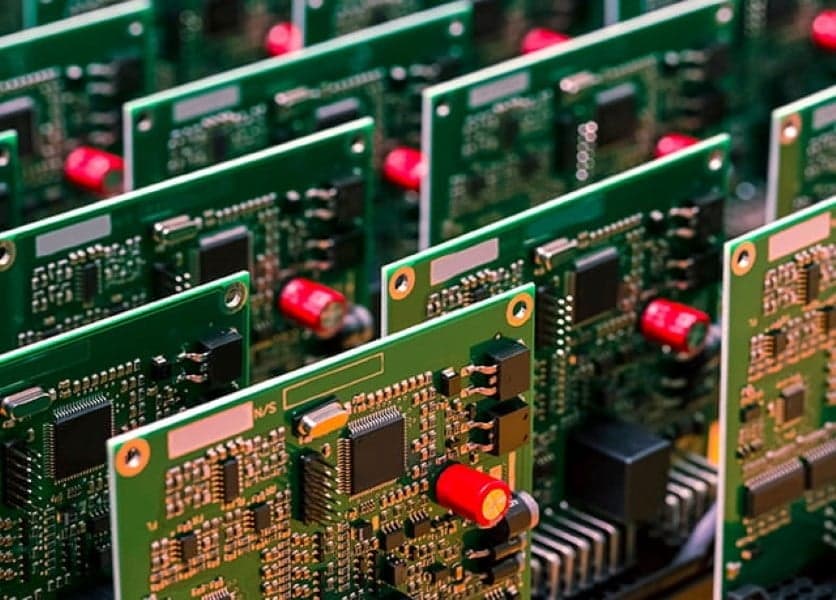
Circuit Board Solder Testing
Trust Element's testing experts for easy, accurate solderability testing of your electronic components. Be confident that your solder joints are reliable and perform as expected, with our solder joint reliability testing and solder joint failure analysis.