
Pitting and Crevice Corrosion Testing
Element's pitting and crevice corrosion testing services ensure material durability and compliance while saving you time and costs. Prevent corrosion before it starts with our advanced methods. We provide testing across various products and industries including Energy, Aerospace, Infrastructure, Environmental, and Industrials.
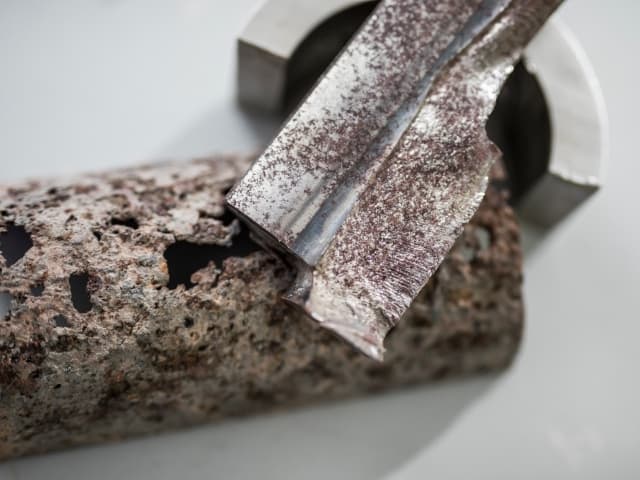
What is Pitting and Crevice Corrosion Testing at Element?
Pitting and crevice corrosion are both forms of localized corrosion. Pitting corrosion appears as small, isolated holes on material surfaces, typically resulting from protective layer breakdowns in aggressive environments like chloride solutions. Crevice corrosion occurs in confined spaces where surfaces meet, such as under gaskets or joints, due to oxygen concentration differences. While pitting affects localized surface areas, crevice corrosion starts in hidden areas, making early detection particularly challenging. At Element, we provide comprehensive, precise testing following ASTM G48, G78, and G150 standards, helping you prevent costly failures from pitting or crevice corrosion before they start.
What Can Element Offer You For Pitting and Crevice Corrosion Testing?
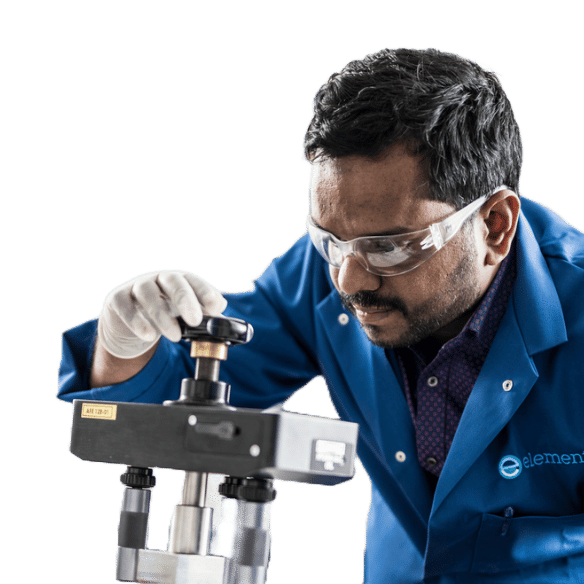
Key Tests Offered
Key Tests Offered
Our comprehensive suite of pitting and crevice corrosion tests provides you with critical data about your materials' performance in corrosive conditions. We conduct precise evaluations to determine Critical Pitting Temperature (CPT) and Critical Crevice Temperature (CCT), giving you actionable insights into material thresholds and durability expectations under specific environmental stresses.
- ASTM G48 A, C, and E for pitting corrosion testing
- ASTM G48 B, D, and F for crevice corrosion testing
- ASTM G78 crevice corrosion testing with castellated washers
- ASTM G150 electrochemical testing protocols
- Critical temperature determination for material selection
Materials We Test
Materials We Test
Element thoroughly tests a wide range of materials for pitting and crevice corrosion susceptibility, including various grades of stainless steel and duplex stainless steels. Our specialized testing protocols are tailored to evaluate materials used in challenging environments where localized corrosion presents significant risks, such as oil and gas pipelines, HVAC systems, and industrial equipment exposed to corrosive environments.
- Stainless steel alloys across various grades
- Duplex stainless steels
- Materials used in oil and gas applications
- HVAC system components and materials
- Industrial equipment in corrosive environments
Methods And Solutions Offered
Methods And Solutions Offered
- Pitting corrosion testing to ASTM G48 A, C and E test methods. This test exposes materials to aggressive ferrite chloride solutions at controlled temperatures. We offer a specialized variation, the C test, for duplex stainless steels.
- Crevice corrosion testing to ASTM G48 B, D and F and ASTM G78 test methods. The specialized G78 test method uses castellated washers with 20 contact points each to simulate real-world conditions where crevice corrosion typically develops.
- To provide a more comprehensive evaluation of your materials' integrity, Element offers extensive expertise in additional corrosion testing methods, including electrochemical corrosion testing.
- 6% ferric chloride solution exposure testing
- Controlled temperature testing environments up to 60°C
- Extended duration testing above and beyond the industry standard of 24 hours: for greater reliability, we test for 30 -72 hours depending on the test method
- Seawater exposure testing for marine applications
Cutting-Edge Equipment We Use
Cutting-Edge Equipment We Use
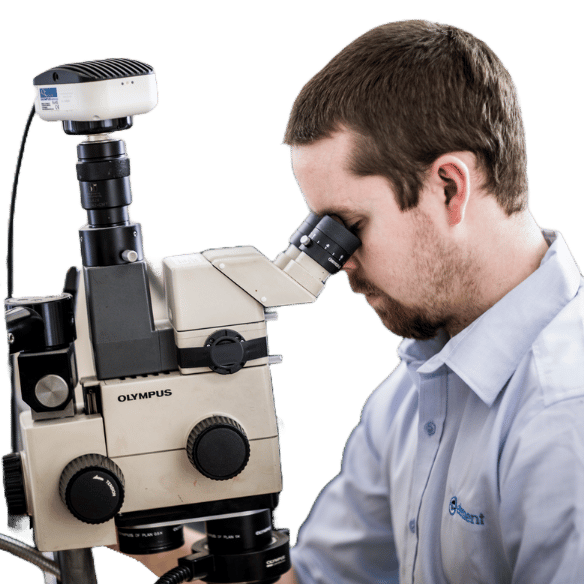
Our state-of-the-art facilities are equipped with advanced technology that enables precise control of testing parameters and detailed analysis of corrosion patterns. Element's electron scanning microscopy capabilities allow for high-resolution examination of pitting and crevice damage, providing you with comprehensive insights into corrosion mechanisms and material performance under challenging conditions.
- Temperature-controlled testing chambers
- Electron Scanning Microscopy (ESM) for detailed analysis
- Precision measurement instruments for corrosion evaluation
- Specialized crevice formers and castellated washers (MCAs)
- Advanced imaging systems for documenting corrosion patterns
Which Labs Offer This Service
Which Labs Offer This Service
Our team operates from materials testing hubs across the world, providing global access to our expert capabilities. See all our labs on our Locations Page.
Standards we test to and materials we test
- ASTM G48 A, C and E (pitting corrosion)
- ASTM G48 B, D and F (crevice corrosion)
- ASTM G78 (crevice corrosion with castellated washers)
- ASTM G150
- ASTM A923 method C (for duplex stainless steels)
Stainless steel products
- Various grades of stainless steel
- Duplex stainless steels
Oil and gas industry materials
- Pipeline materials
- Subsea components
- Production equipment
Infrastructure components
- Structural materials
- Fasteners and connectors
- Building materials exposed to aggressive environments
HVAC system components
- Refrigeration units
- Heat exchangers
- Cooling system materials
Industrial equipment
- Manufacturing equipment components
- Processing facility materials
- Storage tank materials
Your Challenges, Our Solutions

Hidden corrosion detected early
Material durability verified confidently
Standards compliance made simple
Testing efficiency maximized
Why Choose Element
Accurate Detection
Advanced Analysis
Cost Efficiency
Expert Guidance
72hour
60°C maximum
20+contact points
Frequently asked questions
What is the difference between pitting and crevice corrosion?
Pitting and crevice corrosion are both forms of localized corrosion but occur under different conditions and affect materials in distinct ways:
Pitting Corrosion: This occurs as small, isolated holes or pits on a material's surface. It is difficult to predict and often appears suddenly, affecting only localized areas while the majority of the surface remains unaffected. Pitting typically results from breakdowns in the passive protective layer on metals like stainless steel due to exposure to aggressive environments, such as chloride-containing solutions.
Crevice Corrosion: This occurs in confined spaces where two surfaces meet, such as under gaskets, seals, washers, or within tight joints. It arises due to differences in the oxygen concentration within the crevice compared to the surrounding area, leading to an aggressive localized attack. Crevice corrosion is particularly insidious because it starts in hidden areas, making early detection challenging.
Comprehensive Corrosion Evaluation Services
Enhance your material integrity assessment with Element's full spectrum of complementary corrosion testing capabilities. This integrated approach simplifies your testing process while providing a more complete understanding of your material’s potential vulnerabilities. Combine your pitting and crevice corrosion testing with a variety of other techniques including:
- Electrochemical corrosion testing integration
- Corrosion modeling for component life prediction
- Salt spray testing for broader corrosion resistance evaluation
- Corrosion Under Insulation (CUI) specialized testing
- Multi-method corrosion assessment programs
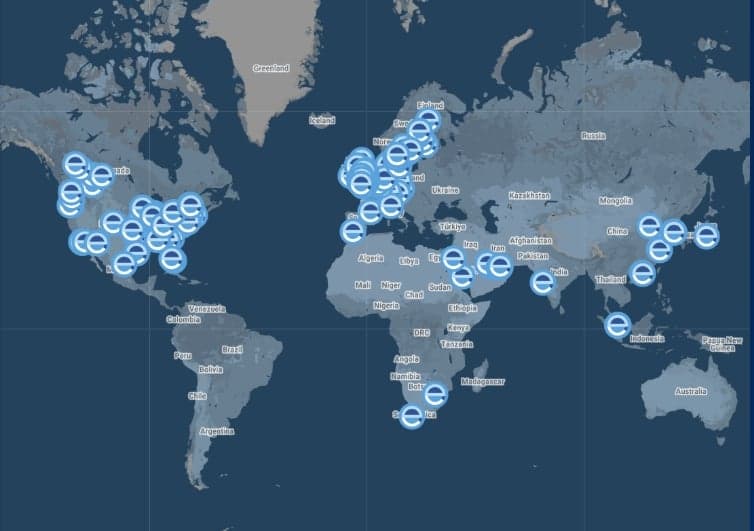
Explore our global network of labs and find your nearest location
VIEW ALL LOCATIONSRelated services
Oil and Gas Corrosion Testing Services
Element's oil and gas corrosion testing identifies material vulnerabilities, supports compliance, and prevents failures through advanced simulation, predictive modeling, and testing in extreme environments.

ASTM F519 Hydrogen Embrittlement (HE) Testing Services
Element's ASTM F519 hydrogen embrittlement testing evaluates material performance under tensile stress, identifying vulnerabilities in high-strength steels and alloys to prevent failures in aerospace, automotive, and energy applications.
Corrosion Inhibitor Testing
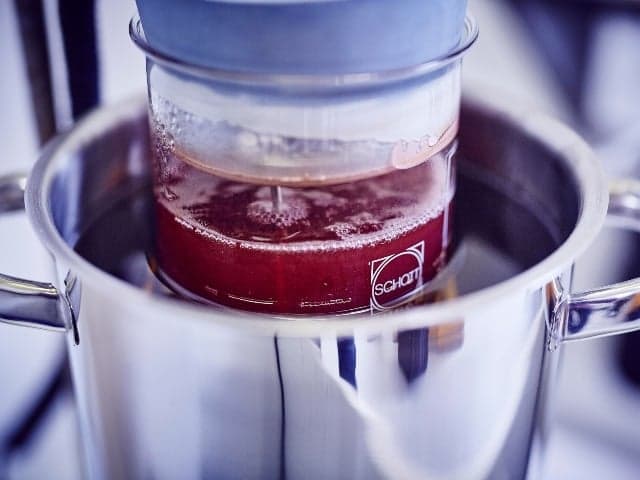
Element provides corrosion inhibitor testing to help industries prevent failures, extend infrastructure lifespan, and meet compliance standards by simulating real-world environmental conditions and evaluating inhibitor effectiveness.

Hydrogen Induced Cracking (HIC) Testing
Prevent critical equipment failure with our fast-turnaround Hydrogen Induced Cracking Testing. Expert NACE-compliant analysis ensures your oil & gas components are safe for sour service environments.
Sulfide Stress Cracking (SSC) Testing Services
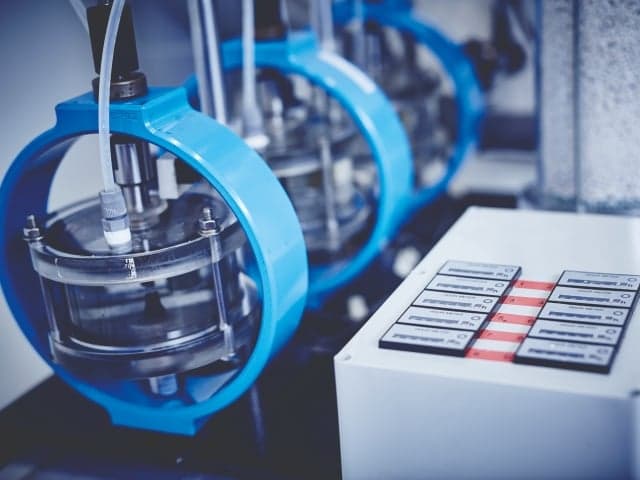
Prevent catastrophic pipeline failures with Element's ISO/IEC 17025-accredited Sulfide Stress Cracking testing services. Our global experts detect early SSC risks in sour service environments using proprietary methods and NACE-compliant protocols.
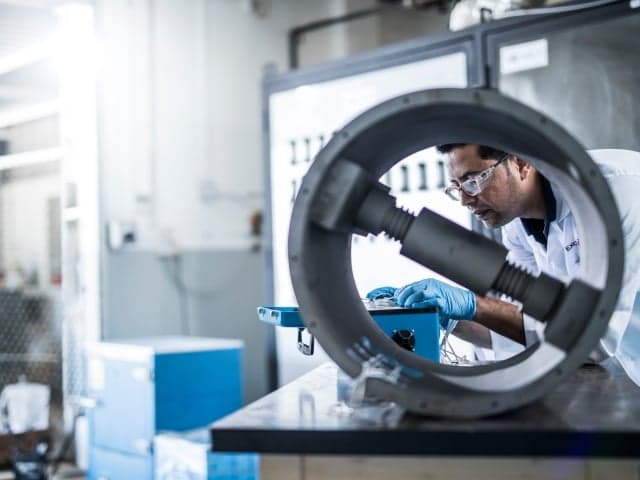
Sour Service Corrosion Testing for NACE MR0175/ISO 15156 Compliance
Element provides industry-leading sour service corrosion testing, helping oil and gas companies mitigate corrosion risks, comply with NACE MR0175/ISO 15156, and enhance material reliability in challenging environments.
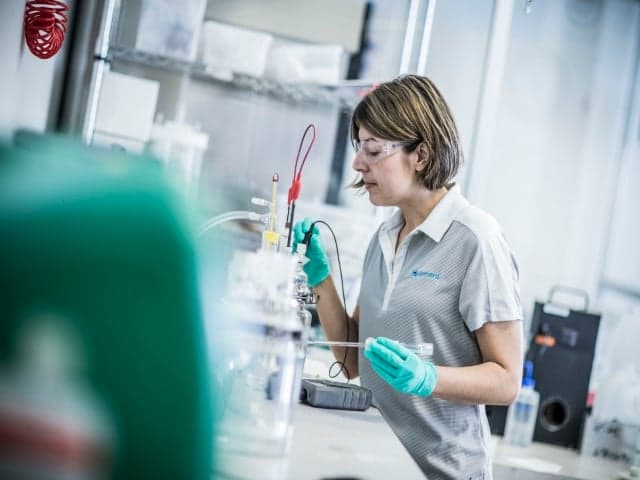
Electrochemical Corrosion Testing
Element offers electrochemical corrosion testing to identify material risks, enhance durability, and support informed material selection across industries.
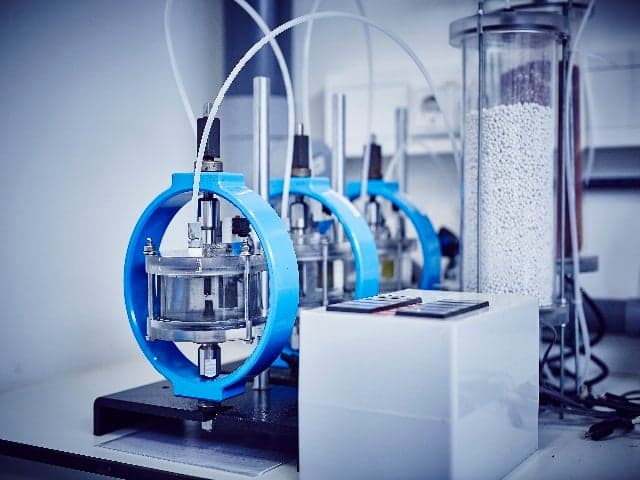
Corrosion Testing Services
Learn about our range of ISO/IEC 17025-accredited corrosion testing services. Safeguard your assets, ensure reliability, qualify welds, assess materials and enhance safety.
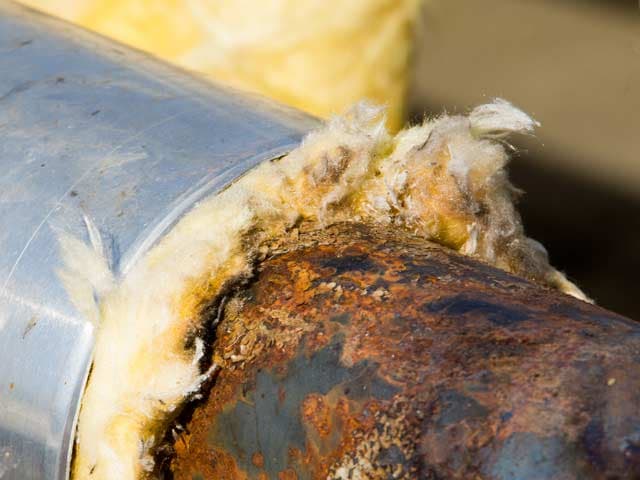
CUI Inspection - Corrosion Under Insulation
Identify hidden corrosion under insulation before it leads to costly failures. Element's advanced CUI inspection protects infrastructure & extends equipment life, meeting industry standards. Learn More.
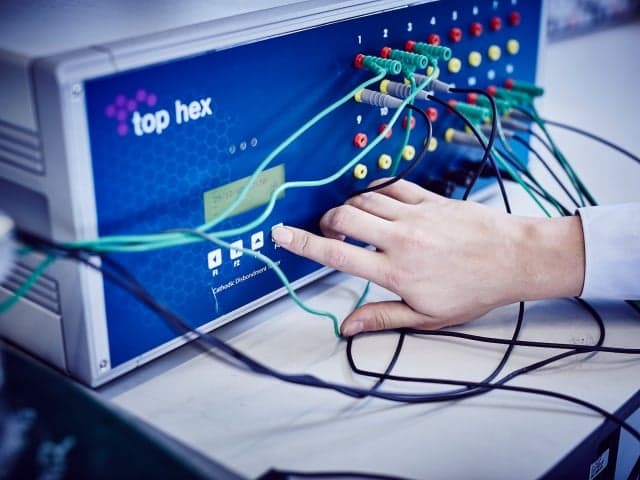
Galvanic Corrosion Testing
Element's galvanic corrosion testing helps you assess material compatibility, prevent failures, and develop effective corrosion protection strategies through advanced electrochemical analysis and real-world environmental simulations.
Slow Strain Rate Testing (SSRT) Services
Element's Slow Strain Rate Testing (SSRT) assesses material susceptibility to stress corrosion cracking and hydrogen embrittlement, providing critical insights for material selection and long-term performance in harsh environments.
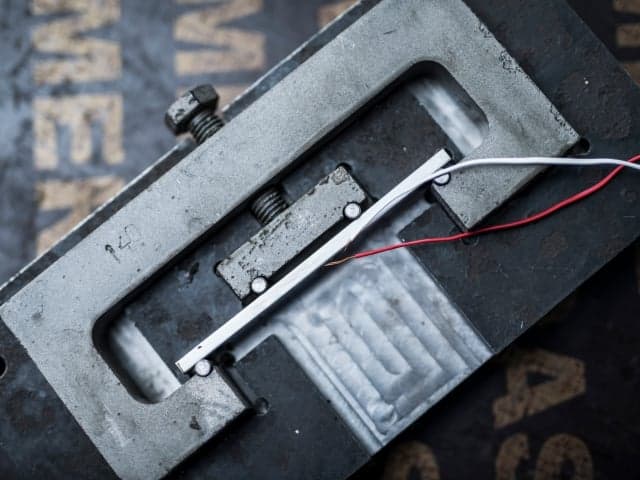
Stress Corrosion Cracking (SCC) Testing
Element's stress corrosion cracking testing identifies material vulnerabilities early, preventing sudden failures. Our specialized analysis replicates real-world conditions to enhance reliability, safety, and compliance across critical industries. Learn More.
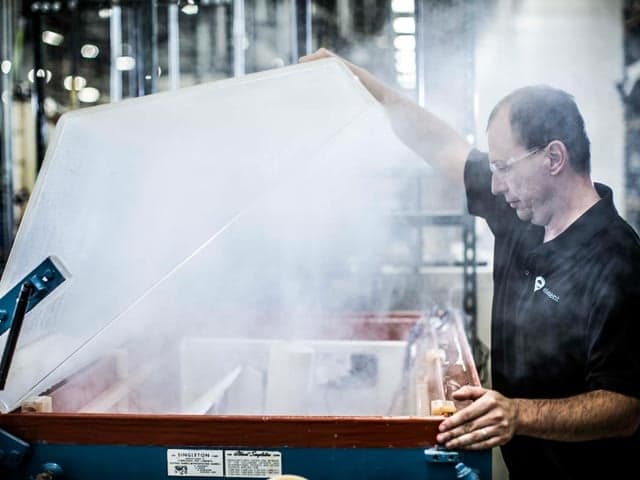
Salt Spray Testing
Ensure corrosion resistance with Element’s salt spray (salt fog) testing. Get accurate, reliable results and customized conditions for your specific needs. Learn more now!
- Oil and Gas Corrosion Testing Services
- ASTM F519 Hydrogen Embrittlement (HE) Testing Services
- Corrosion Inhibitor Testing
- Hydrogen Induced Cracking (HIC) Testing
- Sulfide Stress Cracking (SSC) Testing Services
- Sour Service Corrosion Testing for NACE MR0175/ISO 15156 Compliance
- Electrochemical Corrosion Testing
- Corrosion Testing Services
- CUI Inspection - Corrosion Under Insulation
- Galvanic Corrosion Testing
- Slow Strain Rate Testing (SSRT) Services
- Stress Corrosion Cracking (SCC) Testing
- Salt Spray Testing