
Galvanic Corrosion Testing
Element offers galvanic corrosion testing to ASTM G71, ASTM G82 and to client-specific standards for evaluating the behavior of metals and metallic coatings in accelerated corrosion environments. We can help you select appropriate materials at the design stage, and we offer in-field support for fast answers in live applications.
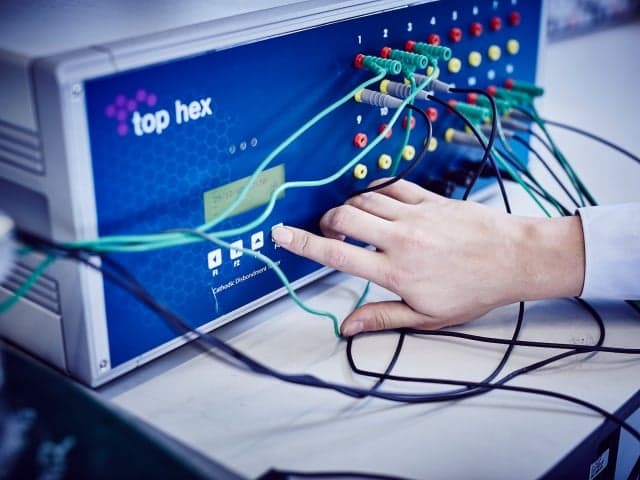
What is Galvanic Corrosion Testing at Element?
Galvanic corrosion is a natural electrochemical process that occurs when two different metals come into contact with an electrolyte, such as sea water. Galvanic corrosion testing is essential to assess the potential risk of damage to metal structures and equipment. By understanding the galvanic corrosion potential of different metal combinations, you can take preventive measures to mitigate or eliminate the risk of corrosion, ensuring the longevity and safety of materials.
At Element, we evaluate the behavior of metals and metallic coatings in accelerated corrosion environments, helping you understand compatibility issues and select appropriate materials at the design stage, with ongoing support for live applications.
What Can Element Offer You For Galvanic Corrosion Testing?
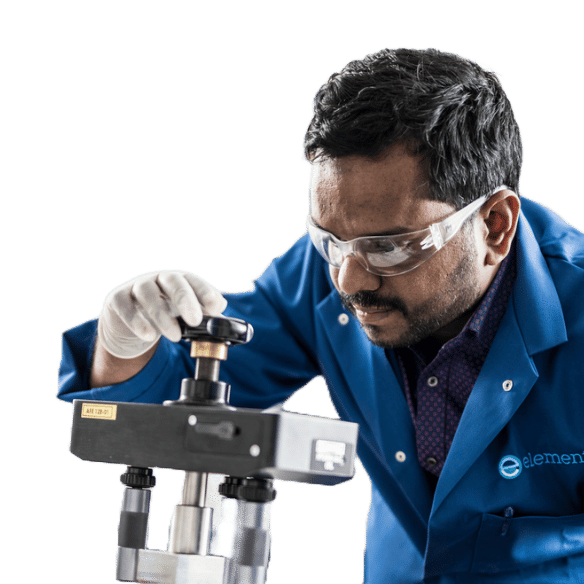
Key tests offered
Key tests offered
Our leading corrosion testing laboratories carry out galvanic corrosion testing on combinations of metals and metallic coatings to evaluate the damage due to galvanic corrosion. We also identify potential compatibility issues before they cause costly failures.
We support you with:
- Material selection guidance for specific environments
- Compatibility assessment of multiple metal combinations
- Development of corrosion protection strategies
- Replication of specific operating environments
- In-field support for live applications
Materials and components we test
Materials and components we test
We test a comprehensive range of metals and metallic coatings to evaluate their galvanic corrosion potential, including:
- Galvanized steel and stainless steel components
- Copper, bronze, and copper-nickel alloys
- Aluminum and aluminum/zinc coatings
- Tin/zinc alloy coatings over different base metals
- Welds for preferential corrosion assessment
Methods and solutions offered
Methods and solutions offered
We customize our testing methods to replicate your material's condition, environment, and geometry as closely as possible to the application, simulating galvanic corrosion scenarios in environments of interest.
We test to a variety of standards such as ASTM G71 and ASTM G82 to assess the interaction between different metals and coatings. This data enables you to identify and mitigate potential corrosion issues quickly, minimizing the need for reactive maintenance and costly repairs.
You can also add electrochemical corrosion testing analysis to your testing program. Element experts evaluate galvanic corrosion performance of two or more dissimilar metals when electrically connected in a selected environment using three main test categories:
- Sensitive galvanic current measurement using Zero Resistance Ammetry (ZRA)
- Galvanic series determination
- Preferential weld corrosion
Expert support throughout your project
Partner with our global corrosion specialists like Phil Dent for expert guidance on galvanic corrosion challenges throughout your product lifecycle. Our team delivers fast answers to inform your design and engineering processes and live application concerns.
Which labs offer this service
Which labs offer this service
Our team operates from materials testing labs across the world, providing global access to our expert capabilities. Find your nearest lab on our Locations Page.
Standards we test to and materials we test
- ASTM G82 - Guide for Development and Use of a Galvanic Series for Predicting Galvanic Corrosion Performance
- ASTM G71 - Practice for Conducting and Evaluating Galvanic Corrosion Tests in Electrolytes
- Client-specific standards
Metals and alloys
- Galvanized steel
- Copper
- Bronze
- Copper-nickel
- Stainless steel
- Aluminum
Coatings
- Aluminum/zinc coating on steel
- Tin/zinc alloy coating over stainless steel
- Tin/zinc alloy coating over copper
Joined materials
- Welds (preferential weld corrosion)
- Dissimilar metal connections
Your Challenges, Our Solutions

Material compatibility made certain
Regulatory compliance simplified
Corrosion protection costs optimized
Real-world performance verified
Element Experts at your service

Why Choose Element
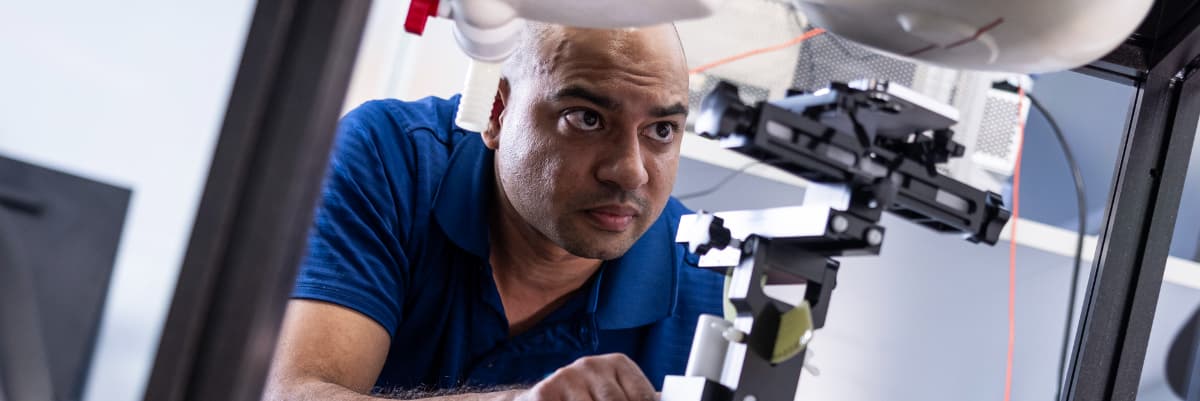
Comprehensive testing capabilities
Global laboratory network
Expert material selection guidance
Fast in-field problem solving
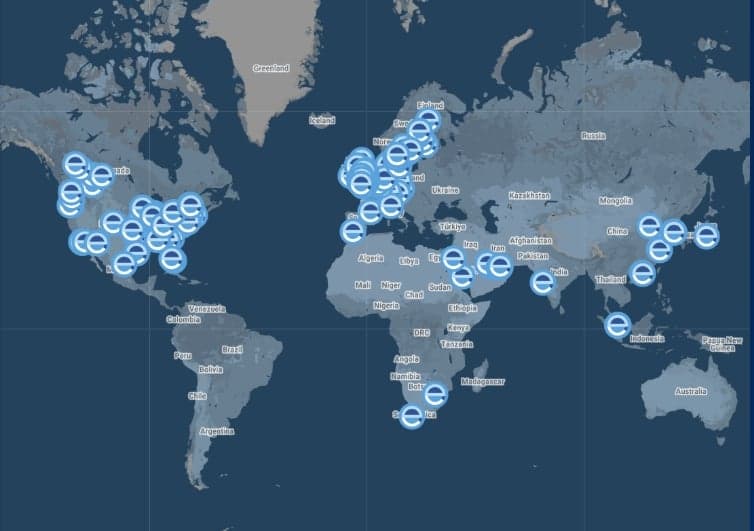
Explore our global network of labs and find your nearest location
VIEW ALL LOCATIONSRelated services
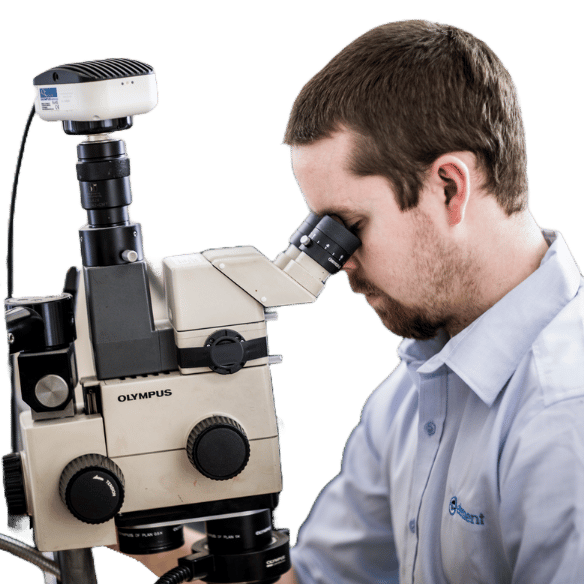
Oil and Gas Corrosion Testing Services
Element's oil and gas corrosion testing identifies material vulnerabilities, supports compliance, and prevents failures through advanced simulation, predictive modeling, and testing in extreme environments.

ASTM F519 Hydrogen Embrittlement (HE) Testing Services
Element's ASTM F519 hydrogen embrittlement testing evaluates material performance under tensile stress, identifying vulnerabilities in high-strength steels and alloys to prevent failures in aerospace, automotive, and energy applications.
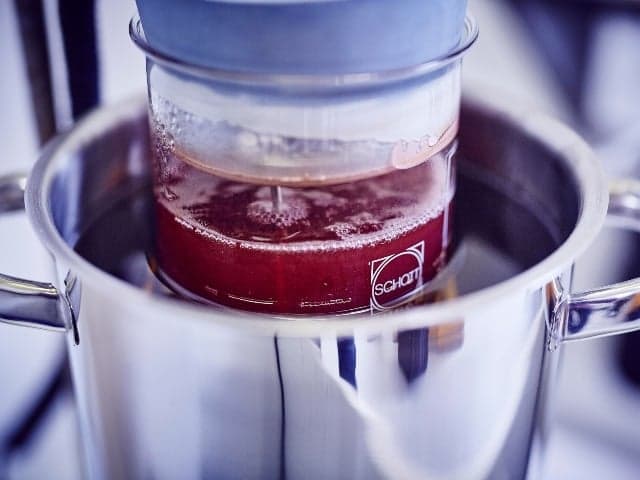
Corrosion Inhibitor Testing
Element provides corrosion inhibitor testing to help industries prevent failures, extend infrastructure lifespan, and meet compliance standards by simulating real-world environmental conditions and evaluating inhibitor effectiveness.

Hydrogen Induced Cracking (HIC) Testing
Prevent critical equipment failure with our fast-turnaround Hydrogen Induced Cracking Testing. Expert NACE-compliant analysis ensures your oil & gas components are safe for sour service environments.
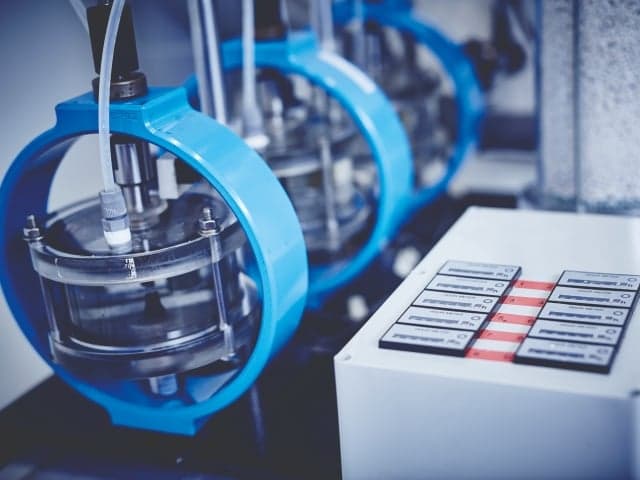
Sulfide Stress Cracking (SSC) Testing Services
Prevent catastrophic pipeline failures with Element's ISO/IEC 17025-accredited Sulfide Stress Cracking testing services. Our global experts detect early SSC risks in sour service environments using proprietary methods and NACE-compliant protocols.
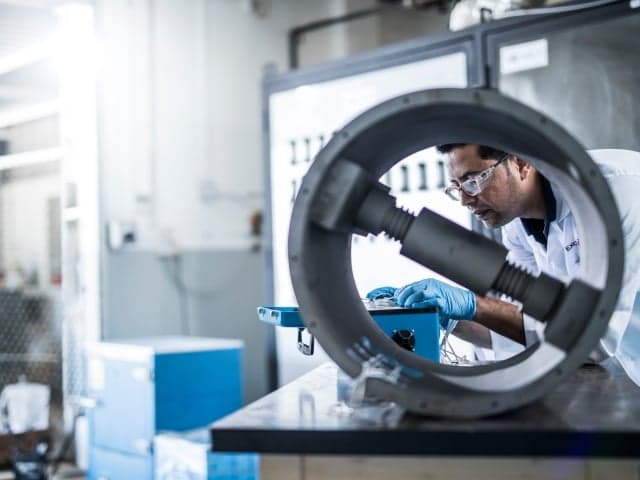
Sour Service Corrosion Testing for NACE MR0175/ISO 15156 Compliance
Element provides industry-leading sour service corrosion testing, helping oil and gas companies mitigate corrosion risks, comply with NACE MR0175/ISO 15156, and enhance material reliability in challenging environments.
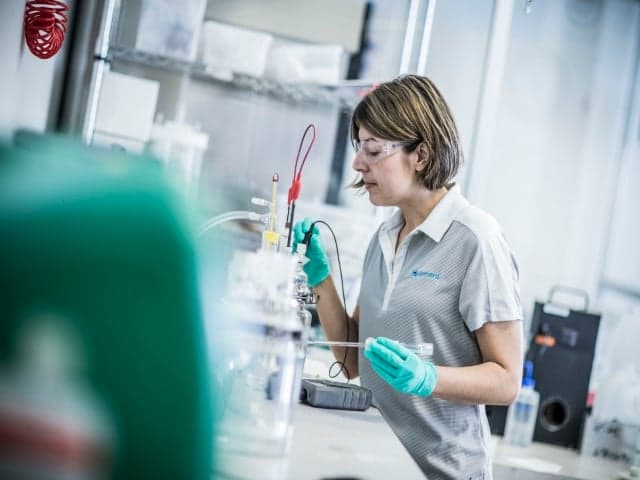
Electrochemical Corrosion Testing
Element offers electrochemical corrosion testing to identify material risks, enhance durability, and support informed material selection across industries.
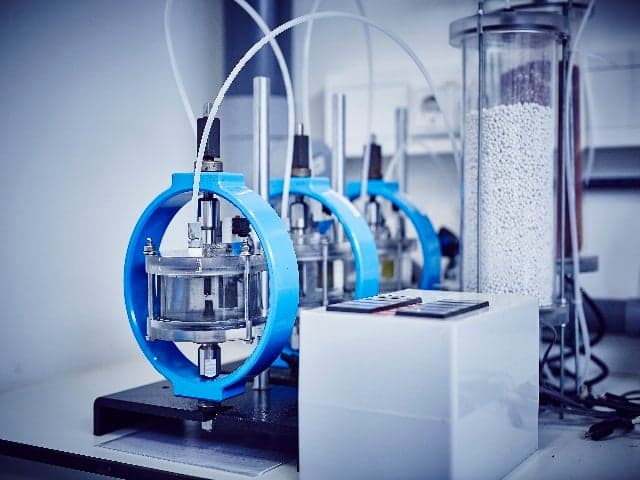
Corrosion Testing Services
Learn about our range of ISO/IEC 17025-accredited corrosion testing services. Safeguard your assets, ensure reliability, qualify welds, assess materials and enhance safety.
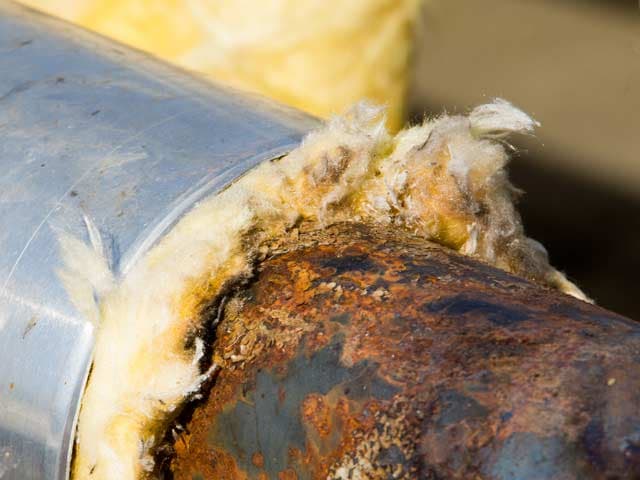
CUI Inspection - Corrosion Under Insulation
Identify hidden corrosion under insulation before it leads to costly failures. Element's advanced CUI inspection protects infrastructure & extends equipment life, meeting industry standards. Learn More.
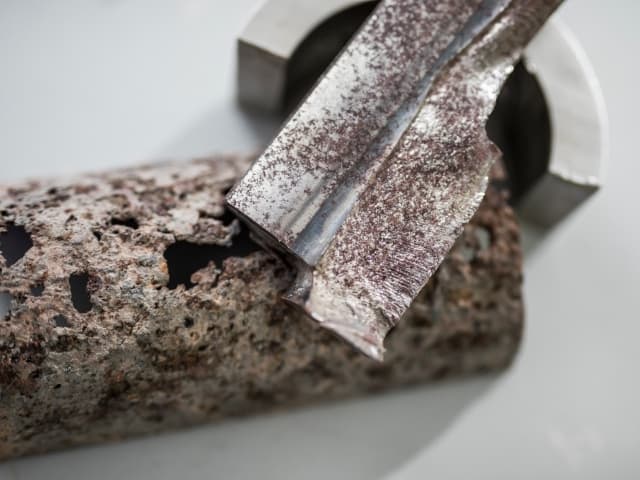
Pitting and Crevice Corrosion Testing
Element provides pitting and crevice corrosion testing to assess material durability, identify hidden vulnerabilities, and support industry compliance using advanced testing methods tailored to real-world environmental conditions.
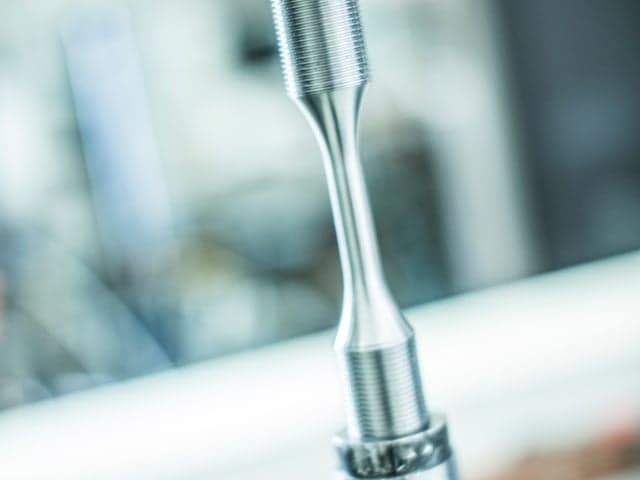
Slow Strain Rate Testing (SSRT) Services
Element's Slow Strain Rate Testing (SSRT) assesses material susceptibility to stress corrosion cracking and hydrogen embrittlement, providing critical insights for material selection and long-term performance in harsh environments.
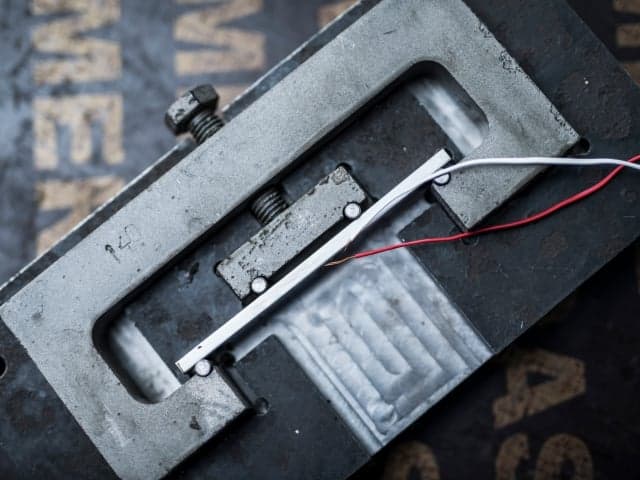
Stress Corrosion Cracking (SCC) Testing
Element's stress corrosion cracking testing identifies material vulnerabilities early, preventing sudden failures. Our specialized analysis replicates real-world conditions to enhance reliability, safety, and compliance across critical industries. Learn More.
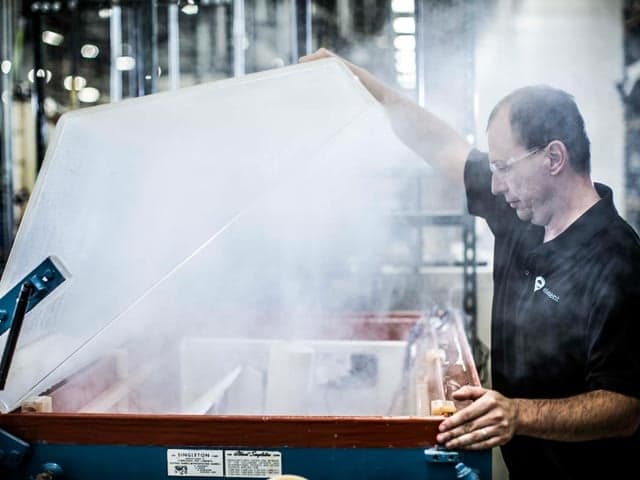
Salt Spray Testing
Ensure corrosion resistance with Element’s salt spray (salt fog) testing. Get accurate, reliable results and customized conditions for your specific needs. Learn more now!
- Oil and Gas Corrosion Testing Services
- ASTM F519 Hydrogen Embrittlement (HE) Testing Services
- Corrosion Inhibitor Testing
- Hydrogen Induced Cracking (HIC) Testing
- Sulfide Stress Cracking (SSC) Testing Services
- Sour Service Corrosion Testing for NACE MR0175/ISO 15156 Compliance
- Electrochemical Corrosion Testing
- Corrosion Testing Services
- CUI Inspection - Corrosion Under Insulation
- Pitting and Crevice Corrosion Testing
- Slow Strain Rate Testing (SSRT) Services
- Stress Corrosion Cracking (SCC) Testing
- Salt Spray Testing
Related Articles and Events

Speak to our team of experts
Frequently asked questions
What causes galvanic corrosion?
Galvanic corrosion is a natural electrochemical process that occurs when two different metals come into contact with an electrolyte, such as sea water. When this happens, one metal becomes the anode, and the other becomes the cathode. The anodic metal corrodes more quickly, while the cathodic metal corrodes slower than usual (or may not corrode at all).