
Sour Service Corrosion Testing for NACE MR0175/ISO 15156 Compliance
Protect your oil and gas infrastructure from catastrophic H2S corrosion failures with our comprehensive sour service testing solutions. Our global laboratory network delivers precise NACE MR0175/ISO 15156 compliance verification, while our expert guidance streamlines complex qualification processes. From ambient temperature SSC testing to advanced HPHT evaluation, we provide end-to-end technical partnership that prevents costly failures and downtime, accelerates project timelines, and ensures regulatory compliance.
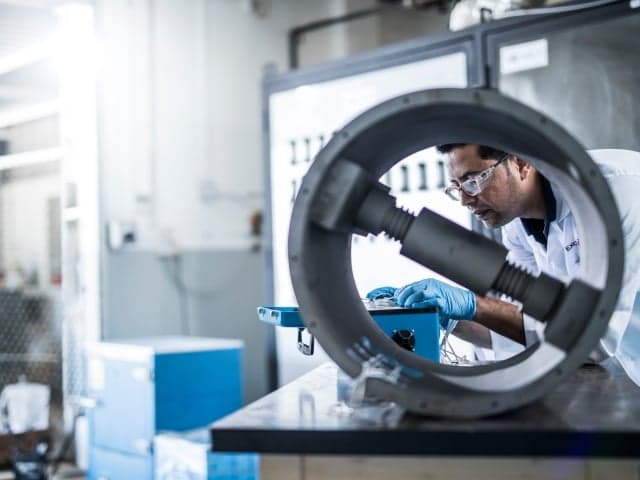
What is Sour Service Corrosion Testing at Element?
Sour service testing evaluates material performance in environments containing wet H2S or sulfuric acid. Hydrogen sulfide is often introduced through biochemical processes, where microorganisms consume sulfates, releasing H2S which can then oxidize into sulfuric acid, causing severe corrosion and cracking. The presence of wet H2S can result in cracking and failure of carbon and low alloy steels as well as corrosion-resistant alloys. At Element, we conduct comprehensive testing to assess how materials respond to these harsh conditions, helping you select the right solutions for your oil and gas infrastructure while maintaining regulatory compliance.
What Can Element Offer You For Sour Service Corrosion Testing?
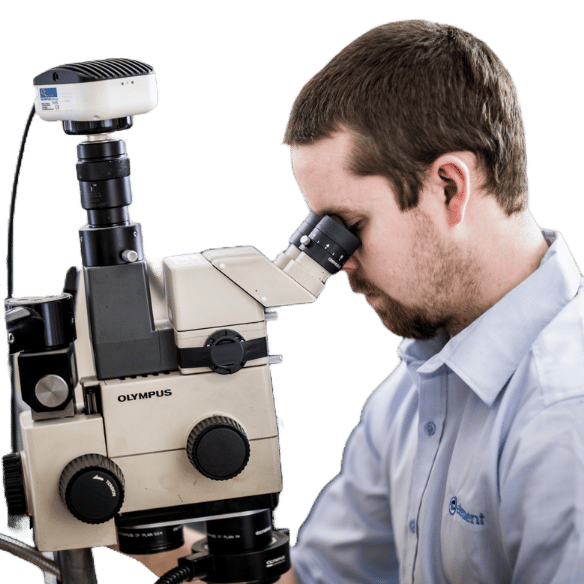
Key tests offered
Key tests offered
Element delivers comprehensive sour service testing solutions that address all aspects of material performance in H2S environments. Our testing capabilities include advanced methodologies and specialized procedures:
- SSC testing at ambient temperature
- Full ring testing
- SOHIC testing
- Stress Corrosion Cracking (SCC), Pitting and Crevice tests in High Pressure High Temperature (HPHT) environments up to 250 °C and 300 bar
- Slow Strain Rate (SSRT) and Rippled Slow Strain Rate (RSSR) testing
- Customer-specific services; advice and guidance, consultancy and bespoke testing programs
Testing to NACE MR0175 / ISO 15156 Requirements
Testing and qualification under ISO 15156/NACE MR0175 are divided into two categories:
1. Carbon and Low Alloy Steel Testing
Part 2 of the standard outlines testing and qualification for:
- Sulfide Stress Cracking (SSC)
- Hydrogen-Induced Cracking (HIC Testing)
- Stress-Oriented Hydrogen-Induced Cracking (SOHIC)
For these cracking modes, susceptibility is highest at ambient temperature. Key environmental factors to consider include solution pH and the partial pressure of H₂S.
2. Corrosion-Resistant Alloy Testing
Part 3 of the standard covers testing and qualification for:
- Sulfide Stress Cracking (SSC)
- Stress Corrosion Cracking (SCC)
- Galvanically-Induced Hydrogen Stress Cracking (GHSC)
For stress corrosion cracking, the most significant susceptibility occurs at ambient or low temperatures. For other types, susceptibility is usually highest at maximum operating temperatures. In duplex stainless steels specifically, the highest risk occurs at intermediate temperatures (80–100°C).
Critical environmental factors for corrosion-resistant alloys include solution pH, chloride concentration, and partial pressure of H₂S, with temperature playing a significant role in susceptibility.
Materials and components we test
Materials and components we test
Our testing capabilities cover the complete range of materials and components used in sour service environments. We evaluate everything from carbon and low alloy steels to advanced corrosion-resistant alloys, including:
- Complete pipeline systems and components
- Storage vessels and containment systems
- Welded structures and assemblies
- Specialty alloys and custom materials
- Full-scale component testing under simulated conditions
Methods and solutions offered
Methods and solutions offered
Our approach combines traditional and advanced testing methods to provide comprehensive material qualification. We offer customized solutions that address your specific operational conditions:
Our testing capabilities include advanced methodologies conducted in accordance with NACE TM0177 (SSC/SCC/GHSC), NACE TM0316 (SSC/SCC), NACE TM0284 (HIC), NACE TM0198 (SSRT) and BS8701 (Full Ring):
-
Environmental simulation at ambient temperatures (critical for carbon/low alloy steels)
-
Elevated temperature testing (80-100°C focus for duplex stainless steels)
-
pH and H2S partial pressure variation testing
-
Chloride concentration impact assessment
-
Galvanically-induced hydrogen stress cracking evaluation
-
Corrosion inhibitor selection and testing
-
Custom test program development
-
Detailed performance analysis and recommendations
Research and development capabilities
Our industry-leading R&D programs advance testing methodologies and solutions:
- Development of new SOHIC testing protocols
- Innovation in SSC testing using axial loading full ring tests
- Custom testing program development
- Material performance optimization studies
- Advanced analytical techniques for real-world conditions
- Correlation studies between different test methods
- Specialized corrosion inhibitor evaluation
Cutting-edge equipment we use
Cutting-edge equipment we use
Our state-of-the-art facilities feature specialized equipment and environmental controls designed specifically for sour service testing:
- Advanced HPHT testing chambers with environmental monitoring
- Environmental control systems for precise H2S levels
- Full ring testing apparatus
- Specialized corrosion monitoring equipment
- Custom test fixtures for unique geometries
- Real-time data acquisition systems
Which labs offer this service
Which labs offer this service
Element has an integrated global network of laboratories that offer the complete range of sour-service tests for the qualification of your materials to the requirements of MR0175 / ISO 15156. Find your nearest Materials Testing Services hub on our Locations Page.
Standards we test to and components we test
- NACE MR0175/ISO 15156 Part 2 (Carbon and low alloy steels)
- NACE MR0175/ISO 15156 Part 3 (Corrosion-resistant alloys)
- NACE TM0177 (SSC/SCC/GHSC)
- NACE TM0316 (SSC/SCC)
- NACE TM0284 (HIC)
- NACE TM0198 (SSRT)
- BS8701 (Full Ring)
- Customer-specific standards and requirements
Carbon and low alloy steels
- Pipeline materials and components
- Storage vessel materials
- Welded structures
- Low alloy components
- Custom material grades
Corrosion-resistant alloys
- Duplex stainless steels
- High-performance alloys
- Specialty metals
- Welded components
- Custom alloy systems
Your Challenges, Our Solutions
Preventing catastrophic failures through expert testing
Streamlined compliance verification
Accelerated project timelines worldwide
Innovation driving material performance
Element Experts at your service

Why Choose Element
Comprehensive Material Analysis
Failure Prevention & Safety
Expert Compliance Support
Optimized Time & Cost Efficiency
250°CMaximum HPHT testing capability
300 bar Pressure testing capacity
190+ years
But don't just take our word for it
See what others have to say about partnering with Element
Predicting Component Life with Erosion Modeling
Discover how Element partnered with Siemens to develop advanced erosion modeling techniques that accurately predict component failure in oil and gas pipelines.
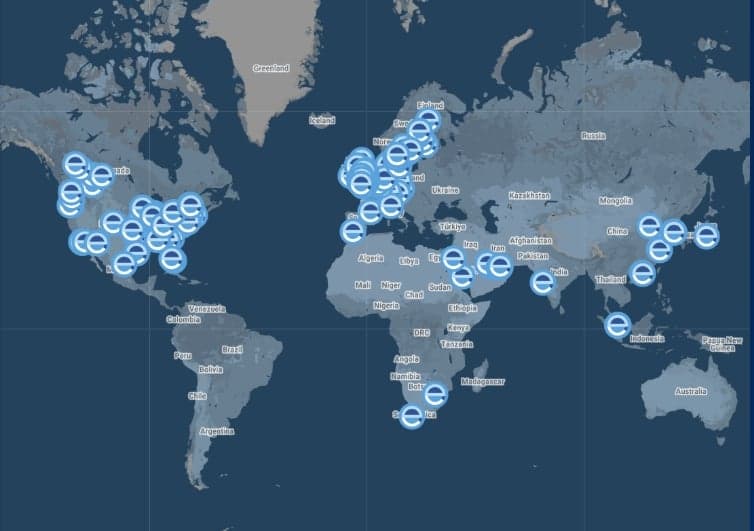
Explore our global network of labs and find your nearest location
VIEW ALL LOCATIONSRelated services
Engineering Critical Assessment (ECA) Services
Ensure structural integrity with Element's Engineering Critical Assessment services. Our global experts deliver comprehensive consultation, testing and analysis to optimize repairs, reduce costs, and meet safety standards.
Oil and Gas Corrosion Testing Services
Element's oil and gas corrosion testing identifies material vulnerabilities, supports compliance, and prevents failures through advanced simulation, predictive modeling, and testing in extreme environments.

Corrosion Inhibitor Testing
Element provides corrosion inhibitor testing to help industries prevent failures, extend infrastructure lifespan, and meet compliance standards by simulating real-world environmental conditions and evaluating inhibitor effectiveness.
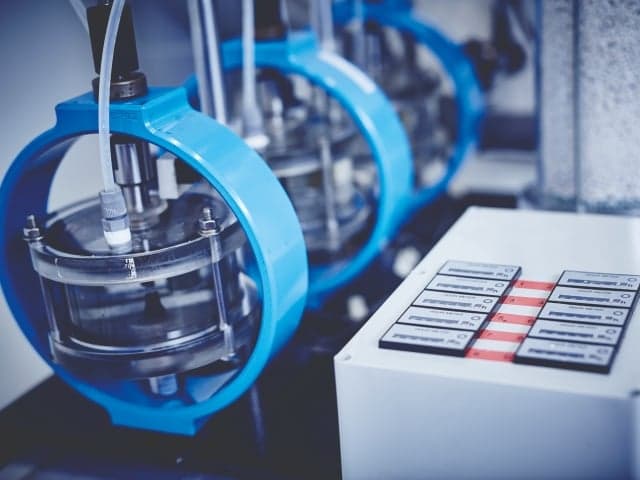
Sulfide Stress Cracking (SSC) Testing Services
Prevent catastrophic pipeline failures with Element's ISO/IEC 17025-accredited Sulfide Stress Cracking testing services. Our global experts detect early SSC risks in sour service environments using proprietary methods and NACE-compliant protocols.
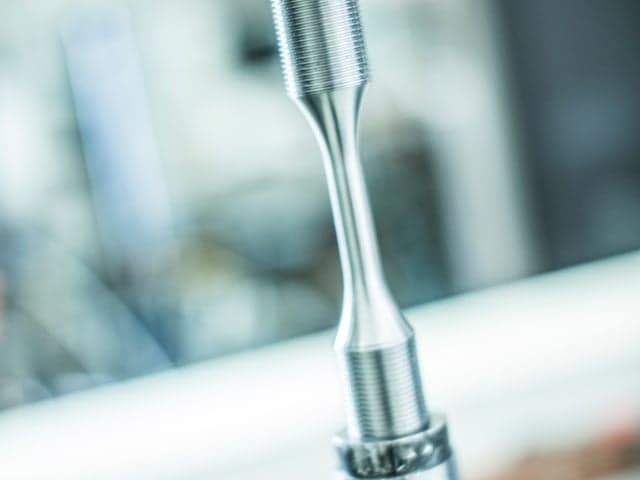
Slow Strain Rate Testing (SSRT) Services
Element's Slow Strain Rate Testing (SSRT) assesses material susceptibility to stress corrosion cracking and hydrogen embrittlement, providing critical insights for material selection and long-term performance in harsh environments.
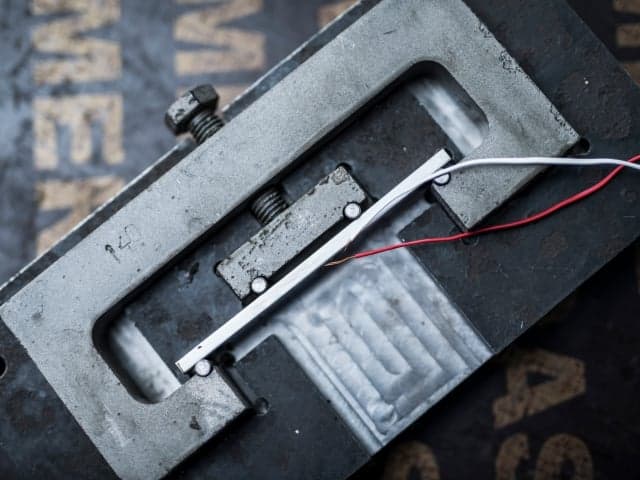
Stress Corrosion Cracking (SCC) Testing
Element's stress corrosion cracking testing identifies material vulnerabilities early, preventing sudden failures. Our specialized analysis replicates real-world conditions to enhance reliability, safety, and compliance across critical industries. Learn More.
Related Articles and Events

Speak to our team of experts
Fracture and Fatigue
In this Fracture and Fatigue video we explain how, through exposure, we analyze engineering components to determine their structural integrity.