
Root Cause Analysis for the Oil & Gas Industry
When asset failure strikes in oil and gas operations, you need rapid, comprehensive analysis backed by proven expertise. Element's root cause analysis services combine advanced testing capabilities with highly accessible expert metallurgists and engineers to deliver detailed insights that minimize downtime and protect your business. From immediate failure investigation through to litigation support, we provide end-to-end partnership with established chain-of-evidence procedures and global laboratory support.
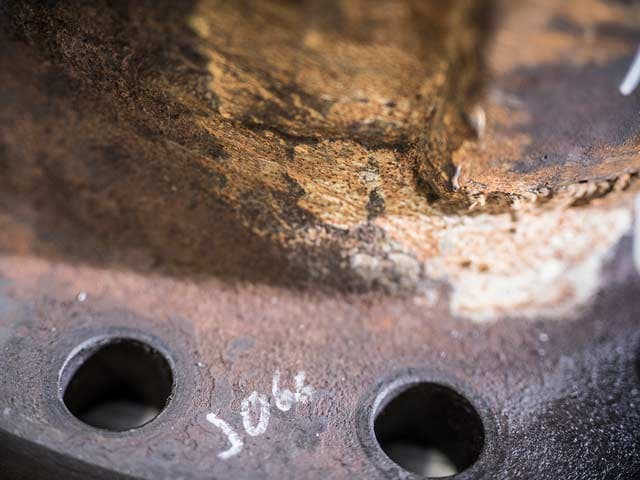
What is Root Cause Analysis for the Oil & Gas Industry?
Root cause analysis is a systematic process of identifying the primary cause of equipment or component failure. At Element, we provide comprehensive failure analysis services specifically tailored to oil and gas industry challenges, from pipeline failures to drilling equipment breakdowns.
The first step to root cause analysis is to develop a thorough understanding of the failed component’s service environment. We can then advise on preventative and corrective actions.
Since polymeric materials such as elastomers, thermoplastics, and composites are widely used in oilfield equipment, we specialize in non-metallic failure analysis.
What Can Element Offer You For Root Cause Analysis for the Oil & Gas Industry?
Key tests offered
Key tests offered
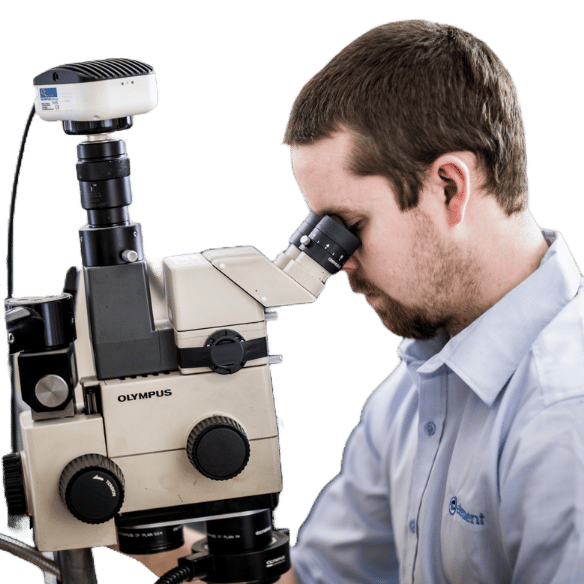
Element's qualified metallurgists, chemists, materials scientists, and engineers analyze failures through multiple modes, including fractography, investigative chemistry, and residue analysis, each with distinct characteristics that inform our understanding of the failure mechanism.
- Fractography services:
- Fatigue fracture analysis, examining all three stages: crack initiation (Stage I), propagation (Stage II), and final separation (Stage III), with particular attention to fatigue striations in high-cycle fatigue
- Cleavage examination, analyzing river patterns, feather markings, and chevron patterns characteristic of low-energy fractures
- Dimple rupture analysis for overload failures, focusing on microvoid coalescence patterns
- Decohesive rupture investigation for cases involving hydrogen embrittlement, stress corrosion cracking, and creep
- Investigative chemistry services for material composition
- Fourier Transform Infrared Spectroscopy (FTIR Analysis)
- Gas Chromatography/Mass Selective Detection (GC/MSD)
- Scanning Electron Microscopy (SEM)with Energy Dispersive X-Ray Spectrometry (EDS)
- Optical Emission Spectrometry (OES)
- Differential Scanning Calorimetry (DSC)
- Residue analysis for mysterious stains, discolorations, deposits or evidence of corrosion
- Expert witness services for litigation support
Components and materials we test
Components and materials we test
We analyze a comprehensive range of metallic and non-metallic materials including wrought metals, cast metals, powder metals, steels, aluminum, nickel, titanium, copper, magnesium, molybdenum, carbon steel, polymers, rubbers, elastomers, and composites. Our expertise spans upstream, midstream, and downstream applications.
Methods and solutions offered
Methods and solutions offered
Our approach combines detailed forensic inspection, component measurement, material characterization, and material-fluid compatibility assessment. We employ chain-of-evidence procedures and provide comprehensive documentation to support potential litigation needs.
Cutting-edge equipment we use
Cutting-edge equipment we use
- Fourier Transform Infrared Spectroscopy (FTIR Analysis)
- Gas Chromatography/Mass Selective Detection (GC/MSD)
- Scanning Electron Microscopy (SEM) with Energy Dispersive X-Ray Spectrometry (EDS)
- Optical Emission Spectrometry (OES)
- Differential Scanning Calorimetry (DSC)
Which labs we offer this service at
Which labs we offer this service at
Our expert team operates from energy hubs across the world, providing global access to our end-to-end capabilities. Find out where your nearest energy hub is on our Locations Page.
Standards we test to and materials we test
- Wrought metals
- Cast metals
- Powder metals
- Carbon steel
- Steels
- Aluminium
- Nickel
- Titanium
- Copper
- Magnesium
- Molybdenum
- Polymers
- Rubbers
- Elastomers
- Composites
- Pipelines
- Drilling equipment
- Pumps
- Valves
- Seals
- Compressors
- Plate heat exchangers
- Packers
- BOP (Blow Out Preventers)
- Subsea and surface test trees
- Liner hangers
- Well tractors
- Swivels
- Hoses (bunker, choke/kill, sampling, diesel & potable water transfer, umbilical)
Your Challenges, Our Solutions
Time pressure for answers
Preventing future equipment failures
Legal and liability concerns
Complex analysis requirements
Why Choose Element
Global expertise, local support
Comprehensive, multi-modal analysis capabilities
Legal support ready
Industry-specific knowledge
Frequently asked questions
What techniques do you use to analyze unknown residues or deposits on components?
We use a combination of analysis techniques including SEM/EDS for elemental composition, XRD for identifying specific compounds, and FTIR for analyzing residues with high carbon levels or those too thin for SEM/EDS analysis. For in-depth analysis, we combine stereomicroscopy, SEM analysis, and metallurgical examination to determine if residues are surface deposits or sub-surface corrosion products.
How do you approach non-metallic failure analysis for oil and gas components?
Our approach starts with gathering critical field data including component location, function, material specifications, service conditions (fluids, temperature, pressure, duration), and design conditions. We then conduct forensic inspection, component measurement, material characterization, material-fluid compatibility assessment, and machining for test specimens as needed.
What are the main fracture modes you analyze and what do they indicate?
We analyze four principal fracture modes: fatigue fracture (showing characteristic striations from repetitive loading), cleavage fracture (exhibiting river patterns and chevron markings), dimple rupture (indicating overload through microvoid coalescence), and decohesive rupture (showing evidence of atomic bond weakening through processes like hydrogen embrittlement or stress corrosion cracking).
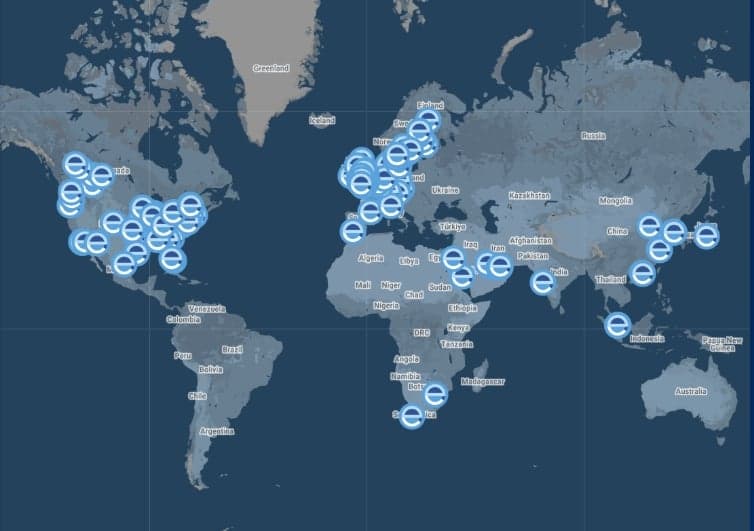
Explore our global network of labs and find your nearest location
VIEW ALL LOCATIONSRelated services
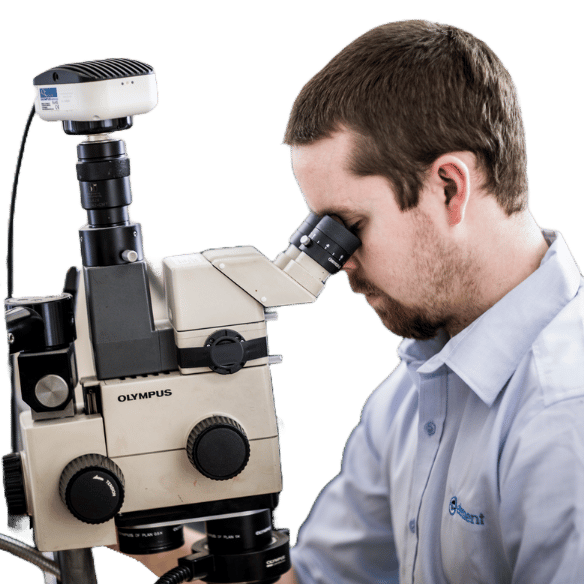
Oil and Gas Corrosion Testing Services
Element's oil and gas corrosion testing identifies material vulnerabilities, supports compliance, and prevents failures through advanced simulation, predictive modeling, and testing in extreme environments.
Oil and Gas Testing
Element offers a wide range of Oil & Gas testing services, including mechanical and NDT testing, structural and corrosion testing, and failure analysis. Learn more.
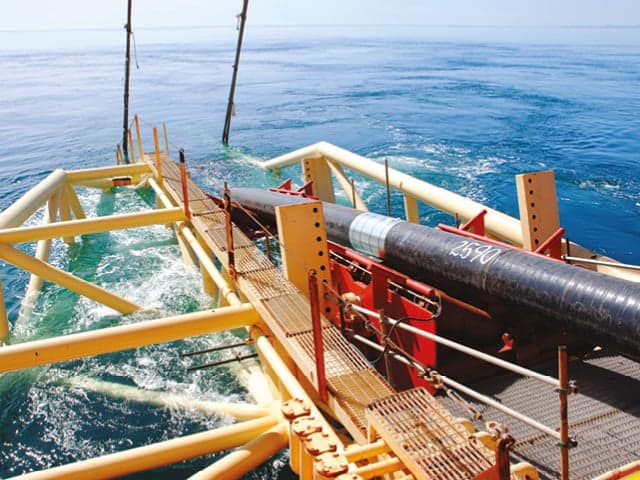
Energy Coatings Testing Services
Protect your critical energy assets with Element's specialized coatings testing. We simulate extreme offshore and pipeline conditions to validate performance, prevent costly failures, and ensure compliance. Learn More.
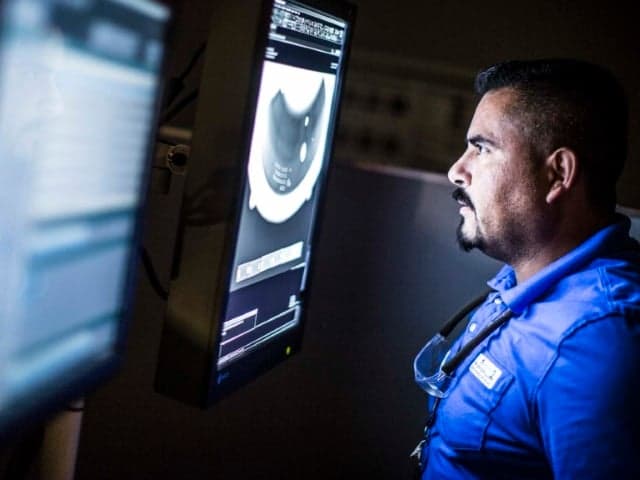
Failure Analysis Services
Need expert Failure Analysis Services? Identify root causes fast with Element's advanced testing, global reach, and rapid turnaround. Get expert insights today.
Fractography Analysis
Expert fractography analysis identifies material and engineering failure causes, offering detailed reports and guidance to address challenges in product durability and performance.