
Shelf Life Testing
Maximize product quality and extend market reach with scientifically validated shelf life dates. From foods and supplements to pet products, get precise expiration data across all storage conditions. Protect your brand reputation and meet regulatory requirements with comprehensive stability testing tailored to your specific packaging needs.

What is Shelf Life Testing at Element?
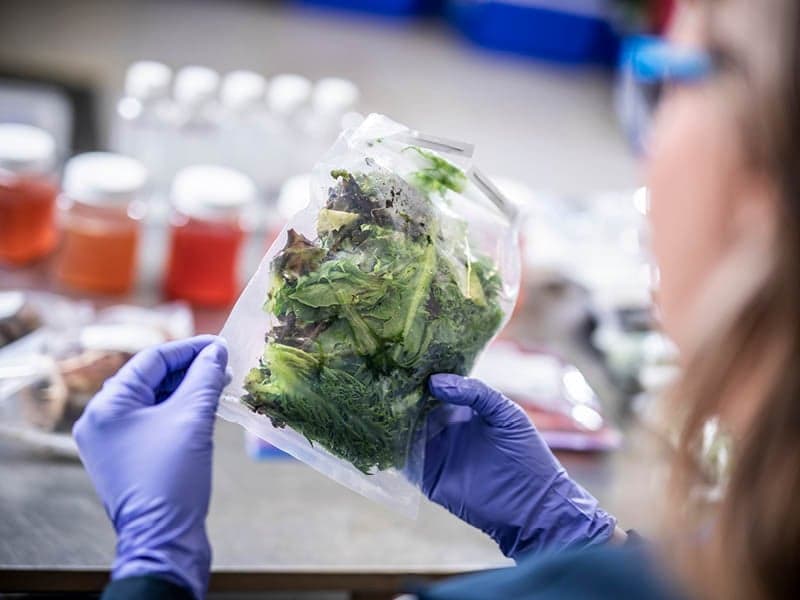
Shelf life testing determines how long products maintain their quality, safety, and functional properties under recommended storage conditions. To comply with regulatory (local, state, and federal) and retailer requirements, a wide range of products, including foods and beverages, pet food and animal feed, supplements, nutraceuticals and more, must undergo shelf-life testing to determine expiration dates, best-by dates, and sell-by dates. At Element, we provide comprehensive testing across frozen, refrigerated, and ambient storage conditions, helping you validate product stability and comply with regulatory requirements.
What Can Element Offer You For Shelf Life Testing?

Products we test
Products we test
Get comprehensive testing across multiple packaging configurations and storage environments. Our facilities accommodate everything from traditional packaging to advanced solutions including vacuum-sealed, modified atmosphere, freeze-dried, and reduced oxygen packaging. Access temperature-controlled testing environments for frozen, refrigerated, and ambient storage conditions, giving you complete confidence in your product's stability across all storage scenarios.
Key tests offered
Key tests offered
Access complete stability analysis through microbiological, chemical, and physical testing. Our studies evaluate crucial factors including spoilage indicators, water activity, pH levels, and rancidity while validating label claims and monitoring product degradation patterns. Comprehensive microbiological testing includes Aerobic Plate Count, Total Coliform Count/E. coli, Yeast and Molds, and Psychrotrophic bacteria analysis, providing complete visibility into your product's stability.
The following critical factors are typically considered when developing and tailoring shelf-life testing protocols:
- Microbiological risk parameters
- Spoilage indicator organisms
- Water activity and pH
- Label claims
- Rancidity
Methods and solutions offered
Methods and solutions offered
Receive customized testing protocols designed for your specific product needs. From standard shelf life studies to accelerated testing and microbial challenge studies, our solutions help you understand product stability and improve formulations. Get support for R&D initiatives, validate reformulations, and verify shelf life extensions with scientifically robust methodologies that align with your business goals.
Which labs offer this service
Which labs offer this service
Our team operates from Life Sciences hubs across the world, providing global access to our expert capabilities. Find your nearest Life Sciences hub on our Locations Page.
Microbial challenge expertise
Microbial challenge expertise
Benefit from specialized microbial challenge studies for new products entering the market. Our comprehensive analysis identifies potential spoilage risks and validates safety parameters before launch, protecting your brand reputation and supporting successful product introductions. Get detailed insights into product behavior under various conditions to optimize your formulations.
Standards we test to and products we test
- ISO
- CTFA
- Colipa
- USDA
- FDA protocols
Food Products
- Ready-to-eat prepared foods
- Dairy products
- Deli salads and sandwiches
- Fresh fruits and vegetables
- Processed meats and cheeses
- Breads and baked goods
Non-Food Products
- Pet food
- Animal feed
- Dietary supplements
- Nutraceuticals
Your Challenges, Our Solutions

Regulatory compliance made simple
Quality assurance you can trust
Precise date coding backed by data
Brand protection
Why Choose Element

Global testing network
Scientific expertise
Comprehensive solutions
Custom testing programs
Frequently asked questions
What is a product's shelf life?
The timeframe during which your product maintains its sensory, functional, physical, and microbiological properties under recommended storage conditions. Every food product has a unique shelf life that depends on its specific storage conditions. Understanding this period is crucial for maintaining product quality and safety throughout its market lifecycle.
Why do I need a shelf-life study?
Shelf-life studies are essential for customer satisfaction and brand protection. They provide critical data about how storage conditions affect your product quality over time and deliver valuable insights to R&D teams for formulation improvement. While dates aren't required by US federal law (except for infant formula), many states adopt the FDA Food Code guidelines for retailers. These guidelines affect both federally inspected facility products and in-store produced items. Additionally, many international markets, including the UK, Europe, Australia, and New Zealand, have specific governmental requirements for shelf-life validation.
What can a shelf-life study tell me?
A comprehensive shelf-life study reveals the exact point at which your product no longer meets acceptability standards under specific storage temperatures. Beyond basic timeframes, it demonstrates whether your product meets or exceeds your company's standards and customer expectations for high-quality products. You'll receive detailed information about physical, chemical, and microbiological changes over time – all factors that can affect your product's sensory quality and market success.
Can shelf-life studies determine food safety?
Most shelf-life studies focus on spoilage indicators rather than absolute safety measurements. Your products typically show signs of spoilage before they become unsafe from pathogen growth. This happens because spoilage bacteria, yeasts, and molds compete with pathogens for nutrients, naturally reducing the likelihood of pathogen growth and potential toxin formation. While spoilage can impact sales and brand reputation, your product's safety primarily relies on robust Good Manufacturing Practices (GMPs), Hazard Analysis Critical Control Points (HACCP) plans, and Food Safety Plans that address potential pathogen contamination.
When do I need to run a shelf-life study?
Schedule shelf-life studies during key product development and modification phases:
- New product development
- Product reformulation
- Process changes
- Shelf life extensions
- Validation of current shelf life claims
Each scenario requires specific testing approaches to validate stability and quality maintenance.
What tests do you need for shelf-life studies?
This depends on the product and storage conditions – a knowledgeable food microbiologist can help you determine the most appropriate tests. Typically, shelf-life studies test for spoilage organisms:
- Aerobic Plate Count (APC) – A general indicator of overall processing and product quality.
- Total Coliform Count/E. coli – An indicator of proper processing and product handling after processing (e.g., using cleaned and sanitized equipment, gloved hands, immediate refrigeration/freezing storage, etc.).
- Yeast and Molds – Spoilage indicators of many perishable foods (e.g., fruits and vegetables, processed meats and cheeses, breads, etc.).
- Psychrotrophic Plate Count – Psychrotrophic bacteria only grow at refrigerated temperatures and lead to product spoilage.
- pH – A measurement of how acidic a product is, which influences food safety and quality. The growth of foodborne pathogens can be prevented when acidity levels are sufficient.
- Water Activity (aw) – Determines how much free available water is present in food for microbial growth. Low-water activity foods include crackers, cookies, and spices while high-water activity foods include milk, fresh fruits and vegetables.
How can I maximize my product's shelf life?
Optimize your product's shelf life through multiple strategies:
- Select high-quality raw ingredients
- Use processed ingredients for enhanced safety (e.g., pasteurized eggs instead of raw)
- Implement acidification to achieve pH below 4.6
- Reduce water activity (aw) below 0.85 through salt, sugar, or drying
- Add appropriate preservatives for mold control
- Maintain proper refrigeration for perishable items
- Apply preservation methods like pasteurization, cooking, drying, high pressure pasteurization (HPP), or thermal processing in hermetically sealed containers
What's the difference between "sell by" and "best by" statements?
"Sell by" dates typically apply to microbiologically sensitive products formulated without preservatives. These products usually have neutral pH and high water activity, making them susceptible to pathogen and spoilage bacteria growth. Examples include dairy products and ready-to-eat prepared deli items. "Best by" dates indicate quality timeframes for products formulated with safety measures in place. These products aren't considered microbiologically sensitive, and while quality may decline after the date, safety isn't immediately compromised. Examples include spices, breads, and hard cheeses. Always verify specific labeling requirements with local and state regulations.

Explore our global network of labs and find your nearest location
VIEW ALL LOCATIONSRelated services

Nutrition Label Testing
Element provides FDA- and USDA-compliant nutritional label testing, verifying product claims with precise analysis. Our tailored approach eliminates unnecessary tests, delivering accurate, cost-effective results.

Food Microbiology Testing Services
Element provides fast, accurate food microbiology testing for pathogens, spoilage organisms, and mycotoxins, supporting food safety programs with ISO/IEC 17025 accreditation and expert analysis.
Food Quality and Safety Testing
Offering accredited food safety and quality testing since 1984, Element helps food producers meet regulatory standards, reduce risks, and improve product quality through expert chemical and microbiological analysis.

Food Allergen Testing
Our network of ISO/IEC 17025-accredited food allergen testing labs offer complete allergen testing to ensure foods, raw materials, dietary supplements and nutraceuticals do not contain undeclared allergens.