Corrosion Testing Services
Protect your assets and prevent costly failures with ISO/IEC 17025-accredited corrosion testing that delivers actionable insights. Make informed material selections, maintain compliance with international standards, and keep operations running smoothly through specialized testing that replicates your unique environmental conditions and prevents unexpected downtime.
What is Corrosion Testing at Element?
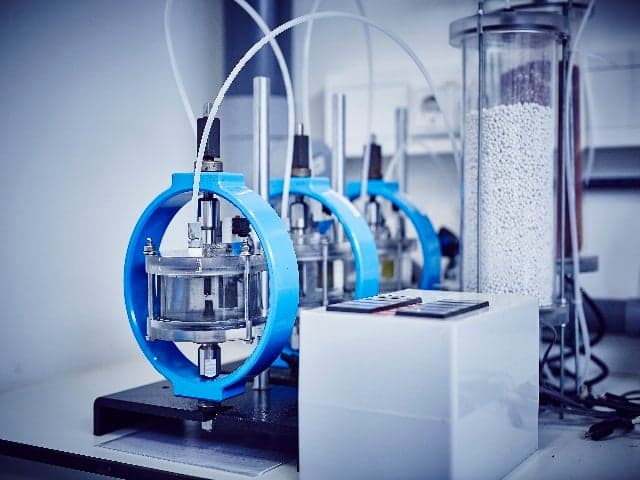
Corrosion testing evaluates how materials degrade under specific environmental conditions, identifying potential issues before they lead to equipment failure. At Element, we provide comprehensive ISO/IEC 17025-accredited corrosion testing services across our global network of laboratories, helping you assess materials, qualify welds, and improve safety while meeting rigorous industry standards for multiple sectors including Oil & Gas, Aerospace, and Medical Devices.
What Can Element Offer You For Corrosion Testing?
Key tests offered
Key tests offered
Element provides a wide range of corrosion testing services for various industries, including Oil & Gas, Aerospace, Medical Devices, and Transportation. We offer both lab-based and on-site testing services to help with evaluations, material selection, assessments, and proactive mitigation measures. Our services cover everything from developing advanced corrosion-resistant materials to monitoring production parts.
Our extensive testing portfolio provides detailed insights into corrosion behavior through standardized and specialized methods, giving you crucial data for informed decisions. Our services include, but are not limited to:
- Accelerated Corrosion Testing (ACT)
- Advice and guidance
- Assessing materials for resistance to crack propagation
- ASTM G48 pitting and crevice corrosion testing
- Corrosion failure analysis
- Corrosion fatigue
- Corrosion testing and evaluations
- Dezincification resistance test in accordance with ISO 6509
- Electrochemical corrosion testing
- Galvanic corrosion testing
- GMW 3172 cyclic corrosion testing
- Intergranular corrosion testing
- Material selection
- MFG testing mixed flowing gas
- Salt spray testing
- SCC stress corrosion cracking test
- Simulated service environments: sour, sweet, brines, seawater
- SSRT slow strain rate testing
- Weld corrosion testing
Intergranular corrosion testing expertise
Our specialized intergranular corrosion (IGC) testing identifies issues in material processing and highlights areas for improvement. Using methods including ASTM A262, ASTM G28, and ASTM A763, we evaluate material degradation along grain boundaries that can result from sensitization during thermal processing or welding. This testing reveals subtle corrosion mechanisms that may not be immediately visible but could lead to significant loss of material strength and integrity over time.
Materials and components we test
Materials and components we test
We test a comprehensive range of metallic and non-metallic materials used in critical applications across multiple industries. Our specialized capabilities evaluate various material types including:
- Stainless steels (austenitic, duplex, and ferritic grades)
- Nickel alloys for demanding environments
- Aluminum alloys susceptible to specific corrosion mechanisms
- Copper alloys including those requiring dezincification testing
- Components with welds and thermal processing that may affect corrosion resistance
- Production parts requiring qualification for corrosive service conditions
Methods and solutions offered
Methods and solutions offered
We deliver tailored corrosion testing solutions using global testing standards while accommodating your unique requirements. Our comprehensive methodology includes:
- Simulated service environments (sour, sweet, brines, seawater)
- Accelerated corrosion testing to predict long-term performance
- Electrochemical evaluation techniques for detailed analysis
- Specialized intergranular corrosion evaluations of sensitized materials
- Stress corrosion cracking assessments under various conditions
- Slow Strain Rate Testing (SSRT) for material qualification
- Dezincification resistance testing per ISO 6509
- Corrosion failure analysis to identify root causes and prevent recurrence
- Material selection guidance based on testing results
Our intergranular corrosion test methods:
Austenitic and Duplex Stainless Steels
- ASTM A262 Practice, A, B, C, E, F
- ASTM G108
- ISO 3651
Ferritic Stainless Steels
- ASTM A763 Practices, W, X, Y, Z
Nickel Alloys
- ASTM G28 Method A & B
Aluminum Alloys
- ASTM G67
- ASTM G110
Which labs offer this service
Which labs offer this service
Our team operates from Materials Testing labs across the world, providing global access to our expert capabilities. Find your nearest Materials Testing lab on our Locations Page.
Standards we test to and materials we test
SAE International: AMS 2303, AMS 2633, AMS 2700, AMS 7250, AMS 7253, AMS-QQ-P-35, AMS-STD-753, SAE J1389, SAE J1455, SAE J2334
American Society for Testing and Materials: ASTM A262, ASTM A380, ASTM A763, ASTM A923, ASTM A967, ASTM B117, ASTM B154, ASTM B380, ASTM B449, ASTM D1654, ASTM D1735, ASTM D1838, ASTM D2247, ASTM D3359, ASTM D5894, ASTM D610, ASTM D6899, ASTM D714, ASTM F737, ASTM F838, ASTM F879, ASTM F880, ASTM F1089, ASTM F1875, ASTM F2111, ASTM G1, ASTM G110, ASTM G112, ASTM G28, ASTM G3, ASTM G31, ASTM G34, ASTM G36, ASTM G38, ASTM G44, ASTM G46, ASTM G47, ASTM G48, ASTM G49, ASTM G61, ASTM G66, ASTM G67, ASTM G85
NACE: NACE TM0169, NACE TM0177, NACE TM0198, NACE TM0284, NACE TM0316
International Organization for Standardization: ISO 20340, ISO 3506, ISO 365-1, ISO 3651-1, ISO 3651-2, ISO 6509, ISO 9227
British Standards, Euronorm, Military Specifications, Ford, GM, UL standards and many others
Stainless steels
- Austenitic stainless steels
- Duplex stainless steels
- Ferritic stainless steels
Nickel alloys
- Various nickel-based alloy systems
- Alloys for high-temperature applications
Aluminum alloys
- Commercial aluminum alloys
- Alloys susceptible to intergranular attack
Copper alloys
- Alloys susceptible to dezincification
Components
- Welded joints and assemblies
- Production parts for various industries
- Critical equipment for corrosive environments
Materials for specialized applications
- Materials for sour service (H2S-containing environments)
- Materials for subsea and marine applications
- Materials for high pressure and high temperature conditions
Your Challenges, Our Solutions

Material reliability verification
Global compliance complexities
Material selection for corrosive environments
Production continuity through failure prevention
Element Experts at your service

Why Choose Element

Expert Material Selection Guidance
Tailored Corrosion Testing
Innovative Testing Solutions
Specialists in Sour Service
But don't just take our word for it
See what others want to say about partnering with Element
Frequently asked questions
What is intergranular corrosion and why does it matter?
Intergranular corrosion occurs along grain boundaries in metallic materials after exposure to corrosive environments. Though not immediately visible, it can cause significant loss of strength and integrity. Thermal processing and welding can influence susceptibility through sensitization, making testing critical for preventing unexpected failures in critical applications.
How do you test materials for sour service applications?
We test materials for sour service using specialized methods including Hydrogen Induced Cracking (HIC) testing and Sulfide Stress Cracking (SSC) evaluations according to NACE standards. These tests help qualify materials for environments containing hydrogen sulfide, ensuring they maintain integrity under these aggressive conditions commonly found in oil and gas applications.
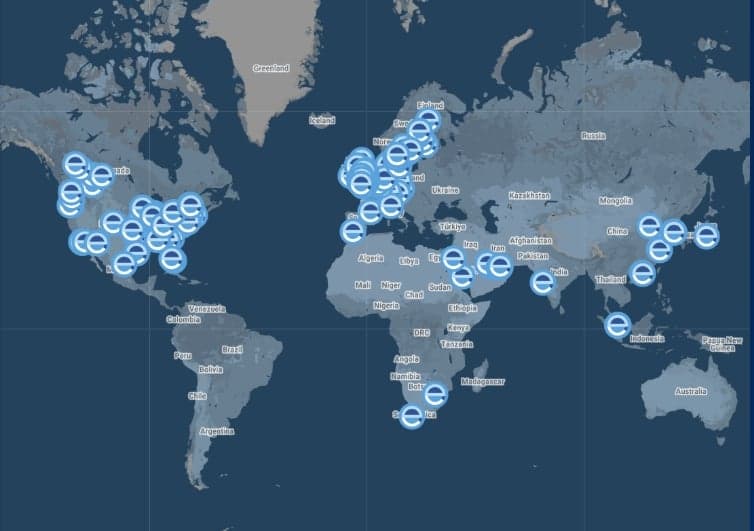
Explore our global network of labs and find your nearest location
VIEW ALL LOCATIONSRelated services

ASTM F519 Hydrogen Embrittlement (HE) Testing Services
Element's ASTM F519 hydrogen embrittlement testing evaluates material performance under tensile stress, identifying vulnerabilities in high-strength steels and alloys to prevent failures in aerospace, automotive, and energy applications.
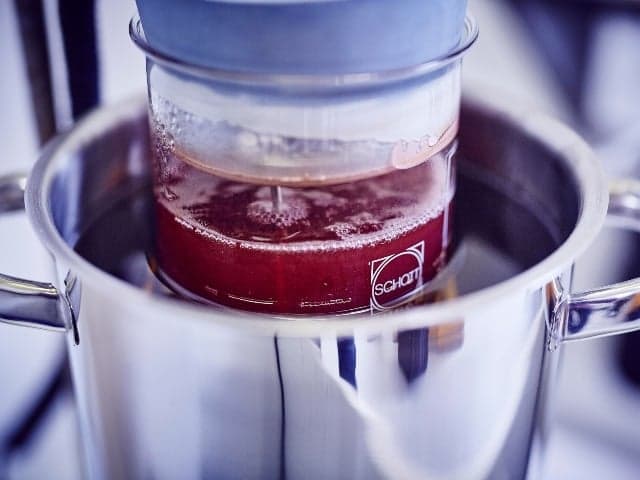
Corrosion Inhibitor Testing
Element provides corrosion inhibitor testing to help industries prevent failures, extend infrastructure lifespan, and meet compliance standards by simulating real-world environmental conditions and evaluating inhibitor effectiveness.

Hydrogen Induced Cracking (HIC) Testing
Prevent critical equipment failure with our fast-turnaround Hydrogen Induced Cracking Testing. Expert NACE-compliant analysis ensures your oil & gas components are safe for sour service environments.
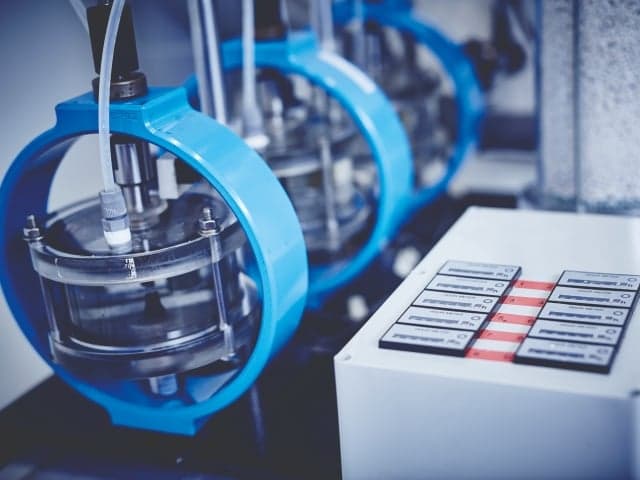
Sulfide Stress Cracking (SSC) Testing Services
Prevent catastrophic pipeline failures with Element's ISO/IEC 17025-accredited Sulfide Stress Cracking testing services. Our global experts detect early SSC risks in sour service environments using proprietary methods and NACE-compliant protocols.
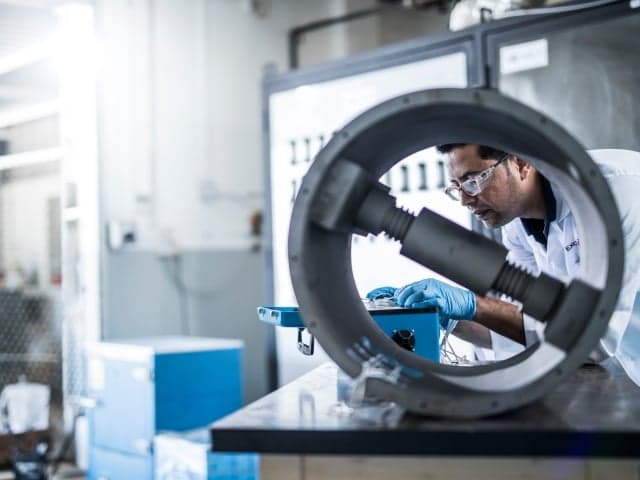
Sour Service Corrosion Testing for NACE MR0175/ISO 15156 Compliance
Element provides industry-leading sour service corrosion testing, helping oil and gas companies mitigate corrosion risks, comply with NACE MR0175/ISO 15156, and enhance material reliability in challenging environments.
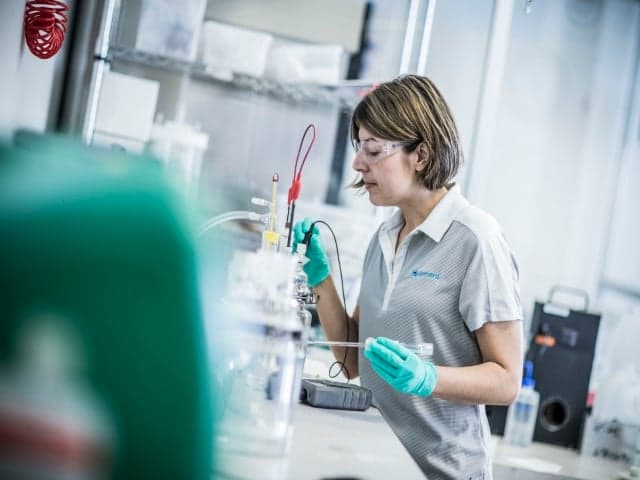
Electrochemical Corrosion Testing
Element offers electrochemical corrosion testing to identify material risks, enhance durability, and support informed material selection across industries.
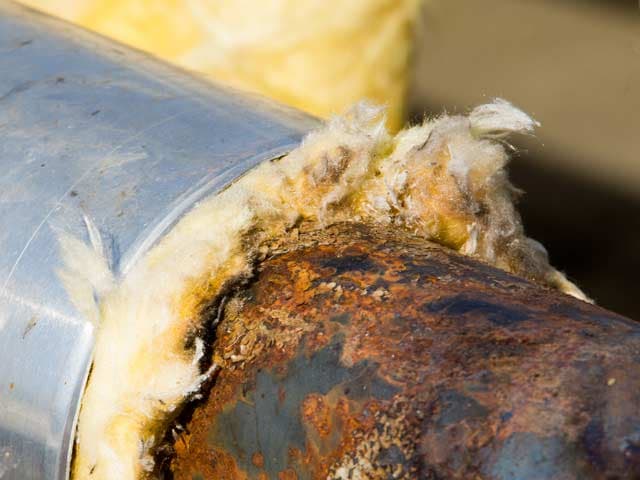
CUI Inspection - Corrosion Under Insulation
Identify hidden corrosion under insulation before it leads to costly failures. Element's advanced CUI inspection protects infrastructure & extends equipment life, meeting industry standards. Learn More.
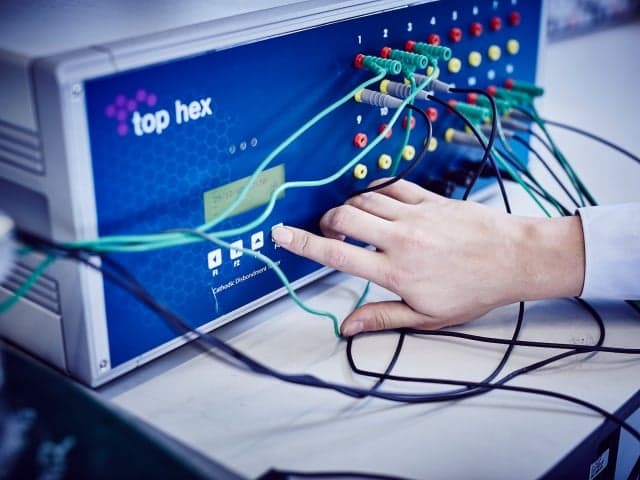
Galvanic Corrosion Testing
Element's galvanic corrosion testing helps you assess material compatibility, prevent failures, and develop effective corrosion protection strategies through advanced electrochemical analysis and real-world environmental simulations.
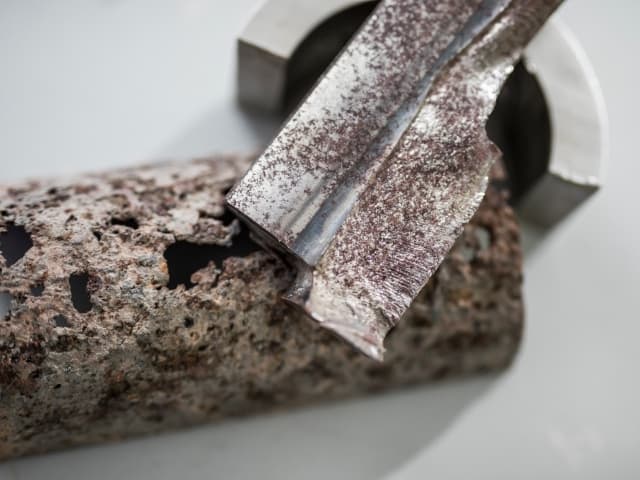
Pitting and Crevice Corrosion Testing
Element provides pitting and crevice corrosion testing to assess material durability, identify hidden vulnerabilities, and support industry compliance using advanced testing methods tailored to real-world environmental conditions.
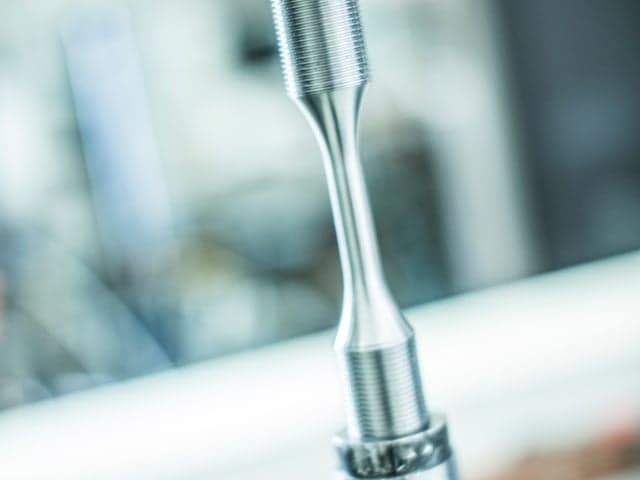
Slow Strain Rate Testing (SSRT) Services
Element's Slow Strain Rate Testing (SSRT) assesses material susceptibility to stress corrosion cracking and hydrogen embrittlement, providing critical insights for material selection and long-term performance in harsh environments.
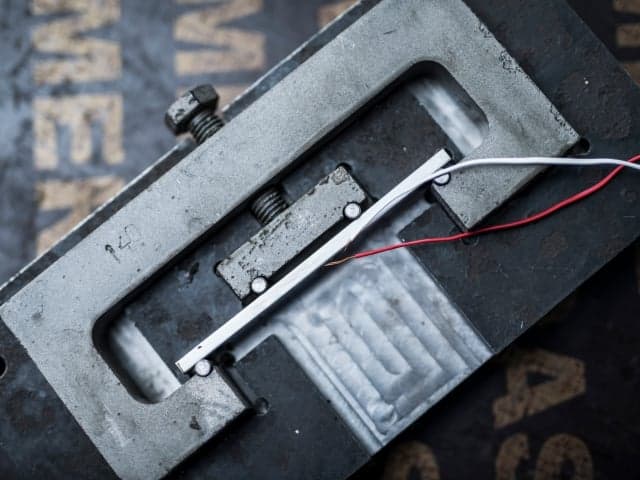
Stress Corrosion Cracking (SCC) Testing
Element's stress corrosion cracking testing identifies material vulnerabilities early, preventing sudden failures. Our specialized analysis replicates real-world conditions to enhance reliability, safety, and compliance across critical industries. Learn More.
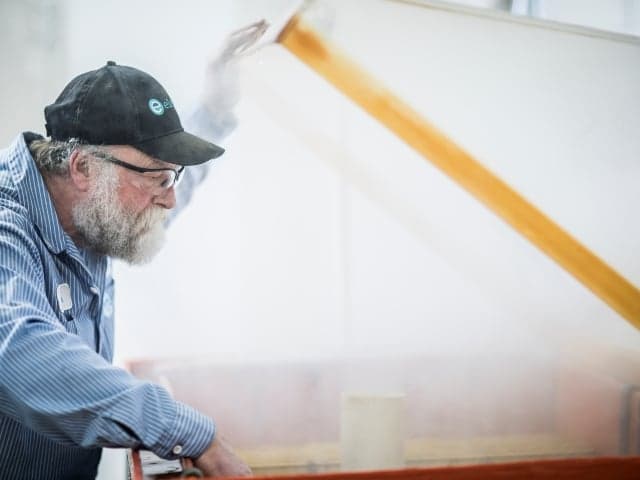
ISO 12944 Testing - Steel Corrosion Protection
Protect your steel structures from costly corrosion damage with Element's ISO 12944 testing services. Get expert testing across all corrosivity categories, ensuring compliance with international standards and long-term durability. Learn more.
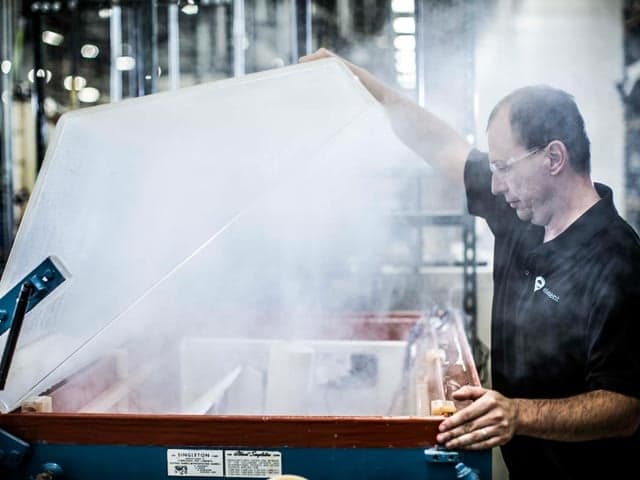
Salt Spray Testing
Ensure corrosion resistance with Element’s salt spray (salt fog) testing. Get accurate, reliable results and customized conditions for your specific needs. Learn more now!
- ASTM F519 Hydrogen Embrittlement (HE) Testing Services
- Corrosion Inhibitor Testing
- Hydrogen Induced Cracking (HIC) Testing
- Sulfide Stress Cracking (SSC) Testing Services
- Sour Service Corrosion Testing for NACE MR0175/ISO 15156 Compliance
- Electrochemical Corrosion Testing
- CUI Inspection - Corrosion Under Insulation
- Galvanic Corrosion Testing
- Pitting and Crevice Corrosion Testing
- Slow Strain Rate Testing (SSRT) Services
- Stress Corrosion Cracking (SCC) Testing
- ISO 12944 Testing - Steel Corrosion Protection
- Salt Spray Testing