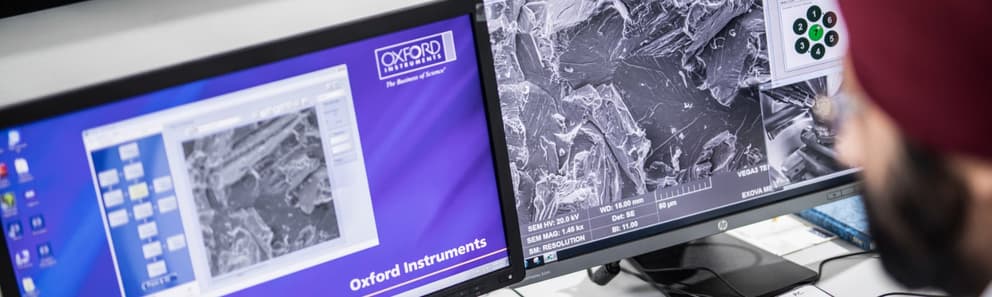
ASTM F519 Hydrogen Embrittlement (HE) Testing Services
Prevent costly failures with Element’s precise ASTM F519 hydrogen embrittlement testing. Serving Energy, Aerospace, and Automotive sectors, we ensure your critical metals withstand hydrogen damage, backed by expert analysis and full compliance support.

What is Hydrogen Embrittlement (HE) Testing at Element?
Hydrogen embrittlement (HE) testing evaluates material performance under tensile stress in corrosive environments by measuring changes in ductility caused by hydrogen absorption. HE occurs when metals absorb hydrogen, commonly during plating, coating, or corrosion, which can cause premature failure under static or sustained loads. Hydrogen can enter metals during plating, coating, corrosion, or manufacturing, leading to premature failure under sustained loads. Our expert team can assess both internal HE (from manufacturing) and environmental HE (from service) to ensure material reliability.
What Can Element Offer You For ASTM F519 Hydrogen Embrittlement (HE) Testing Services?
Key tests offered
Key tests offered
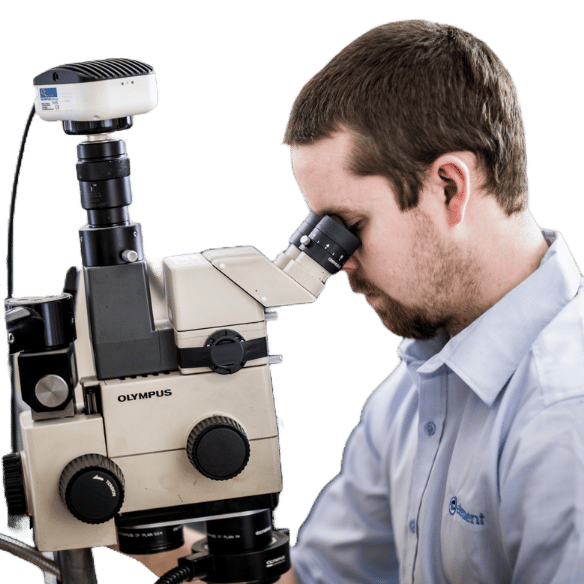
Element's specialized tests include Sustained Load Testing (SLT) with uniaxial tension for up to 200 hours, following ASTM F519 guidance which also covers evaluation of surface preparation, pretreatment, and plating/coating processes critical to hydrogen embrittlement susceptibility. We also conduct Galvanically Induced Hydrogen Stress Cracking tests according to NACE MR0175/ISO 15156 and Hydrogen Induced Stress Cracking assessments for subsea applications.
- Sustained Load Testing (SLT) with uniaxial tension for up to 200 hours
- Surface preparation, pretreatment, and coating/plating process evaluation
- Galvanically Induced Hydrogen Stress Cracking (GHSC) assessment
- Hydrogen Induced Stress Cracking (HISC) for subsea components
- Ductility and toughness evaluations following hydrogen exposure
Materials and components we test
Materials and components we test
Our hydrogen embrittlement testing evaluates a wide range of critical materials vulnerable to hydrogen damage, particularly in high-stress applications. We specialize in testing high-strength steels, plated/coated metal components, and corrosion-resistant alloys used in demanding environments. We specialize in nickel alloys and duplex stainless steels commonly used in subsea components, where hydrogen-induced failures can have catastrophic consequences.
- High-strength steel components vulnerable to hydrogen absorption
- Metal parts subjected to plating, coating, and finishing operations
- Corrosion-resistant alloys used in demanding industrial applications
- Nickel alloys and duplex stainless steels for subsea components
- Critical components under tensile stress in corrosive environments
Methods and solutions offered
Methods and solutions offered
We replicate real-world conditions by applying sustained mechanical loads under controlled environments, including plating and coating assessments. Our methods encompass ASTM F519 Sustained Load Testing (SLT), galvanic coupling evaluations per NACE MR0175/ISO 15156, and subsea Hydrogen Stress Cracking (HISC) testing. Beyond pass/fail results, we deliver predictive insights on lifespan, failure modes, and protective strategies to support material reliability.
Supporting you with Advanced material life prediction
Our testing exceeds pass/fail criteria by offering insights into long-term material performance. We analyze test results to predict how hydrogen absorption impacts component lifespan under real service conditions. This enables informed decisions on material choice, protection, and maintenance, enhancing safety and cost-effectiveness.
- Correlation between test results and field performance expectations
- Analysis of hydrogen absorption thresholds for specific applications
- Assessment of protective measures' effectiveness over time
- Identification of potential failure modes and their warning signs
- Recommendations for extending component service life in challenging environments
Cutting-edge equipment we use
Cutting-edge equipment we use
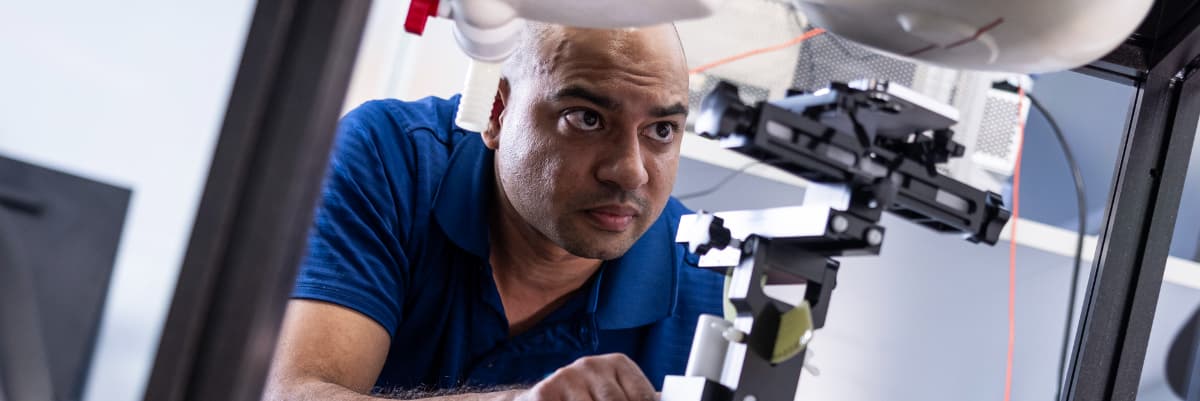
We use precision tensile frames, environmental chambers, advanced monitoring, and specialized galvanic coupling fixtures to replicate service conditions accurately. Regular calibration ensures reliable, consistent results for confident material selection and process qualification.
- Precision tensile loading frames for sustained load testing
- Environmental chambers simulating diverse service conditions
- Advanced monitoring systems for real-time material response analysis
- Specialized fixtures for galvanic coupling evaluations
- Calibrated measurement equipment for accurate property assessment
Which labs offer this service
Which labs offer this service
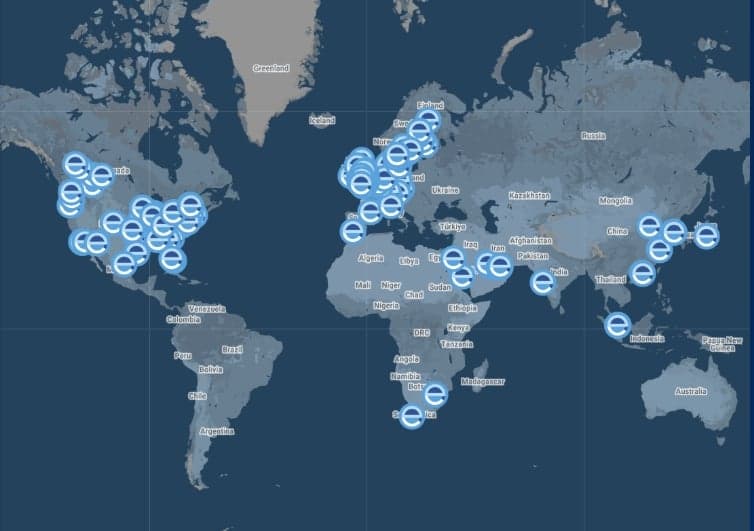
Our team operates from Energy hubs across the world, providing global access to our expert capabilities. Find your nearest Energy hub on our Locations Page.
Standards we test to and components we test
- ASTM F519
- NACE MR0175/ISO 15156
High-strength steels
- Steel materials susceptible to hydrogen embrittlement
- Steel parts with surface preparation and pretreatments
- Plated/coated steel components
Corrosion-resistant alloys
- Nickel alloys
- Duplex stainless steels
- Galvanically coupled metals
- Cathode-coupled metal materials
Industry-specific components
- Subsea oil & gas production equipment
- Critical components for aerospace applications
- Automotive high-stress parts
- Energy sector materials
Your Challenges, Our Solutions
Risk of failures from hydrogen exposure
Preventing hydrogen absorption during manufacturing processes
Confident performance in harsh environments
Navigating complex compliance requirements
Element Experts at your service
Lorem ipsum dolor sit amet, consectetur adipiscing elit, sed do eiusmod tempor incididunt ut labore et dolore magna aliqua


Why Choose Element
Reliable Performance
Improved Safety
Cost Savings
Enhanced Product Quality
Frequently asked questions
Why should I conduct hydrogen embrittlement testing?
Per Element metallurgical failure analysis expert Vikram Nanda: “The greatest benefit of conducting hydrogen embrittlement testing is that it helps to ensure the safety and reliability of critical components that are subject to high stress and exposure to hydrogen, such as those used in the aerospace, automotive, and energy industries."
Explore our global network of labs and find your nearest location
VIEW ALL LOCATIONSRelated services
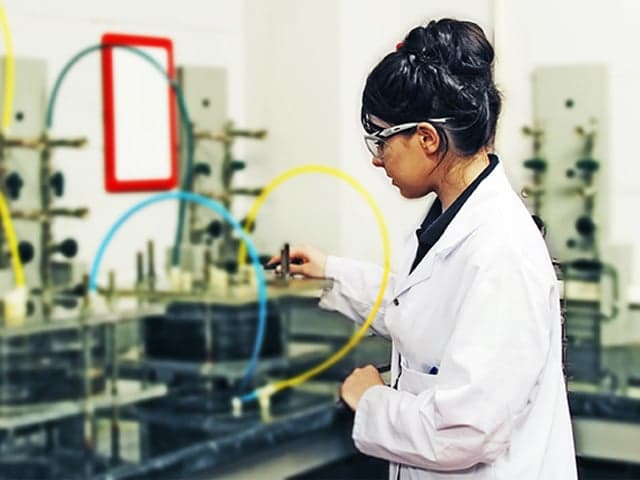
Hydrogen Induced Cracking (HIC) Testing
Prevent critical equipment failure with our fast-turnaround Hydrogen Induced Cracking Testing. Expert NACE-compliant analysis ensures your oil & gas components are safe for sour service environments.
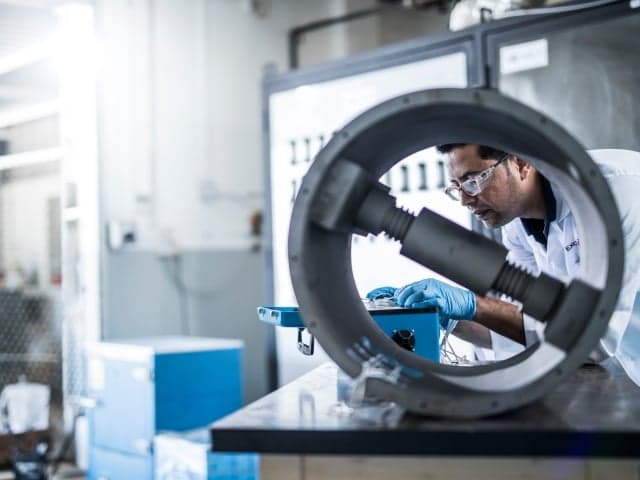
Sour Service Corrosion Testing for NACE MR0175/ISO 15156 Compliance
Element provides industry-leading sour service corrosion testing, helping oil and gas companies mitigate corrosion risks, comply with NACE MR0175/ISO 15156, and enhance material reliability in challenging environments.
Slow Strain Rate Testing (SSRT) Services
Element's Slow Strain Rate Testing (SSRT) assesses material susceptibility to stress corrosion cracking and hydrogen embrittlement, providing critical insights for material selection and long-term performance in harsh environments.
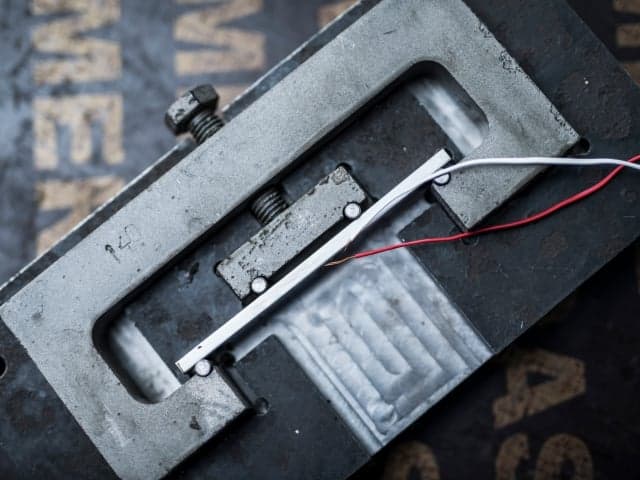
Stress Corrosion Cracking (SCC) Testing
Element's stress corrosion cracking testing identifies material vulnerabilities early, preventing sudden failures. Our specialized analysis replicates real-world conditions to enhance reliability, safety, and compliance across critical industries. Learn More.