Hydrogen Induced Cracking (HIC) Testing
Make informed decisions quickly with fast-turnaround Hydrogen Induced Cracking (HIC) tests from Element. We deliver accurate assessments of your carbon and low alloy steel equipment’s susceptibility to hydrogen induced cracking in wet H2S/sour service operating environments. With our global expertise network and comprehensive analysis measuring CSR, CLR, and CTR ratios, we help Oil & Gas industry clients make critical decisions quickly, in accordance with NACE TM0284 standards.
What is Hydrogen Induced Cracking (HIC) Testing testing at Element
In sour service environments, carbon and low alloy steels may be susceptible to Hydrogen Induced Cracking (HIC). Atomic hydrogen (produced in the presence of water and hydrogen sulfide) enters the steel and recombines at discontinuities to form molecular hydrogen gases. The resultant pressure causes localized internal cracks: HICs.
These either follow a linear or stepwise path (‘stepwise cracking’). Or, under certain stress and material conditions, can be arranged in a ladder-like array, known as Stress Orientated Hydrogen Induced Cracking (SOHIC) – often in the low hardness Heat Affected Zone (HAZ) region of welds.
HIC and SOHIC tests expose test specimens to the specified environment, examining for cracks, and reporting specific ratios to assess crack susceptibility.
At Element, our dedicated corrosion labs carry out comprehensive HIC and SOHIC tests to identify the potential risk of internal cracking.
What can Element offer you for Hydrogen Induced Cracking (HIC) Testing?
Key tests offered
Key tests offered
Element's core services are Hydrogen Induced Cracking (HIC) testing and Stress-Oriented Hydrogen-Induced Cracking (SOHIC) testing. Fitness for purpose testing can be customized to your needs. All tests provide comprehensive crack measurement reporting including CSR, CLR, and CTR ratios. Learn more about our methods below.
Components and materials we test
Components and materials we test
We specialize in testing carbon and low alloy steel equipment designed for sour service environments in the oil & gas industry. Our facilities can test steel pipes, plates, fittings, and flanges used in pipeline and pressure vessel fabrication.
Equipment and components we test include:
- Carbon steel equipment
- Low alloy steel equipment
- Welded assemblies
Methods and solutions offered
Methods and solutions offered
We provide comprehensive testing solutions including metallographic preparation and optical examination of test specimens.
We perform Hydrogen Induced Cracking (HIC) testing according to NACE TM0284 standards, exposing unstressed test specimens to environments saturated with hydrogen sulfide gas for 96 hours at 1 bar pressure.
We perform Stress-Oriented Hydrogen-Induced Cracking (SOHIC) testing to NACE MR0175/ISO 15156 standards using test methods in BS 8701 (Full Ring Test), NACE TM0177-Method A (tensile) or NACE TM0316 (Four Point Bend).
- Fitness for purpose testing can be customized with reduced partial pressures and extended durations up to 30 days.
We provide detailed analysis of crack data with our assessment of your material’s susceptibility to HIC to inform critical manufacturing decisions. Your reports include your material’s Crack Sensitivity Ratio (CSR), Crack Length Ratio (CLR), and Crack Thickness Ratio (CTR).
Which labs offer this service
Which labs offer this service
Our team operates from energy testing hubs across the world, providing global access to our expert capabilities. Find out where your nearest energy testing hub is on our Locations Page.
Standards we test to and materials we test
- HIC testing: NACE TM0284
- SOHIC testing: NACE MR0175/ISO 15156, using test methods in BS 8701 (Full Ring Test), NACE TM0177-Method A (tensile), or NACE TM0316 (Four Point Bend)
We test carbon and low alloy steel equipment designed for sour service environments, particularly in oil & gas applications.
Steel Types:
- Carbon steel
- Low alloy steel
Equipment Forms:
- Pipes
- Plates
- Fittings
- Flanges
Applications:
- Pipeline components
- Pressure vessel materials
- Welds
Your Challenges, Our Solutions
Equipment Failure Risks Matter
Meeting Critical Safety Standards
Time-Critical Manufacturing Decisions
Material Performance Uncertainty
Element Experts at your service

Why Choose Element
Global expertise network
Fast results when it matters
Comprehensive testing flexibility
Clear, actionable data
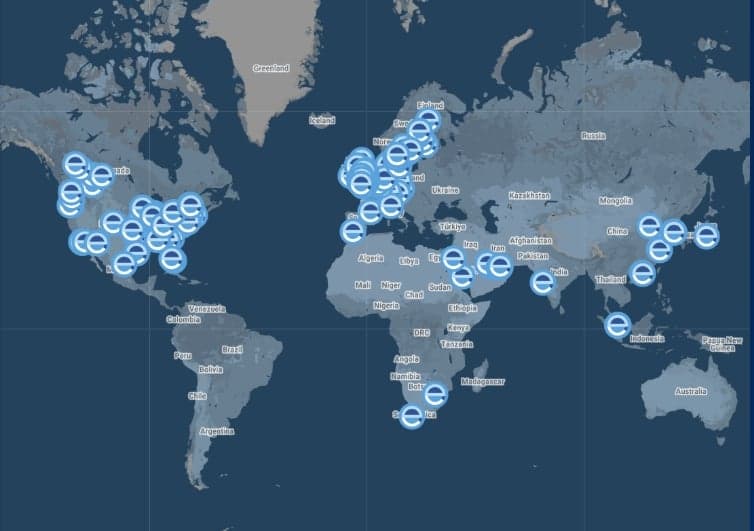
Explore our global network of labs and find your nearest location
VIEW ALL LOCATIONSRelated services

ASTM F519 Hydrogen Embrittlement (HE) Testing Services
Element's ASTM F519 hydrogen embrittlement testing evaluates material performance under tensile stress, identifying vulnerabilities in high-strength steels and alloys to prevent failures in aerospace, automotive, and energy applications.
Corrosion Testing Services
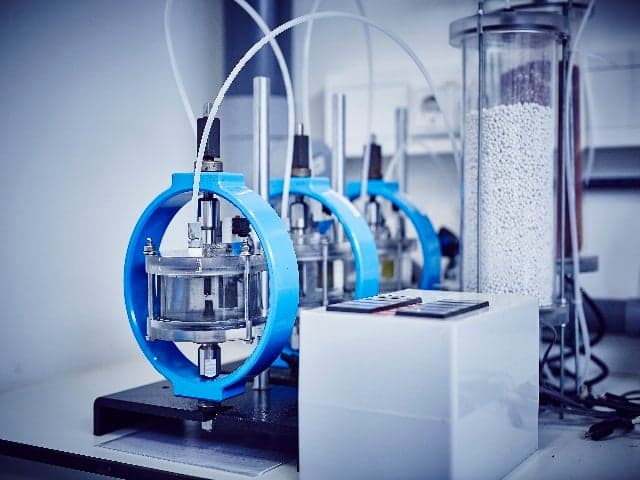
Learn about our range of ISO/IEC 17025-accredited corrosion testing services. Safeguard your assets, ensure reliability, qualify welds, assess materials and enhance safety.
Stress Corrosion Cracking (SCC) Testing
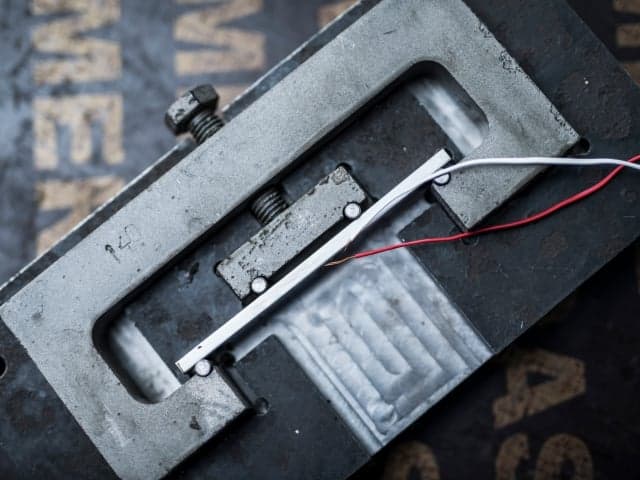
Element's stress corrosion cracking testing identifies material vulnerabilities early, preventing sudden failures. Our specialized analysis replicates real-world conditions to enhance reliability, safety, and compliance across critical industries. Learn More.