
Disinfectant Efficacy Testing Services
Need EPA-compliant disinfectant efficacy testing that withstands regulatory scrutiny? Partner with Element's 30-year industry-leading antimicrobial testing experts for comprehensive testing capabilities, defendable registration data, and end-to-end regulatory navigation – all delivered through consultative partnership that spans from method selection through product registration and ongoing technical support.
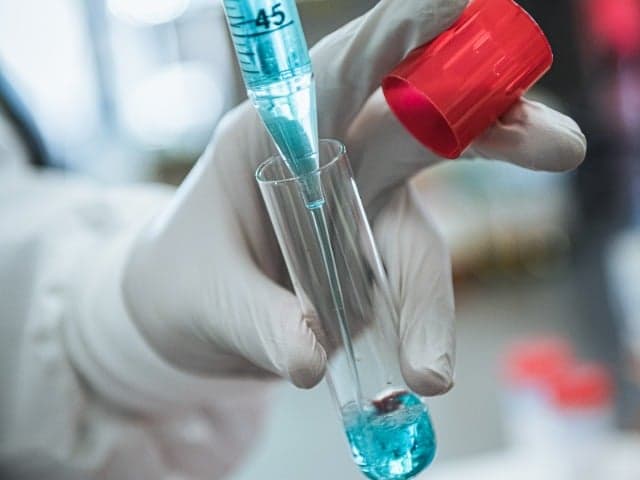
What is disinfectant efficacy testing at Element?
Disinfectant efficacy testing verifies that products effectively reduce, destroy, or inactivate specific microorganisms. At Element, we provide comprehensive testing and regulatory support for manufacturers and developers of chemical disinfectants and sanitizers, helping you demonstrate your product's antimicrobial performance against bacteria, fungi, yeasts, viruses, bacteriophages, and bacterial spores to meet EPA requirements.
What can Element offer you for disinfectant efficacy testing services?
Key Tests Offered
Key Tests Offered
Element offers complete bactericidal, fungicidal, sporicidal, virucidal, bacteriophage, and tuberculocidal testing services. Our capabilities include specialized biofilm testing, MIC/MBC determination, and antimicrobial preservative effectiveness testing – all designed to support your specific product claims and regulatory requirements.
Bactericidal and Fungicidal Testing
- AOAC Method 961.02 Germicidal Spray Method
- ASTM E2362/AOAC Method 961.02 (Modification) Pre-saturated Towelettes Test
- AOAC Use Dilution Test for Liquid Disinfectant (Methods 964.02, 955.14, 955.15)
- AOAC Method 965.13 Disinfectant (Water) for Swimming Pools
- AOAC Method 955.16 Available Chlorine in Disinfectants
- Quantitative Disk Carrier Test (ASTM Method E2197 Modification)
- AOAC Method 955.17 Fungicidal Activity Method
- Mildew Fungistatic Test for Fabrics or Hard Surfaces
Laundry Testing
- ASTM E2274 & E2406 Laundry Disinfectant Evaluation
Electrostatic Sprayer Testing
- Wetness Determination Using Electrostatic Sprayers
- AOAC Germicidal Spray Method for Electrostatic Sprayers
Tuberculocidal Testing
- AOAC Method 965.12 Tuberculocidal Activity of Disinfectants
- Quantitative Tuberculocidal Suspension Method
Sporicidal Testing
- AOAC Method 966.04 Sporicidal Activity of Disinfectants
- Re-use Stress Testing and Evaluation of Disinfectants
Biofilm Testing
- Single Tube Method for Determining Disinfectant Efficacy Against Biofilms
MIC/MBC Testing
- Minimum Inhibitory & Bactericidal Concentration (MIC/MBC) Macrodilution Broth Method
- Minimum Inhibitory & Bactericidal Concentration (MIC/MBC) Microdilution Broth Method
- Minimum Inhibitory Concentration – Agar Dilution Method
Antimicrobial Preservatives - Effectiveness Testing
- Preservative System Efficacy Testing
Components and Materials We Test
Components and Materials We Test
We can test disinfectants and sanitizers across all application methods and surfaces. From hard surface disinfectants to soft surface sanitizers, our comprehensive testing capabilities cover liquid applications, sprays, towelettes, and specialized products like antimicrobial coatings and pool treatments.
Methods and Solutions Offered
Methods and Solutions Offered
Benefit from our expertise in standard and custom testing protocols, including AOAC and ASTM methodologies. We offer specialized solutions for complex requirements like re-use stress testing, biofilm efficacy testing, bacteriophage viral surrogates, and electrostatic sprayer evaluations to meet your unique product needs.
Bactericidal and Fungicidal Testing
- Germicidal Spray Method (AOAC 961.02) – Glass slides with bacteria/fungi are sprayed with disinfectant, incubated under controlled temperature conditions (35-37°C), and checked for surviving organisms.
- Pre-saturated Towelettes Test (ASTM E2362/AOAC 961.02) – Glass slides with bacteria/fungi are wiped with disinfectant towelettes, incubated, and checked for surviving organisms.
- Use Dilution Test (AOAC 964.02, 955.14, 955.15) – Stainless-steel cylinders with bacteria are immersed in liquid disinfectant, transferred to growth media after specified contact times, incubated, and checked for growth.
- Swimming Pool Disinfectant Test (AOAC 965.13) – Water sample with bacteria is treated with disinfectant and compared to a chlorine control.
- Available Chlorine in Disinfectants (AOAC 955.16) – Disinfectant is tested at different concentrations against bacteria and compared to chlorine controls.
- Quantitative Disk Carrier Test (ASTM E2197 Modification) – Stainless steel disks with bacteria are treated with disinfectant, incubated, and survival is measured.
- Fungicidal Activity Test (AOAC 955.17) – Fungal suspension is exposed to disinfectant for various times, incubated, and checked for growth.
- Mildew Fungistatic Test – Treated fabric/tile is exposed to mold spores and incubated in humidity; effectiveness is judged by mold growth.
Laundry Testing
- Laundry Disinfectant Test (ASTM E2274 & E2406) – Fabric swatches with bacteria are washed with disinfectant, and surviving bacteria in fabric/wash water are measured.
Electrostatic Sprayer Testing
- Wetness Determination – Surfaces sprayed with disinfectant are checked for wetness at different distances.
- Germicidal Spray Method for Electrostatic Sprayers – Bacteria dried on slides are sprayed with disinfectant, incubated, and checked for survivors.
Tuberculocidal Testing
- Tuberculocidal Activity (AOAC 965.12) – Bacteria on glass slides are treated with disinfectant, incubated, and checked for growth.
- Quantitative Tuberculocidal Suspension Test – Bacteria in solution are treated with disinfectant, and reduction is measured over time.
Sporicidal Testing
- Sporicidal Activity (AOAC 966.04) – Bacteria spores on surfaces are treated with disinfectant, incubated, and checked for growth.
- Re-use Stress Testing – Disinfectant is tested for long-term effectiveness under repeated use with contaminated surfaces.
Biofilm Testing
- Single Tube Biofilm Test – Specially cultivated biofilms of Pseudomonas aeruginosa or Staphylococcus aureus on glass coupons are treated with disinfectant, incubated, and bacterial reduction is measured.
MIC/MBC Testing
- Macrodilution Broth MIC/MBC Test – Bacteria are exposed to disinfectant in test tubes at different concentrations, incubated, and checked for growth.
- Microdilution Broth MIC/MBC Test – Similar to macrodilution but performed in microtiter plates.
- Agar Dilution MIC Test – Bacteria are grown on agar containing disinfectant, and the lowest effective concentration is determined.
Antimicrobial Preservatives - Effectiveness Testing
- Preservative Efficacy Test – Microorganisms are added to a product, incubated under realistic conditions, and checked for survival over time.
Virucidal Testing
- ASTM E1052 Virucidal Testing - Viral suspensions are treated with disinfectant for specified contact times, and viral inactivation is determined.
- Bacteriophage Testing - Bacteriophage surrogates (non-pathogenic viral alternatives) are used to evaluate disinfectant efficacy against viral pathogens.
Cutting-Edge Equipment Used
Cutting-Edge Equipment Used
- Electrostatic sprayer testing equipment
- Specialized biofilm cultivation systems
- Simulated laundry apparatus
- Specialized carrier testing equipment
- Viral culture and detection systems
Which Labs Offer This Service
Which Labs Offer This Service
Element Eagan is the premier contract antimicrobial testing laboratory and expert partner to the developers, manufacturers and users of antimicrobial pesticide and biocide products. We have more than 30 years of experience generating GLP-compliant data.
Standards we test to and products we test
Disinfectants and Sanitizers:
- Liquid disinfectants (mop/soak applications)
- Trigger/pump sprays
- Aerosol sprays
- Pre-saturated towelettes
- Swimming pool disinfectants
- Laundry disinfectants
- Antimicrobial coatings
- Electrostatic spray products
Your Challenges, Our Solutions
Complex Regulatory Requirements
Variety Of Methods Available
Technical Testing Complexity
Product Registration Support
Why Choose Element

Trusted Industry Leader
Comprehensive Testing Partner
Regulatory Navigation Experts
Data Defense Commitment
Frequently asked questions
What types of biofilm testing do you offer?
We provide Single Tube Method testing for determining disinfectant efficacy against bacterial biofilm (Pseudomonas Aeruginosa and Staphylococcus Aureus), with specialized equipment mimicking real-world conditions.
How long do re-use stress tests take?
Re-use stress testing typically runs up to 28 days to simulate actual product use in clinical settings.
What organisms do you typically test against?
Standard testing includes Staphylococcus aureus, Salmonella enterica, Pseudomonas aeruginosa. We also test against additional pathogens relevant to clinical, occupational, or household environments, including specific fungi and viruses for specialized claims.
What performance criteria are required for biofilm claims?
For biofilm claims, products must demonstrate a 6 Log₁₀ reduction according to current draft guidance published in U.S. EPA BEAD SOPs (MB-19 and MB-20).
Can you help with bacteriophage testing as viral surrogates?
Yes, we offer bacteriophage testing as a non-pathogenic alternative for evaluating disinfectant efficacy against viral pathogens, which can be particularly valuable for formulation development before conducting more expensive viral testing.
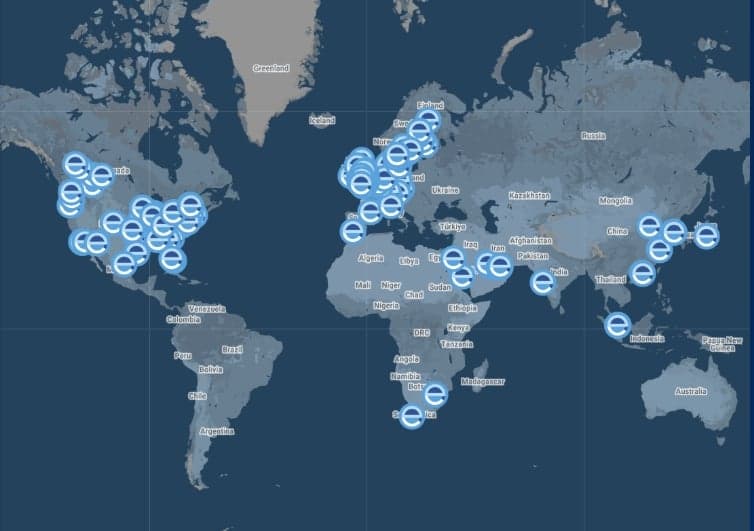
Explore our global network of labs and find your nearest location
VIEW ALL LOCATIONSRelated services
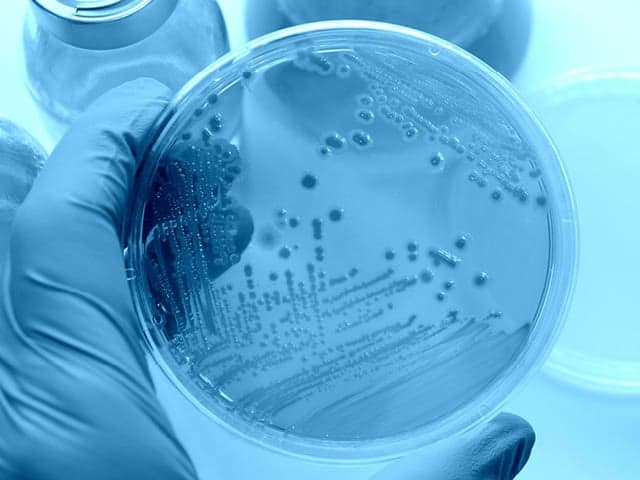
Antimicrobial Testing Services
Accelerate antimicrobial product approval with GLP-compliant testing for EPA, FDA, TGA & more. Element delivers trusted efficacy data to meet global regulations & prove effectiveness against emerging pathogens. Learn More.
Virology Testing
Element delivers GLP-compliant virology testing for antimicrobial products, helping companies meet global regulations, validate claims, and accelerate time to market with expert-led, reliable data.
Antimicrobial Microbiology Testing Services
Element's knowledgeable microbiologists can test to multiple established methods, as well as developing custom protocols.