
Testing of Porous Structure and Porous Coatings for Medical Devices
Accelerate your implant development with FDA-compliant porous structure and coating testing. From mechanical integrity to metallurgical analysis using advanced digital imaging and multiple validated methodologies, we deliver comprehensive data for dental and orthopedic implants. Our specialized testing against various materials and expert consultation ensure successful commercialization, backed by standardized protocols and industry expertise.
What is Porous Structure and Coating Testing at Element?
Porous structure and coating testing verifies the mechanical and metallurgical properties of medical device surfaces designed for biological fixation. At Element, we provide specialized testing for both traditional coatings and newer integrated porous structures, evaluating everything from resorbable blast media (RBM) to direct metal laser sintering (DMLS). Our capabilities extend to testing actual implants as well as standardized test specimens, adapting our protocols to match your specific regulatory and development needs.
What Can Element Offer You For Porous Structure and Coating Testing?
Components we test
Components we test
Element's testing capabilities comprehensively evaluate medical implant surfaces, from traditional porous coatings to integrated structures. We specialize in testing resorbable blast media (RBM), titanium plasma spray (TPA), hydroxyapatite (HA) coatings, and advanced manufacturing methods including electron beam melting (EBM) and direct metal laser sintering (DMLS), providing validation for optimal biological fixation performance.
Key tests offered
Key tests offered
We deliver advanced mechanical testing through multiple validated methods for complete performance verification. Each test can be adapted for actual implants or standardized specimens, providing comprehensive validation. Our testing capabilities include:
- Shear testing (static and dynamic) to ASTM F1044 & F1160 standards using metallic cylinders (0.75" diameter, 1-1.25" length) with porous coating on one side
- Tensile testing following ASTM F1147 using disc-shaped samples (1" diameter) bonded between two fixtures
- Abrasion resistance testing (ASTM F1978) using Taber abrasion methods where a circular sample repeatedly contacts an abrasive wheel
- Rotating beam fatigue analysis (ASTM F1160) using hourglass-shaped coated rods loaded about the long axis
- Coefficient of friction testing against bone analogs and tissue samples measuring both static and dynamic frictional forces
Methods and solutions offered
Methods and solutions offered
Our metallurgical analysis provides comprehensive coating evaluation using advanced techniques. We conduct detailed assessments of coating thickness, surface roughness characteristics, volume percent void measurements, and thorough pore morphology examinations. Our stereological evaluation methods not only align with ASTM F1854 standards but also provide crucial information on coating type and microstructure, delivering complete coating characterization for your regulatory and development needs.
Shear Testing (ASTM F1044 & ASTM F1160):
A metallic cylinder (0.75” diameter, 1–1.25” length) with a porous coating on one side is attached to an uncoated specimen. The sample is loaded in shear until failure (static) or to a set cycle count (dynamic).
Tensile Testing (ASTM F1147):
A disc-shaped sample (1” diameter) with one coated and one uncoated side is bonded between two fixtures. The sample is pulled under tensile load until the components separate.
Abrasion Testing (ASTM F1978):
Commonly performed using Taber abrasion, this test assesses porous structure integrity by repeatedly contacting a circular sample with an abrasive wheel. Results help compare coating types or meet regulatory agency acceptance criteria.
Rotating Beam Fatigue (ASTM F1160):
An hourglass-shaped, coated rod is loaded about its long axis to assess the properties of the porous coating under stress, with the surface material experiencing the most stress during testing.
Coefficient of Friction:
We measure static and dynamic frictional forces between porous structures and materials like polyurethane bone analogs, animal tissue, or human donor tissue. Static resistance measures the force needed to initiate motion, while dynamic resistance measures the force needed to maintain motion. Testing follows internal procedures or can be customized to meet your specific protocols.
Cutting-edge equipment we use
Cutting-edge equipment we use
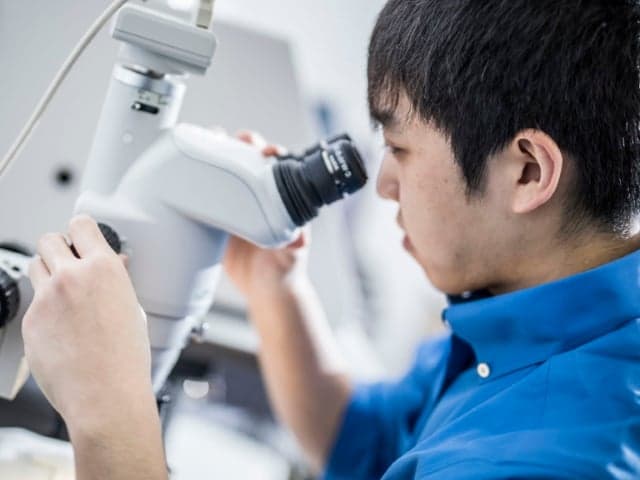
- Stereomicroscope – capable of evaluating specimens from 5X - 50X
- Metallographic microscope – capable of evaluating specimens from 50X - 1000X
- Digital microphotography – capable of evaluating specimens from 5X-2500X
- Digital image analysis software with custom programming for fast and efficient analysis
- Specimen mounting and polishing equipment for precise sample preparation
- Microetching capability with a variety of chemical etchants
- Low-speed diamond saws for precise, low-stress, low-heat sectioning
- SEM services available for higher magnification analysis
Which labs offer this service
Which labs offer this service
Our team operates from Life Sciences hubs across the world, providing global access to our expert capabilities. Find your nearest Life Sciences hub on our Locations Page.
Specialized porous coating analysis
Standards we test to and components we test
- ASTM F1044
- ASTM F1147
- ASTM F1160
- ASTM F1854
- ASTM F1978
- ASTM D1894
- Dental implants with porous coatings
- Orthopedic surgical implants
- Titanium plasma spray (TPA) coatings
- Hydroxyapatite (HA) coatings
- Electron beam melting (EBM) structures
Your Challenges, Our Solutions
Regulatory success through validated testing
Quality assurance delivering confidence
Supplier excellence through verification
Innovation powered by precise analysis
Why Choose Element

Complete testing solution
Advanced analysis capabilities
Comprehensive test methods
Global expert network
Related services
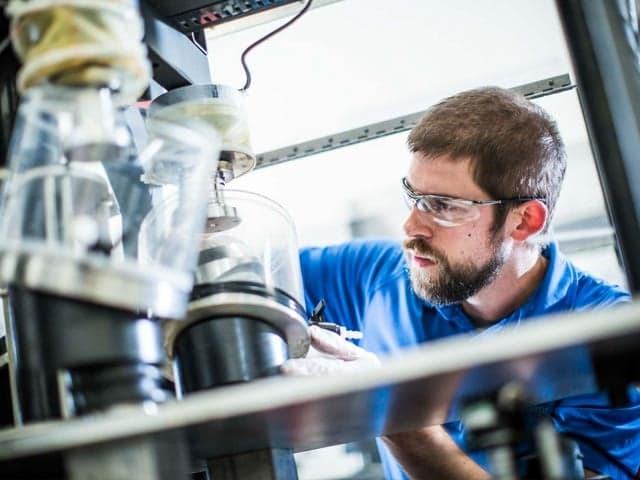
Medical Device Testing Services
With Element as your medical device testing partner, you’ll enjoy the benefit of a single comprehensive supplier across feasibility, R&D and prototype trials, through product development, regulatory validation and production quality control.
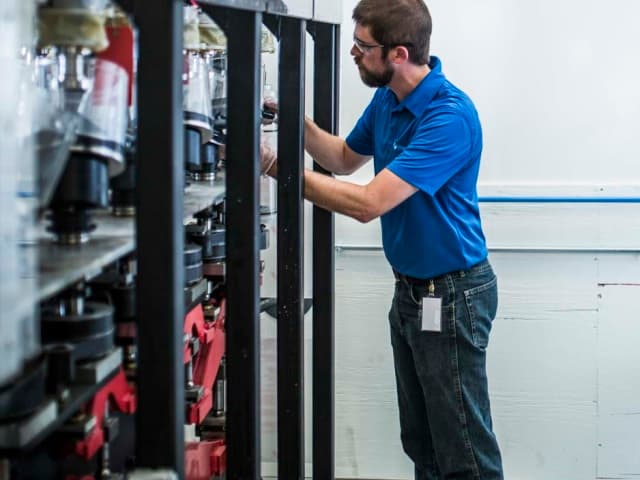
Orthopedic Device Testing Services
Accelerate orthopedic device development with Element's comprehensive testing services. From hip to spinal implants, we ensure regulatory compliance while reducing time-to-market. Expert support at every stage—prototype to commercialization.
Surface and Coatings Testing Services
Optimize durability & compliance with Element’s Surface & Coatings Testing Services. Fast, accredited testing with expert insights to enhance product performance