
Why Automotive Components Still Corrode After Passing Validation Tests
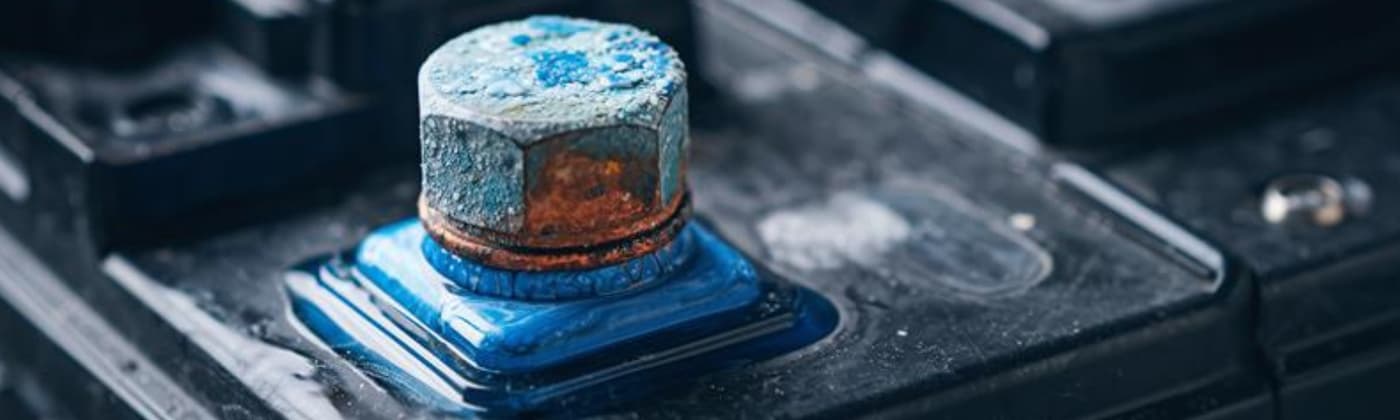
In this on-demand webinar, Element corrosion expert John Mazaros explains why automotive components corrode despite passing lab tests, walks through three real-world case studies, and shares practical guidance for OEMs and suppliers on building more effective corrosion validation programs.
Why are Automotive Corrosion Failures Harder to Prevent Than You Think?
- Understand why corrosion failures still occur even when materials and coatings meet specification, and what your corrosion testing programs may be missing.
- Learn which locations on automotive components carry the highest corrosion risk, including fastener interfaces, joints, welds, and coated edges.
- See how Element's failure analysis workflow moves from visual inspection through to accelerated lab replication.
- Review three case studies where the root cause turned out to be different from the initial assumption.
- Take away specific testing strategies you can apply to interfaces and joints in your next validation programs.
Key Topics Covered
- Why corrosion failures occur even when materials and coatings meet specifications
- The most common corrosion failure modes in automotive components
- High-risk design locations where corrosion typically initiates
- How to structure a corrosion-driven failure investigation
- What corrosion testing can and cannot tell you about service life
- Three real-world case studies with root cause findings and design outcomes
- Practical testing strategies for OEMs and suppliers
This webinar examines why corrosion failures remain one of the top durability risks in automotive engineering, even after extensive corrosion testing. Presented by Jon Meszaros, who oversees the corrosion department at Element, the session covers the most common failure modes encountered in the lab: galvanic corrosion at dissimilar material interfaces, crevice corrosion at joints and seams, under-film coating failures, and electrical resistance changes in electronic assemblies.
Meszaros outlines Element's failure analysis workflow, which begins with visual and macroscopic examination and progresses through accelerated corrosion exposure, metallurgical analysis, surface and coatings characterisation, and mechanical testing, including pre-test fatigue loading and gravel bombardment to simulate real-world conditions.
The webinar also addresses a point that catches many programs out: salt spray testing and other accelerated methods are effective at comparing materials and validating design changes, but they cannot reliably predict service life. Three case studies illustrate how shifting focus from compliance testing to real-world scenario simulation and involving failure analysis teams earlier in development leads to faster root cause identification and more durable outcomes.
By Engaged Expert

Related Industries
Related Services
Corrosion Testing Services
Learn about our range of ISO/IEC 17025-accredited corrosion testing services. Safeguard your assets, ensure reliability, qualify welds, assess materials and enhance safety.

Failure Analysis Services
Need expert Failure Analysis Services? Identify root causes fast with Element's advanced testing, global reach, and rapid turnaround. Get expert insights today.

Salt Spray Testing
Ensure corrosion resistance with Element’s salt spray (salt fog) testing. Get accurate, reliable results and customized conditions for your specific needs. Learn more now!

Mechanical Testing Services
Element provides fast, precise mechanical testing services for metals, polymers, and composites, helping industries meet compliance standards and optimize material performance with expert-driven assessments.