
Spinal Implants Testing Services
Need to ensure your spinal implants are safe, durable and market-ready? Partner with Element for comprehensive spinal implants testing that addresses all your regulatory and safety requirements. Our expert testing services cover both fusion and non-fusion devices, helping you mitigate risks and bring innovative spinal devices to market with confidence.
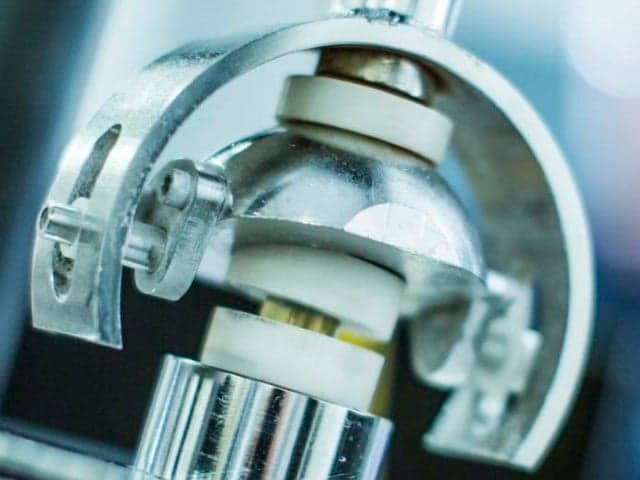
What is Spinal Implants Testing at Element?
Spinal implants testing evaluates the mechanical properties and durability of spinal medical devices under various loading conditions. Since implants experience a variety of forces within the human body, ensuring their durability is critical for patient well-being. At Element, we provide comprehensive testing for both fusion and non-fusion spinal devices, ensuring they meet safety requirements and regulatory standards through static, dynamic, and fatigue testing across multiple loading modes.
What can Element offer you for Spinal Implants Testing Services?

Components and materials we test
Components and materials we test
At Element we test the full spectrum of spinal implant devices, from traditional fusion devices used to treat fractures, disc compression, and deformities to cutting-edge expandable cages and hybrid systems. Our testing capabilities cover both standard components and innovative designs using additive manufacturing technology. Non-fusion devices we test are specifically designed to maintain spine mobility when relieving pressure.
Key tests offered
Key tests offered
Our comprehensive testing program includes static and dynamic testing across multiple loading modes: axial, torsional, shear, flexion/extension, bending, lateral bending, and axial rotation. We perform specialized testing for subsidence evaluation and wear analysis.
Spinal Cage Testing
- Static and Dynamic Testing (ASTM F2077)
- Load Induced Subsidence Testing (ASTM F2267)
Spinal Construct Testing
- Spinal Implant Constructs in a Vertebrectomy Model (ASTM F1717)
- Occipital-Cervical and Occipital-Cervical-Thoracic Constructs (ASTM F2706)
- Subassemblies Used in Spinal Arthrodesis Implants (ASTM F1798)
Methods and solutions offered
Methods and solutions offered
We provide precise test setups using custom-manufactured test pucks that exactly match your device profiles. Our in-vitro testing includes saline solution environments for SEM evaluation and mass-loss analysis to characterize wear rates.
Spinal Cage Testing Methods:
-
Static and Dynamic Testing (ASTM F2077)
This method tests mechanical properties of spinal cages, including static and dynamic compression, torsion, and shear. Test pucks are made to mimic the device profile, then subjected to static or dynamic testing. The dynamic testing is done in saline solution to evaluate wear and particulate generation. Mass-loss evaluation tracks wear rates.
-
Load Induced Subsidence Testing (ASTM F2267)
This test measures the likelihood of spinal cage subsidence under compressive forces. The device is placed between polyurethane test blocks and loaded until failure is achieved, evaluating its durability.
Spinal Construct Testing Methods:
-
Spinal Implant Constructs in a Vertebrectomy Model (ASTM F1717)
This test evaluates static and dynamic performance of spinal implant constructs. Plates or pedicle screw systems are loaded in compression, torsion, and tension. Dynamic compression testing requires a dynamic compression curve consisting of multiple failures and at least two run-outs to 5 million cycles under a constant axial load, ensuring device reliability under stress.
-
Occipital-Cervical and Occipital-Cervical-Thoracic Constructs (ASTM F2706)
Additional static and fatigue testing for occipital-cervical and occipital-cervical-thoracic spinal constructs, providing further evaluation for these specialized devices.
-
Subassemblies Used in Spinal Arthrodesis Implants (ASTM F1798)
This test assesses the fatigue strength and loosening resistance of subassemblies used in spinal implants, such as rods, hooks, and screws. Testing includes static A-P load (Fx), transverse load (Fy), axial gripping capacity (Fz), transverse moment (My), and axial torque (Fz)to ensure durability and functionality.
Which labs offer this service
Which labs offer this service
Our team operates from Life Sciences hubs across the world, providing global access to our expert capabilities. Find your nearest Life Sciences hub on our Locations Page.
Specialized Testing for Advanced Designs
Specialized Testing for Advanced Designs
We offer unique testing capabilities for hybrid and standalone devices that combine cage and screw systems. Our expertise extends to testing additively manufactured spinal implants, including both design and material qualification requirements. When testing dynamically, we conduct in-vitro testing using saline solution, enabling detailed SEM evaluation of particulate generation and comprehensive mass-loss analysis to characterize wear rates during testing.
Standards we test to and products we test
American Society for Testing and Materials:
- ASTM F1717
- ASTM F1798
- ASTM F2077
- ASTM F2267
- ASTM F2706
- ASTM F2193
- ASTM F2624
International Standards Organization
- ISO 18192
- ISO 12189
Fusion Devices:
- Interbody fusion devices (IBFDs)
- Cervical and Lumbar cages
- Expandable cages
- Vertebral Body Replacements (VBRs)
- Plate systems
- Rod and screw systems
- Hybrid and Standalone systems
Non-Fusion Devices:
- Artificial disc replacements
- Interspinous implants
Your Challenges, Our Solutions
Safety and Risk Management
Complex Regulatory Requirements
Multiple Testing Requirements
Development Validation Needs
Why Choose Element

Complete Testing Solution
Comprehensive Capabilities
Innovation Leaders
Global Expert Network
7ASTM Standards
2ISO Standards
8,500+Engaged Experts
Related services
Medical Device Testing Services
With Element as your medical device testing partner, you’ll enjoy the benefit of a single comprehensive supplier across feasibility, R&D and prototype trials, through product development, regulatory validation and production quality control.

Medical Device Regulatory Services
Element offers expert medical device regulatory consulting, guiding you through design, risk analysis, and FDA submissions for efficient product approval.
Medical Device EMC Testing
Element provides EMC testing and certification for Class I-III medical devices, helping manufacturers meet global regulatory standards and accelerate market entry with expert guidance and accredited laboratories.
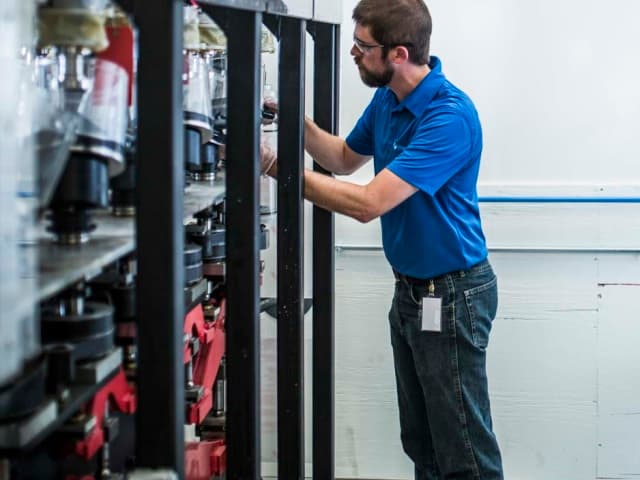
Orthopedic Device Testing Services
Accelerate orthopedic device development with Element's comprehensive testing services. From hip to spinal implants, we ensure regulatory compliance while reducing time-to-market. Expert support at every stage—prototype to commercialization.
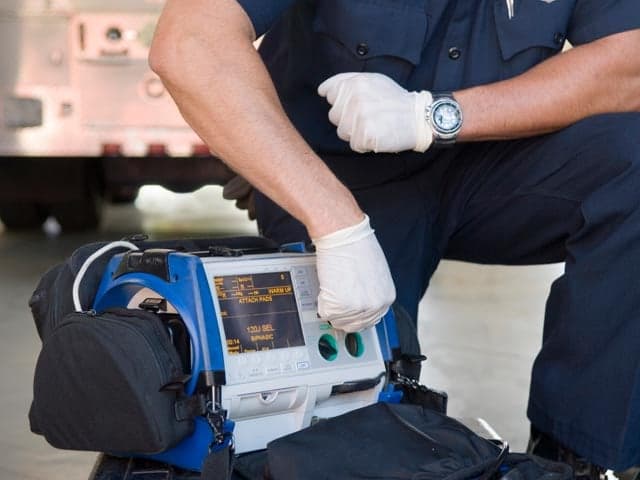
Battery Safety Testing for Medical Devices
Battery safety testing for medical devices, assessing performance, reliability, and compliance with international standards to support safe use in healthcare settings.

Foot, Ankle, and Shoulder Replacement Implant Testing
Element offers expert foot, ankle, and shoulder implant testing, covering fatigue, wear, and constraint analysis to support orthopedic device development and regulatory submissions.
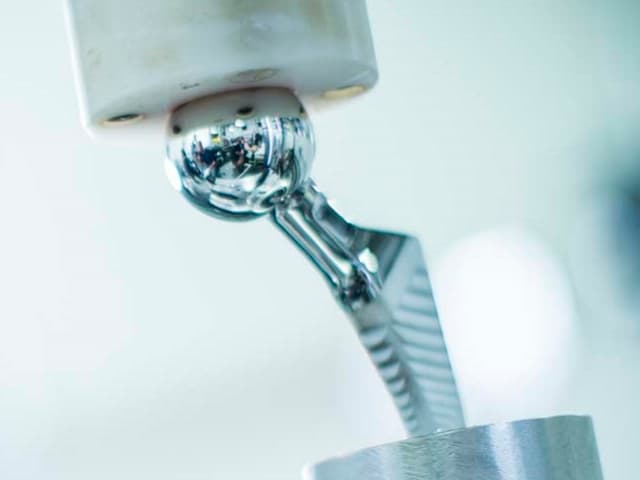
Hip Joint Prosthesis Testing
Element provides ISO 7206-compliant hip joint prosthesis testing, assessing endurance, fatigue, and compression to support safe, high-performing medical devices worldwide.
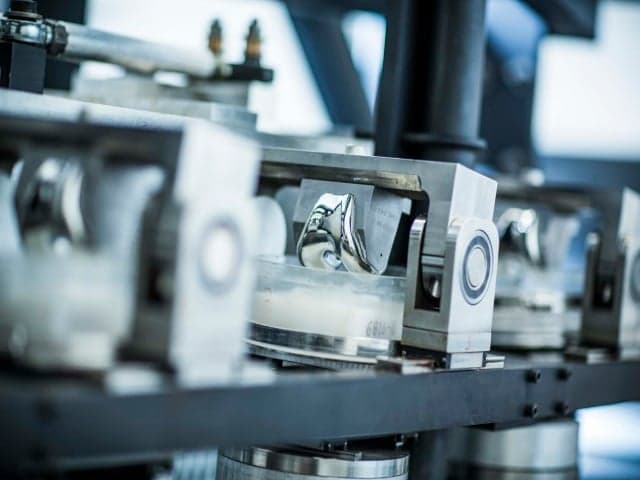
Knee Implant Testing
Element offers expert knee implant testing, including fatigue, wear, and constraint analysis, to support device design, feasibility studies, and regulatory compliance.
Fatigue Testing Services
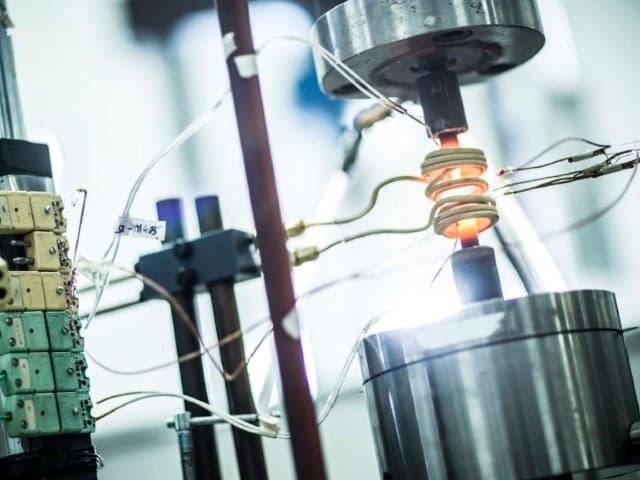
Element's fatigue testing services analyze material durability under cyclic loads, providing insights into fatigue failure, fatigue life, and performance under real-world conditions.
Accelerated Aging Shelf Life Testing Services
Accelerated aging and shelf life testing predict product durability, reduce risk, and meet industry standards, providing data-driven insights for medical, packaging, and food sectors.
- Medical Device Testing Services
- Medical Device Regulatory Services
- Medical Device EMC Testing
- Orthopedic Device Testing Services
- Battery Safety Testing for Medical Devices
- Foot, Ankle, and Shoulder Replacement Implant Testing
- Hip Joint Prosthesis Testing
- Knee Implant Testing
- Fatigue Testing Services
- Accelerated Aging Shelf Life Testing Services
Frequently asked questions
How do you test for device subsidence?
We perform load-induced subsidence testing following ASTM F2267, where the sample is placed between Polyurethane test blocks and loaded until failure to determine the likelihood of spinal cage subsidence under compressive forces.