
Hip Joint Prosthesis Testing
Bring your hip joint prostheses to market with confidence through comprehensive ISO 7206 testing. Our specialized testing validates your product's durability and safety while measuring fatigue, compression, torsion, and bending performance over extended periods. Get expert support for both partial and total hip joint prostheses.
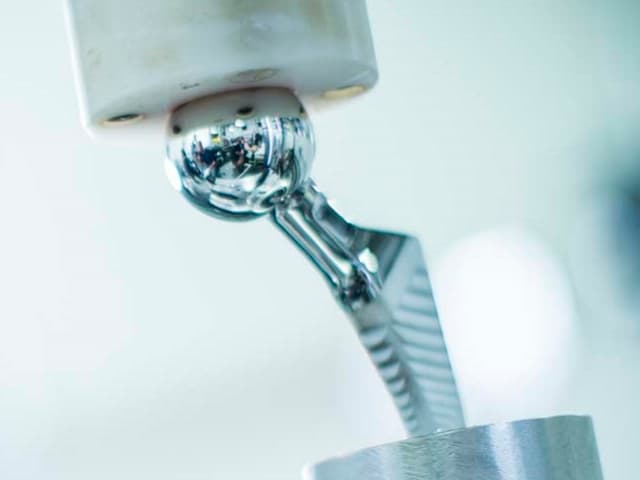
What is ISO 7206: Hip Joint Prosthesis Testing at Element?
Hip joint prosthesis testing measures how implants withstand fatigue, compression, torsion, and bending over extended periods. At Element, we provide testing services for partial and total hip joint prostheses according to ISO 7206 specifications, validating product safety and durability through extensive cycle testing.
What Can Element Offer You For Hip Joint Prosthesis Testing?

Components and products we test
Components and products we test
At Element we test partial and total hip joint prostheses, including stems, heads, and acetabular cups. Our orthopedic device experts specialize in evaluating the endurance properties of hip joint replacements through specialized protocols for each component type. Our expertise covers both standard and custom testing requirements for all prosthesis configurations and designs.
Key tests offered
Key tests offered
Our core tests include hip stem fatigue testing (ISO 7206-4), femoral neck fatigue testing (ISO 7206-6), and femoral head compression testing (ISO 7206-10).
Additional tests:
- Modular connection testing
- Component interlock strength
- Assembly & disassembly force
- Fretting corrosion testing
- Axial push-in/out
- Acetabular cup fatigue
- Polymer characterization
- Porous coating testing
- Cytotoxicity testing
- Impingement testing
- Microbiological testing
- Range of motion
- Wear testing
- Failure analysis
Methods and solutions offered
Methods and solutions offered
Our testing protocols provide precise measurements of fatigue resistance, compression strength, and long-term durability. We offer specialized testing including modular connection testing, component interlock strength assessment, assembly and disassembly force evaluation, fretting corrosion testing, and comprehensive wear analysis to support complete product validation.
We perform tests up to 10,000,000 cycles with specific load requirements including 2,300 N for stem fatigue and 5,340 N for femoral neck testing, meeting all industry specifications.
Hip Stem Fatigue Testing (ISO 7206-4):
This test applies axial load to an implant to simulate loosening of the hip stem. It combines compression, torsion, and bending stresses on the stem. Typically, the test runs for 5 million cycles at 2,300 N (517 lbs) to assess durability.
Femoral Neck Fatigue Testing (ISO 7206-6):
This test simulates loads experienced by a properly fixed implant during walking. Hip prostheses are tested for up to 10 million cycles at 5,340 N (1,200 lbs) to ensure they can withstand normal gait forces.
Femoral Head Compression Testing (ISO 7206-10):
This test applies static axial forces to determine the load at which the femoral head and neck assembly fail. It helps evaluate the prosthesis's ability to withstand in-use forces.
Which labs offer this service
Which labs offer this service
Our team operates from Life Sciences hubs across the world, providing global access to our expert capabilities. Find your nearest Life Sciences hub on our Locations Page.
Additional testing capabilities
Additional testing capabilities
We provide polymer characterization, porous coating testing, cytotoxicity testing, impingement testing, microbiological testing, range of motion analysis, and comprehensive wear testing to support your complete validation requirements.
Standards we test to and components we test
- American Association for Laboratory Accreditation
- ASTM International
ASTM F1440, ASTM F1612, ASTM F1714, ASTM F1814, ASTM F1820, ASTM F1875, ASTM F2009, ASTM F2582
- International Organization for Standardization
ISO 14242, ISO 7206-4, ISO 7206-6, ISO 7206-8, ISO 7206-10
Hip joint prostheses
- Total hip replacements
- Partial hip replacements
Component testing
- Femoral stems
- Femoral heads
- Acetabular cups
- Modular connections
Additional testing
- Polymer components
- Porous coatings
- Surface treatments
Your Challenges, Our Solutions
Complete compliance achievement
Proven performance validation
Streamlined testing process
Efficient development support
Why Choose Element

Global testing network
Complete testing solutions
Proven experience
Quality leadership
Related services
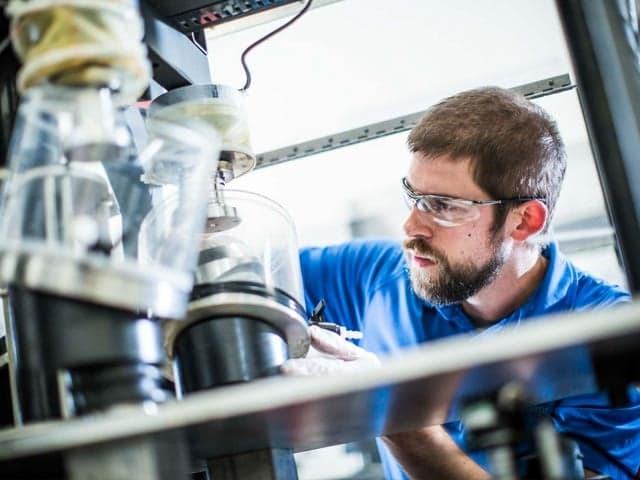
Medical Device Testing Services
With Element as your medical device testing partner, you’ll enjoy the benefit of a single comprehensive supplier across feasibility, R&D and prototype trials, through product development, regulatory validation and production quality control.
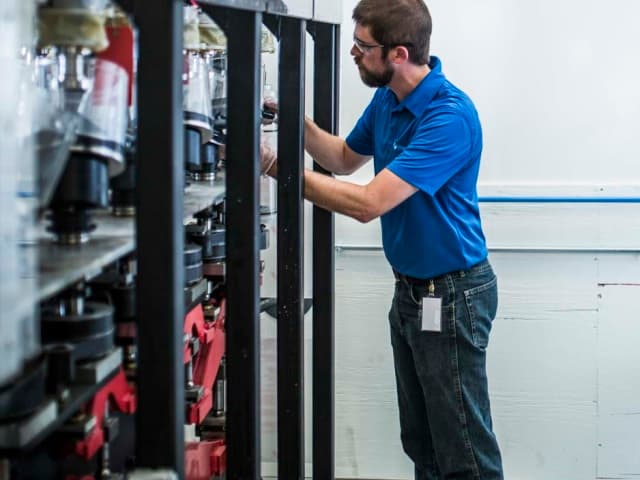
Orthopedic Device Testing Services
Accelerate orthopedic device development with Element's comprehensive testing services. From hip to spinal implants, we ensure regulatory compliance while reducing time-to-market. Expert support at every stage—prototype to commercialization.
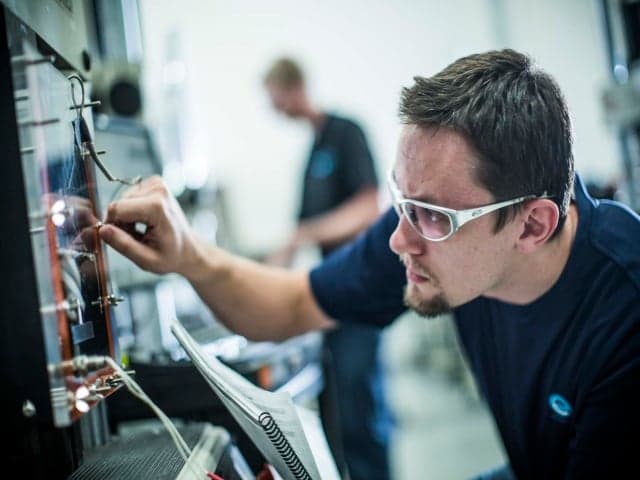
Bone Plate, Bone Screw, and Fixation Device Testing
Our testing service verifies the mechanical integrity of bone plates, screws, and fixation devices through ASTM-standard fatigue, bending, and torsion evaluations, providing critical data for regulatory compliance and trauma reliability.
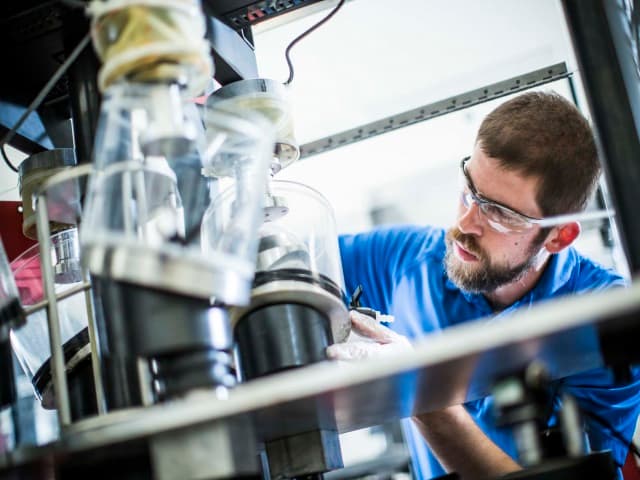
Foot, Ankle, and Shoulder Replacement Implant Testing
Element offers expert foot, ankle, and shoulder implant testing, covering fatigue, wear, and constraint analysis to support orthopedic device development and regulatory submissions.
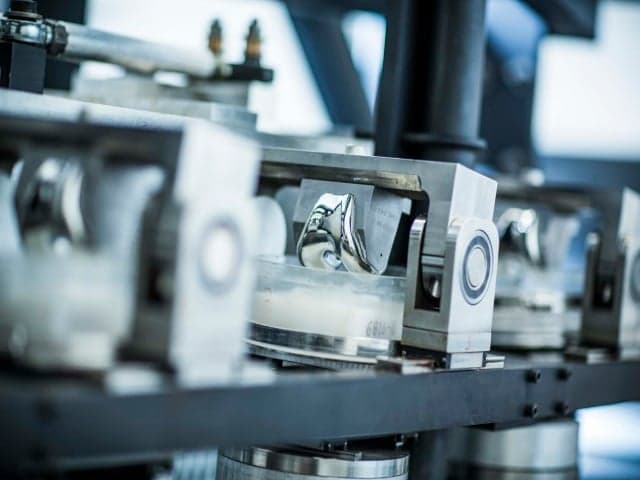
Knee Implant Testing
Element offers expert knee implant testing, including fatigue, wear, and constraint analysis, to support device design, feasibility studies, and regulatory compliance.

Testing of Porous Structure and Porous Coatings for Medical Devices
Element provides porous structure testing for medical devices, evaluating mechanical and metallurgical properties to support regulatory compliance, product development, and supplier validation.
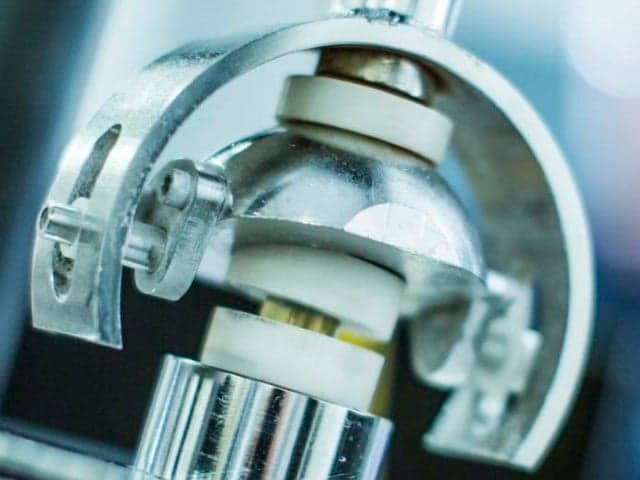
Spinal Implants Testing Services
Element's trusted medical device testing covers fusion and non-fusion spinal devices, as well as predicate components, to ensure their durability and lifespan in use.